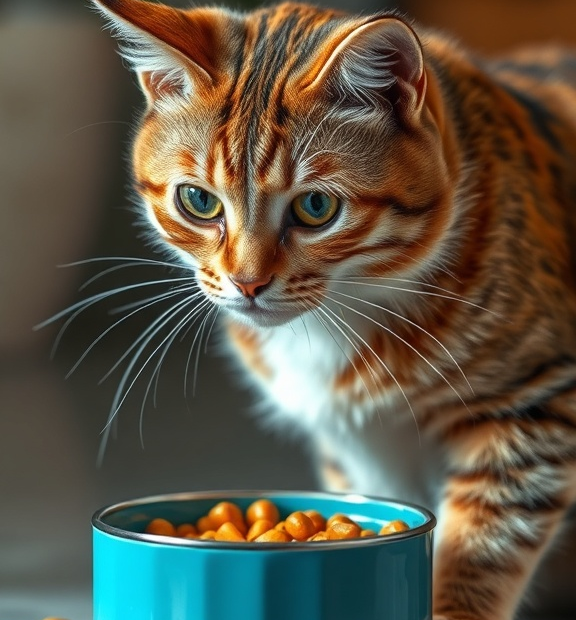
The Benefits of Urinary Wet Food for Cats: Promoting Hydration and Health
As a cat owner, you want the best for your furry friend. One way to support their health, particularly their urinary health, is by choosing urinary wet food for cats. This specialized diet can play a significant role in maintaining your cat’s overall well-being. Let’s explore the benefits of urinary wet food and how it can promote hydration and health in your feline companion.
One of the primary advantages of urinary wet food is its high moisture content. Cats are notoriously poor drinkers, and many may not consume enough water on their own. When you feed your cat wet food, you help ensure that they get the necessary hydration they need. It’s essential because proper hydration can aid in preventing urinary tract issues, such as crystals or stones, which are common among cats.
Another significant benefit is the reduction of urinary pH. Certain ingredients in urinary wet food are formulated to help maintain a healthy pH balance in your cat’s urine. This balance is crucial in preventing the formation of struvite crystals, which can cause discomfort and may lead to severe health issues. By regulating urinary pH, urinary wet food helps to keep your cat’s urinary tract healthy.
When selecting a urinary wet food, it’s essential to look for formulas rich in quality proteins. Cats are obligate carnivores, meaning they require protein to thrive. High-quality urinary wet food typically contains real meat as the primary ingredient. This not only nourishes your cat but also meets their natural dietary preferences. Here’s a simple list of components to look for in a quality urinary wet food:
- High-quality animal protein (like chicken, turkey, or fish)
- Low magnesium levels to help prevent urinary crystals
- Essential fatty acids for overall health
- Added fiber to promote a healthy digestive system
- Vitamins and minerals that support immune function
Switching to a urinary wet food can also be beneficial if your cat has a history of urinary tract problems. Many brands formulate their wet foods specifically to support urinary health, making them a smart choice for cats prone to such issues. Regularly feeding your cat these specialized diets can help manage their health and reduce the risk of recurring problems.
Another reason to consider urinary wet food for your cat is its palatability. Cats are often more attracted to the rich texture and flavor of wet food compared to dry kibble. If your cat is a picky eater, introducing a tasty urinary wet food might encourage better eating habits. You’ll find that a happy cat is generally a healthier cat!
It’s also important to note that feeding wet food can help manage your cat’s weight. Many wet foods have fewer calories than dry foods, making it easier to maintain a healthy weight. Proper weight management is vital in preventing conditions like diabetes and obesity, which can lead to urinary issues. Thus, incorporating urinary wet food not only supports hydration but also helps manage your cat’s overall caloric intake.
If you’re considering switching your cat to urinary wet food, it may take some time for them to adapt. Transition them gradually by mixing their current food with the new wet food. Start with small portions and gradually increase the amount of wet food over several days. This slow transition can help prevent digestive upset and encourage your cat to embrace the change.
Always consult your veterinarian before making significant changes to your cat’s diet. They can provide personalized recommendations based on your cat’s unique health needs. By working together with your vet, you can ensure you are making the best choices for your feline’s diet and overall health.
By choosing urinary wet food for cats, you’re not only promoting adequate hydration but also supporting their urinary health and well-being. With the right diet, your furry friend can thrive, and you can enjoy many happy years together. Remember, every small step you take in your cat’s diet can lead to significant health benefits.
Choosing the Right Urinary Wet Food: Ingredients to Look For and Avoid
When it comes to your feline friend’s health, the right diet plays a crucial role. For cats with urinary issues, choosing the right urinary wet food can make all the difference. Let’s explore the key ingredients to look for and those to avoid to ensure your cat stays healthy and happy.
Ingredients to Look For
Understanding the right components in urinary wet food helps you make informed choices. Here are some beneficial ingredients that support urinary health:
- High Moisture Content: Cats are naturally inclined to hydrate through food rather than drinking water. Choose wet food with high moisture levels to help prevent urinary tract issues.
- Quality Protein Sources: Look for protein derived from real meat, such as chicken or fish. This provides essential amino acids that are vital for your cat’s overall health and can help maintain a healthy weight.
- Lower Magnesium Levels: Foods with reduced magnesium levels assist in managing urinary health. This is particularly important for cats prone to developing crystals or stones that can block their urinary tract.
- Balanced pH Levels: Properly formulated urinary wet food will help maintain an optimal urinary pH level, ideally between 6.0 and 6.5. This balance can help minimize the chances of crystal formation.
- Added Nutrients: Ingredients like vitamins and minerals, especially Omega-3 fatty acids, can enhance bladder health and promote overall well-being.
Ingredients to Avoid
While it’s key to know what to include, be aware of certain ingredients that can be detrimental to urinary health:
- High Ash Content: Foods with high ash levels can contribute to urinary crystals. Always check the guarantees on the packaging.
- Low-Quality Fillers: Avoid wet foods that contain fillers like corn or soy, as they offer little nutritional value and can lead to weight gain.
- Artificial Preservatives: Stay clear of products with artificial flavors and preservatives, as these can upset your cat’s digestive system and overall health.
- Excessive Carbohydrates: Cats are obligate carnivores. Diets high in carbs can lead to obesity and other health issues that may indirectly impact urinary conditions.
Reading Nutrition Labels
Always take time to read nutrition labels carefully. Ingredients are listed in descending order by weight, so the first few listed are the most significant. This helps you evaluate whether the food aligns with your cat’s dietary needs. Look for high-quality proteins and ensure that water is among the top ingredients. This indicates that the food is hydrating and appropriate for urinary health.
Consulting with Your Veterinarian
Before making any dietary changes, it’s wise to consult your veterinarian. They can assess your cat’s health and recommend specific urinary wet food tailored to their age, weight, and health concerns. This expert advice can guide you through the myriad of options on the market.
Transitioning to New Food
Shifting your cat to a new urinary wet food should be done gradually. Start by mixing a small amount of the new food with your cat’s current diet. Over a week, gradually increase the new food’s proportion. This slow transition helps avoid stomach upsets and allows your feline to adjust to the new flavors and textures.
Observing Changes in Your Cat
Once you’ve introduced the urinary wet food, it’s important to keep an eye on your cat’s response. Look for signs of improvement in their health, such as regular urination and healthy litter box habits. If you notice any adverse reactions, such as vomiting or changes in appetite, consult your veterinarian immediately.
Choosing the right urinary wet food for your cat may seem daunting, but with a little knowledge and care, you’ll likely find a nutritious option that supports their well-being. By prioritizing quality ingredients and consulting with your vet, you can ensure that your feline friend maintains a happy and healthy urinary system.
Conclusion
Ensuring your feline friend has the right diet is crucial, and urinary wet food for cats can play a vital role in maintaining their overall health. By promoting hydration, these meals help prevent urinary tract issues that can be common in cats. When you choose high-quality urinary wet food, you’re actively supporting your cat’s health and happiness.
Selecting the right urinary wet food involves understanding which ingredients contribute to your cat’s needs. Look for options that include real meat as the main ingredient, hydration-promoting elements, and minimal fillers. Avoid foods with artificial colors, excessive grains, or unknown by-products, as these can negatively impact your cat’s well-being.
When making dietary changes, it’s important to monitor your cat’s response to the new food. Pay attention to their hydration levels, energy, and overall happiness. Each cat is unique, and what works for one may not work for another. Consulting with your veterinarian can provide additional guidance tailored specifically to your cat’s health needs.
Urinary wet food into your cat’s diet is more than just a feeding choice; it’s a commitment to their health. By prioritizing hydration and choosing the right ingredients, you can help your furry companion lead a healthier, more vibrant life. Ensure that every meal is a step toward better health and well-being for your beloved pet.