At-a-Glance
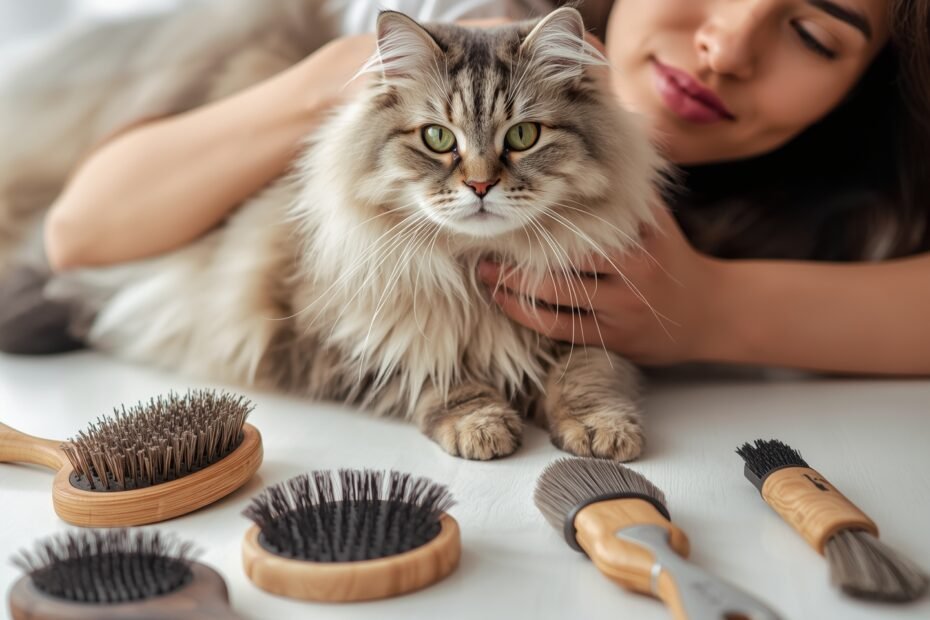
This guide is designed to help cat owners of long-haired breeds choose a suitable brush that may help maintain their cat’s coat health and appearance. Regular brushing can support reduced shedding, prevent matting, and promote a healthier coat.
How to Choose
- Size: Choose a brush size appropriate for your cat’s size to ensure comfort during grooming.
- Materials: Look for brushes with soft bristles or pins that are gentle on your cat’s skin to avoid irritation.
- Handle Comfort: Consider ergonomic handles for ease of use and a better grip.
- Design Features: Options with self-cleaning mechanisms can simplify the grooming process and maintain hygiene.
- Special Features: Some brushes may have additional features like detachable heads for easy cleaning.
- Senior/Ill Cat Considerations: For older or ill cats, choose a brush that requires minimal pressure to avoid discomfort.
Safety & Setup
- Comfortable Environment: Groom your cat in a quiet, comfortable area where they feel safe.
- Supervision: Always supervise grooming sessions to ensure your cat does not become stressed or uncomfortable.
- Check Equipment: Regularly inspect the brush for any loose pins or bristles that could harm your cat.
- Storage: Keep the brush dry and clean to maintain effectiveness and hygiene.
Core Pillars
- Nutrition: A balanced diet supports coat health.
- Hydration: Adequate water intake helps maintain skin and coat condition.
- Litter Hygiene: Regular litter box cleaning prevents stress and promotes well-being.
- Sleep: Ensure your cat has a quiet, comfortable place to rest.
- Stress Reduction: Minimize changes in the environment to keep your cat calm.
- Daily Play: Engage your cat in daily interactive play for physical and mental stimulation.
Placement & Environment Tips
- Draft-Free Areas: Set up grooming sessions in areas without drafts to ensure comfort.
- Quiet Retreats: Choose calm, quiet spaces for grooming to reduce stress.
- Vertical Spaces: Cats feel secure in elevated spots, so consider grooming them on a stable, elevated surface.
- Cozy Retreats: After grooming, provide a cozy place for your cat to relax.
FAQs
- Is brushing safe for kittens and senior cats? Yes, but use gentle, age-appropriate brushes and techniques.
- How often should I brush my long-haired cat? Aim for daily brushing to prevent matting and reduce shedding.
- How do I clean the brush? Follow the manufacturer’s instructions for cleaning, typically involving removing hair after each use and occasionally washing the brush.
What to Do Next
Consider the features and options discussed to find a brush that best suits your long-haired cat’s needs. Review available products to make an informed choice.
Disclaimer: This article is educational and not a substitute for professional veterinary advice. Always consult a veterinarian for your cat’s specific needs.