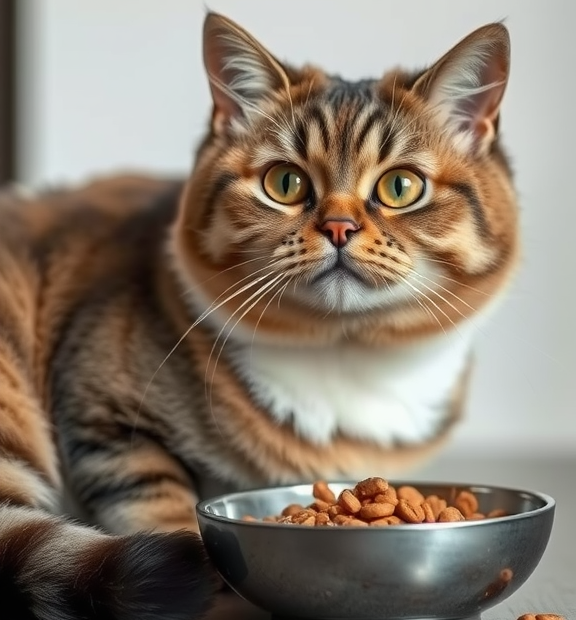
Recognizing and Managing Serious Eating Problems in Scottish Fold Cats
Spotting Signs of Eating Difficulties in Your Scottish Fold
Scottish Fold cats are known for their charming folded ears and sweet personalities, but sometimes they face serious eating challenges that need your attention. If you notice your cat suddenly losing interest in food or showing strange eating habits, it may be more than just a picky phase. Watch for signs like:
- Consistent refusal to eat or very little food intake
- Frequent vomiting or gagging after eating
- Visible weight loss or muscle wasting
- Excessive drooling or pawing at the mouth
- Reluctance to chew or difficulty swallowing
- Lethargy or unusual hiding behavior
These symptoms could indicate an underlying health problem or a serious cat eat problem that needs quick intervention. Recognizing these early is vital for your Scottish Fold to regain its strength and health safely.
Understanding Common Causes Behind Eating Problems
Serious eating problems in Scottish Fold cats may stem from various underlying causes. These are some common ones:
- Dental Issues: Scottish Folds sometimes encounter dental disease or tooth pain, making eating uncomfortable or painful.
- Gastrointestinal Disorders: Problems like inflammatory bowel disease or infections can reduce appetite or cause nausea.
- Stress or Anxiety: Changes in environment, new pets, or loud noises can stress your cat enough to stop eating temporarily.
- Underlying Illness: Conditions such as kidney disease, liver problems, or hyperthyroidism often reduce appetite.
- Food Preferences or Texture Sensitivity: Some cats develop aversions to certain foods or textures, impacting their eating habits.
Being aware of these causes helps you approach your cat’s eating problem with informed care and find the right solution.
Taking Gentle Steps to Encourage Eating
When your Scottish Fold faces a serious cat eat problem, the main goal is to help them eat gently and safely, without adding stress or discomfort. Here’s how you can encourage eating at home:
- Offer Warm, Soft Food: Warming wet cat food just slightly can make it more appealing and easier to chew.
- Small, Frequent Meals: Instead of one large meal, try offering small portions throughout the day to entice appetite.
- Hand Feeding: Some Scottish Folds respond well when you offer food by hand, creating comfort and trust.
- Create a Calm Feeding Area: Ensure your cat’s eating spot is quiet, away from loud noises or drafts, to reduce anxiety during meals.
- Maintain Clean Bowls: Regularly wash food and water dishes to keep them inviting and free of bacteria or odors.
Avoid forcing your cat to eat, as this can lead to stress or choking hazards. Instead, gently encourage and observe your cat’s reactions.
Knowing When to Seek Veterinary Help
Sometimes, despite your best efforts, a Scottish Fold with a serious eating problem needs professional assessment. Contact your veterinarian if:
- Your cat refuses food for more than 24 hours
- Signs such as vomiting, diarrhea, or lethargy worsen or continue
- You notice blood in vomit or stool
- There is noticeable weight loss or weakness
Veterinarians can perform a thorough exam, run tests, and identify underlying medical causes. They might suggest treatments including medication, special diets, or dental care to safely restore your cat’s eating habits.
Special Nutrition Tips for Scottish Fold Cats with Eating Challenges
If your Scottish Fold struggles with eating, the right nutrition supports recovery and wellbeing. Here are helpful pointers:
- Choose high-quality, easily digestible foods specially formulated for sensitive stomachs.
- Introduce new foods slowly to prevent upsetting your cat’s digestive system.
- Opt for wet food varieties that are gentler on the mouth and provide hydration.
- Consider supplements recommended by your vet to boost appetite or support digestion.
Always discuss any diet changes with your veterinarian to ensure they suit your cat’s specific health needs.
Maintaining a Loving and Supportive Environment
Beyond diet and treatment, your Scottish Fold thrives with emotional support during eating struggles. Spending quiet time with your feline friend, offering gentle petting, and speaking softly can reassure and reduce stress. Keeping a consistent routine helps your cat feel safe, further encouraging regular eating patterns.
By staying observant, responding with kindness, and consulting professionals when needed, you can help your Scottish Fold overcome serious eating problems gently and safely. Your patience and care play key roles in your cat’s journey back to a healthy appetite and happy life.
Creating a Safe and Comfortable Feeding Environment for Your Scottish Fold
Providing a safe and comfortable feeding area for your Scottish Fold plays a crucial role in maintaining its health and happiness. Cats, especially breeds like Scottish Folds with their unique ear shape and gentle nature, thrive best in environments free from stress and distractions during mealtime. Creating such a space involves understanding your cat’s specific needs and incorporating elements that promote calmness, safety, and ease of eating.
Choosing the Right Location
Pick a quiet spot in your home where your Scottish Fold can eat without interruptions or loud noises. Avoid areas near heavy foot traffic, noisy appliances, or places where other pets might cause disturbance. Cats are sensitive to their surroundings and prefer a peaceful atmosphere during feeding. A corner or a small room with limited access points can offer that perfect sense of security.
Selection of Bowls and Feeding Accessories
Material Matters
Use bowls made of safe materials such as ceramic or stainless steel. Plastic bowls may cause discomfort or allergic reactions in some cats and can harbor bacteria if scratched. Ceramic and stainless steel bowls are easier to clean and don’t retain odors, which is important for encouraging your Scottish Fold to eat regularly.
Size and Design
Choose shallow and wide bowls to accommodate your cat’s flat face and reduce stress on their delicate whiskers. Deep bowls can cause “whisker fatigue,” where the sensitive hairs get overstimulated by brushing against the bowl’s sides. Whisker fatigue may cause your cat to avoid eating or show reluctance during mealtime.
Maintaining Cleanliness
Clean feeding dishes daily to prevent bacteria build-up that could lead to digestive problems or illness. Rinse bowls thoroughly after each meal to remove leftover food particles and dry them properly. A clean feeding area provides a comfortable and inviting atmosphere for your Scottish Fold to eat.
Feeding Routine and Consistency
Establish a consistent feeding schedule. Feed your Scottish Fold at the same times every day to build a sense of security and routine. Cats are creatures of habit, and a predictable feeding plan lowers anxiety and helps prevent eating problems like refusal or overeating. If your cat shows signs of serious eating issues, a steady routine can be a cornerstone for recovery.
The Importance of Gentle Interaction During Feeding
During mealtime, avoid sudden movements or loud noises that may startle your Scottish Fold. Approach your cat calmly and encourage eating with soft verbal reassurances if necessary. Handling your cat gently around feeding times helps build trust and reduces any stress associated with mealtime, fostering a positive relationship with eating.
Consider the Food’s Texture and Temperature
Offer food at room temperature, as cold or very hot food can be off-putting or uncomfortable for your Scottish Fold. Wet food should be gently warmed if taken from the fridge, while dry food can be presented as is. Monitor your cat’s preferences since some Scottish Folds may have a picky appetite tied to texture and temperature, which impacts their willingness to eat.
Using Feeding Mats and Comfort Items
Place a soft, non-slip feeding mat under the feeding bowls. This keeps the area clean and prevents bowls from sliding, which can be unsettling for a sensitive cat. You might also consider adding a small blanket or cushioned spot nearby where your Scottish Fold can rest before or after eating, creating a cozy, nurturing environment around meal times.
Monitoring Health Signs During Feeding
Keep an eye on how your Scottish Fold eats. Notice any hesitation, difficulty chewing, or sudden disinterest in food as these could be signs of dental or health problems. Early detection of issues through careful observation during feeding can prompt quick veterinary care, which is vital for cats prone to eating disorders.
Creating a Feeding Environment for Cats with Special Needs
If your Scottish Fold suffers from a serious eating problem, make extra provisions tailored to their condition. This could involve:
- Offering smaller, more frequent meals to ease digestion and encourage eating.
- Using elevated feeding stations to reduce strain on neck and joints.
- Softening dry food with water or broth to make it easier to chew.
- Consulting with a veterinarian or animal nutritionist to develop a specialized diet plan.
Each measure should be applied gently to ensure your cat feels safe and supported, which significantly impacts their recovery and feeding behavior.
By thoughtfully arranging where and how your Scottish Fold eats, you can build an environment that nurtures healthy eating habits and emotional well-being. Remember, a calm, clean, and comfortable space goes a long way in making mealtime a positive experience for your beloved feline companion.
Conclusion
Helping a Scottish Fold with a serious eating problem requires your patience, care, and understanding. By recognizing the early signs of trouble—such as sudden refusal to eat, difficulty chewing, or unusual behavior around food—you can act promptly to get your cat the support it needs. Managing these problems gently ensures that your feline friend does not develop stress or anxiety linked to mealtime, which can make their condition worse.
Creating a safe and comfortable feeding environment plays a big role in encouraging your Scottish Fold to eat well. Using shallow bowls that accommodate their unique face shape, providing quiet and cozy feeding spots, and maintaining a consistent routine helps reduce any discomfort or distractions. This thoughtful approach supports your cat’s natural appetite and promotes healthier eating habits.
Remember, your Scottish Fold’s well-being depends on your attentive care. Through early recognition of their eating issues and by making mealtime a calm and welcoming experience, you are giving your beloved companion the best chance to recover and thrive. The journey might take time, but with love and gentle support, your Scottish Fold can overcome serious eating problems safely and happily.