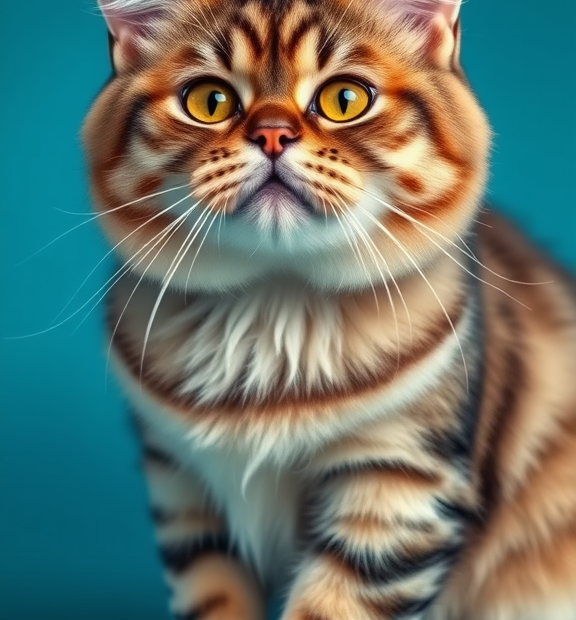
Understanding Cat Eat Problem in Scottish Folds and Why It Happens
Scottish Fold cats are beloved for their unique folded ears and charming personalities, but they can be prone to certain health issues that affect their eating habits. If your Scottish Fold suddenly shows disinterest in food or seems to have a cat eat problem, understanding why this happens is crucial for their well-being. Loss of appetite in these cats is not just about picky eating or mood swings; it often points to underlying health concerns or environmental factors that need immediate attention.
Why Do Scottish Folds Stop Eating Normally?
Several factors can cause a Scottish Fold to develop eating difficulties, ranging from physical discomfort to emotional stress. Recognizing these causes early helps pet owners provide effective care and prevent serious health complications.
Common Causes of Eating Problems in Scottish Folds
- Genetic Predispositions and Health Disorders: Scottish Folds carry a genetic mutation that affects cartilage and bone development, sometimes leading to painful joint conditions known as osteochondrodysplasia. This discomfort can make eating a struggle, especially if the cat experiences jaw pain or stiffness.
- Dental Issues: Like many cats, Scottish Folds may suffer dental problems such as gingivitis, tooth decay, or abscesses. These issues can make chewing painful, causing your cat to refuse food or eat less.
- Digestive Problems: Gastrointestinal issues like constipation, vomiting, or inflammatory bowel disease can upset your cat’s appetite. Scottish Folds, like all cats, are sensitive to dietary changes or food allergies, which may lead to eating troubles.
- Stress and Environmental Changes: Cats are creatures of habit, and any disruptions like moving homes, new pets, or loud noises can stress your Scottish Fold. Stress often leads to decreased appetite, sometimes accompanied by behavioral changes.
- Age-related Factors: Older Scottish Folds may experience decreased appetite due to chronic illnesses like kidney disease or arthritis, which affect how they feel and eat.
Signs That Your Scottish Fold Has a Cat Eat Problem
Noticing changes in your cat’s eating habits early is the first step to resolving their issues. Here are some common signs that indicate a cat eat problem:
- Refusal to eat favorite foods or treats
- Chewing with difficulty or dropping food while eating
- Weight loss or visible thinning
- Excessive drooling or pawing at the mouth
- Vomiting or regurgitating food shortly after eating
- Hiding or showing lethargy linked to mealtimes
If you detect any of these signs, it’s essential to consult a veterinarian promptly to rule out serious health problems.
How Scottish Fold’s Unique Traits Affect Eating Habits
The Scottish Fold’s cartilage mutation not only causes the distinctive folded ears but also influences their overall skeletal and joint health. Pain or stiffness can make regular movement, including head and jaw motions needed for eating, uncomfortable. This means a cat eat problem in Scottish Folds often requires special attention compared to other breeds.
Moreover, because these cats may not vocalize discomfort clearly, changes in eating behavior could be one of the only ways to identify health issues early. Owners need to be observant and responsive to any signs of eating changes.
Preventive Measures to Help Avoid Eating Problems
Prevention and early intervention can make a big difference when managing eating issues in Scottish Folds. Implementing the following approaches helps maintain their appetite and overall health:
- Regular Vet Check-ups: Frequent veterinary examinations can catch dental or skeletal problems early, allowing timely treatment.
- Proper Dental Care: Brushing your cat’s teeth or providing dental chews reduces oral health risks.
- Balanced Diet: Feeding high-quality, species-appropriate food fortifies digestive health and immune function.
- Stress Reduction: Maintaining a calm environment and consistent routine supports your cat’s mental well-being.
- Exercise and Joint Support: Providing gentle activity helps keep joints moving comfortably and may reduce discomfort during eating.
Being proactive and understanding your Scottish Fold’s unique needs is essential to prevent and manage eating problems effectively. When you observe a cat eat problem, consider these details and consult your vet to restore your feline friend’s appetite and happiness.
Effective Natural Solutions to Revive Appetite in Scottish Fold Cats 🌿🐾
Scottish Fold cats are beloved for their distinctive folded ears and sweet temperaments, but like all pets, they can occasionally face health issues that affect their eating habits. If you’ve noticed your Scottish Fold losing interest in food, it’s essential to address this problem promptly to maintain their overall health and happiness. Loss of appetite in Scottish Folds can result from various factors including stress, dental problems, or underlying medical conditions. Fortunately, there are gentle, natural ways you can help restore their appetite without resorting to harsh medications.
Understanding Why Your Scottish Fold May Not Be Eating
Before trying any appetite-boosting strategies, it’s crucial to identify the root cause of your cat’s eating problem. Some common reasons include:
- Dental discomfort: Scottish Folds can be prone to dental issues that make chewing painful.
- Stress or anxiety: Changes in environment or routine can cause your cat to feel uneasy.
- Illness or infection: Various illnesses might reduce appetite as the cat’s energy goes toward fighting the sickness.
- Diet boredom: Cats can get tired of their regular meals, leading to a decreased desire to eat.
Identifying these issues early lets you treat your feline friend with care, choosing the best approach to get them eating again.
Implementing Natural Remedies to Improve Appetite
Naturally stimulating your Scottish Fold’s appetite not only helps with immediate eating issues but also promotes overall well-being. Here are five effective solutions you might consider:
1. Enhance Food Aroma and Appeal
Cats rely heavily on their sense of smell when deciding whether to eat. Warming your cat’s food slightly can help release enticing aromas, making the meal more attractive. Try gently heating wet food for a few seconds in the microwave, but always check the temperature to avoid burns. Additionally, you can add a small amount of low-sodium chicken broth or tuna juice to the food to increase its aroma and tastiness.
2. Offer a Variety of Natural Foods
Sometimes, a change in diet is all a picky or uninterested cat needs. Introducing fresh, wholesome options like cooked chicken, salmon, or plain pumpkin can entice your Scottish Fold to eat. Always ensure these additions are free from seasoning, garlic, or onions, which can be toxic to cats. Rotating the food textures—wet, pâté, shredded, or small chunks—can also prevent diet fatigue and spark interest.
3. Create a Calm Feeding Environment
Stress can significantly affect a cat’s appetite. Make mealtime peaceful by choosing a quiet spot away from other pets or loud noises. Use soft lighting and avoid sudden movements. Sitting nearby and speaking softly can reassure your Scottish Fold, encouraging them to eat without feeling threatened or rushed.
4. Encourage Hydration with Natural Fluids
Dehydration can reduce appetite and overall health in cats. Offering fresh water is critical, but you can also provide natural hydration sources like diluted low-sodium broths or pet-safe herbal infusions, such as chamomile or catnip tea—served lukewarm. Proper hydration supports digestion and can gently stimulate hunger.
5. Use Herbal Supplements Safely
Certain herbs have mild appetite-enhancing effects and can be used carefully with cats under veterinary supervision. For example, slippery elm powder can soothe the digestive tract and promote eating. Valerian root and catnip may also stimulate appetite while reducing stress. Always consult your vet before introducing any herbal remedies to ensure they are safe and appropriate for your Scottish Fold.
Monitoring and When to Seek Veterinary Help
While natural solutions are often effective, you should consistently monitor your cat’s eating habits and overall health. If your Scottish Fold refuses to eat for more than 24-48 hours, shows signs of lethargy, vomiting, or weight loss, don’t delay in taking them to a veterinarian. Prompt professional care is essential when natural methods don’t resolve the issue.
Remember, every cat is unique, and what works for one Scottish Fold might not work for another. Patience and attentiveness will help you find the best natural way to encourage your cat to eat, keeping their health as vibrant as their charming folded ears.
Conclusion
Dealing with a cat eat problem in Scottish Folds can be a worrying experience for any cat owner. These gentle cats might lose their appetite due to various reasons, from stress and dental issues to underlying health problems unique to their breed. Recognizing why your Scottish Fold is reluctant to eat is the first crucial step in addressing the issue promptly and effectively.
By focusing on natural solutions to boost their appetite, you can help restore your furry friend’s interest in food without relying on harsh medications or artificial additives. Simple changes like offering fresh, aromatic herbs, creating a calm feeding environment, and providing palatable, nutrient-rich meals can encourage your Scottish Fold to eat happily again. Additionally, engaging your cat with gentle play and ensuring routine vet check-ups help identify any medical concerns early.
Remember, the key is patience and attentiveness. Your Scottish Fold’s unique needs mean that small, thoughtful adjustments can make a big difference in their eating habits. By combining a good understanding of the problem with natural, gentle approaches, you can support your cat’s health and happiness every day. Paying close attention to their behavior and preferences will ensure you catch any signs of appetite loss early, helping your cherished companion thrive naturally and comfortably.