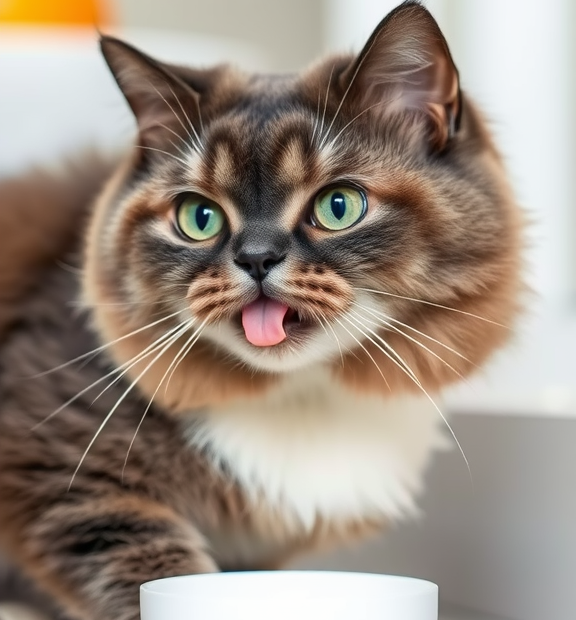
Daily Rituals to Encourage Your Scottish Fold Cat to Eat
If your Scottish Fold cat refuses to eat, it can be worrying and frustrating. These lovable felines sometimes show picky eating habits or lose interest in food due to stress, changes in environment, or mild health issues. Establishing consistent daily rituals can encourage your Scottish Fold to eat regularly and maintain good health. By creating a calming meal routine and incorporating sensory engagement, you can help stimulate your cat’s appetite effectively.
Understanding Your Scottish Fold’s Unique Dietary Needs
Scottish Folds are known for their charming folded ears and calm demeanor. However, their dietary preferences can be quite particular. They thrive on a balanced diet that includes high-quality protein, appropriate fat levels, and essential vitamins. Before trying new feeding rituals, ensure you are offering food suited to their age, weight, and any specific health conditions. Sometimes, a lack of appetite can signal underlying problems, so consulting a veterinarian is a smart first step if your cat stops eating for an extended period.
Create a Calm and Consistent Feeding Environment
One of the most effective ways to encourage your Scottish Fold to eat is to establish a calm and consistent feeding space. Cats prefer quiet areas where they feel safe. Try placing your cat’s food bowl in a low-traffic, peaceful corner of your home. Avoid loud noises and sudden movements during meal times as these can stress your pet and reduce their desire to eat.
Keep feeding times consistent every day. Cats are creatures of habit and thrive on routine. Setting a regular schedule with two or three fixed meal times helps your cat know when to expect food. Over time, this predictability can stimulate appetite and reduce anxiety around eating.
Enhance the Appeal of Meals Through Texture and Smell
Scottish Folds are often sensitive to the texture and smell of their food. If your cat refuses to eat, try gently warming wet food to enhance its aroma, making it more enticing. The strong smell can attract your cat’s interest and encourage them to take a few bites.
Offering a variety of textures, such as pate, chunks in gravy, or dry kibble, can also help. Rotate between different textures and flavors to keep things exciting and avoid boredom. However, always introduce new foods gradually to prevent digestive upset.
Interactive Feeding Rituals to Boost Appetite
Involving your Scottish Fold in playful and interactive feeding activities can increase their enthusiasm for food. Using puzzle feeders or slow feeders challenges your cat mentally and physically, making eating a rewarding game rather than a chore.
Try breaking meals into smaller portions spread throughout the day rather than one large meal. This can reduce overwhelm and encourage your cat to nibble voluntarily. Also, consider hand-feeding a few bites between meals to build trust and show positive food association.
Encourage Hydration Alongside Feeding
Sometimes a cat’s reluctance to eat is linked to dehydration. Ensuring your Scottish Fold has easy access to fresh water helps maintain overall wellness and can indirectly improve appetite. Some cats prefer drinking from flowing water sources, so a cat water fountain might be a good addition to your daily rituals.
Calming Techniques to Reduce Stress-Related Appetite Loss
Stress is a common reason for a decrease in appetite in cats. Scottish Folds are typically calm, but changes like new pets, renovations, or loud noises can unsettle them. Integrate calming activities into your daily routine, such as gentle petting sessions, soft music, or using pheromone diffusers designed to reduce feline anxiety.
A relaxed cat feels safer and is more likely to eat regularly. Be patient and observe your cat’s behavior closely to identify any stress triggers that you can minimize.
Monitor Progress and Adjust as Needed
Tracking your Scottish Fold’s eating habits daily helps you understand what rituals work best. Keep a simple log of meal times, amounts eaten, and any noticeable changes in mood or behavior. This information is valuable if you need to consult a veterinarian later.
If your Scottish Fold consistently refuses food despite your best efforts, seek professional advice promptly. Early intervention can prevent serious health complications and ensure your furry friend stays happy and healthy.
Daily Ritual Checklist to Encourage Eating
- Offer meals at the same times each day in a quiet, safe spot.
- Warm wet food slightly to enhance its aroma.
- Rotate food textures and flavors gradually.
- Use interactive feeders to make mealtime engaging.
- Hand-feed small portions to build trust.
- Ensure fresh water is always available; consider a water fountain.
- Create a calming environment with soft petting and pheromone diffusers.
- Track eating behavior and consult a vet if refusal persists.
By integrating these daily rituals into your Scottish Fold cat’s life, you can nurture a healthy appetite and prevent mealtime problems. Remember, patience and attention to your cat’s individual preferences are key to turning picky eating into pleasurable dining experiences.
Understanding the Causes Behind a Scottish Fold Cat’s Loss of Appetite
Common Health Issues Affecting Scottish Fold Cats’ Appetite
Scottish Fold cats are beloved for their charming appearance and sweet nature, but their unique genetics can sometimes lead to special health needs. When a Scottish Fold cat won’t eat, the root cause often ties back to underlying medical conditions. Understanding these potential health issues helps you respond effectively and ensure your cat returns to a healthy eating routine.
One frequent cause is dental problems. Scottish Folds may experience tooth decay or gum disease, making chewing painful and unpleasant. If your cat avoids food, especially dry kibble, inspect their mouth for signs of redness, swelling, or bad breath. A professional veterinary dental check may be necessary to diagnose and treat these issues.
Another health concern is gastrointestinal (GI) disorders. Conditions like gastritis, constipation, or even intestinal blockages can cause nausea or discomfort, leading the cat to refuse food. Watch for vomiting, diarrhea, or changes in stool appearance alongside the loss of appetite.
Arthritis is a common problem in Scottish Folds due to their distinctive cartilage and bone development. Pain and stiffness might limit their movement and affect drinking and eating habits, especially if the food and water bowls aren’t easily accessible. Arthritis can cause subtle appetite changes that might be overlooked without close observation.
Infections and illnesses such as respiratory infections, kidney disease, or liver problems may also reduce your cat’s desire to eat. If your Scottish Fold shows lethargy, sneezing, coughing, or changes in urination along with skipping meals, a prompt veterinary evaluation is needed.
Behavioral and Environmental Factors That Impact Eating Habits
It’s not always health problems that cause a Scottish Fold cat to stop eating. Stress and environmental changes often play a big role in feline appetite. Cats are naturally sensitive to changes in their surroundings, so moving to a new home, introducing new pets, or loud noises may make your cat anxious and hesitant to eat.
Additionally, the type and presentation of food matter a lot. Scottish Fold cats may become bored with the same diet, especially if the texture or flavor does not appeal to them. Offering variety and freshness can help stimulate their interest in eating.
Feeding routine disruptions can also cause lulls in appetite. Cats thrive on consistency, so irregular feeding times or constantly changing the feeding location might confuse them, leading to meal refusal.
How Aging Affects a Scottish Fold Cat’s Appetite
Older Scottish Fold cats tend to eat less as part of normal aging. Loss of smell and taste sensitivity reduces their motivation to eat, while decreased physical activity means they require fewer calories. Meanwhile, age-related diseases can exacerbate poor appetite. Monitoring your senior cat’s weight and eating habits closely is crucial to identifying issues early.
Signs to Watch For When Your Scottish Fold Cat Won’t Eat
Recognizing when your Scottish Fold cat’s refusal to eat becomes worrisome can prevent serious health issues. Key signs include:
- Complete food refusal for over 24 hours
- Drooling or gagging during feeding attempts
- Weight loss or lethargy
- Visible discomfort while chewing
- Changes in behavior such as hiding or aggression
If you notice any of these symptoms, it’s important to visit the vet without delay. Loss of appetite can quickly lead to dehydration or hepatic lipidosis, a serious liver condition.
Preventive Care to Support Scottish Fold Cats’ Appetite
To reduce the chances of appetite problems in your Scottish Fold, maintain a routine of preventive care. This includes:
- Regular veterinary check-ups to monitor dental health and detect early disease signs.
- Providing a balanced diet formulated for your cat’s specific life stage and health requirements.
- Monitoring feeding habits daily to catch subtle changes early.
- Reducing stress by creating a calm and predictable environment.
Being proactive and attentive to your Scottish Fold cat’s unique needs significantly lowers the risk of appetite loss and promotes their overall wellbeing.
Conclusion
Helping your Scottish Fold cat regain a healthy appetite takes patience and a gentle daily routine tailored to their unique needs. By establishing consistent mealtime rituals, offering a calm and inviting eating space, and introducing a variety of tasty, nutritious foods, you create an environment that encourages your cat to eat regularly. Understanding why your Scottish Fold might suddenly refuse food—whether due to stress, illness, or changes in their environment—allows you to address the root cause rather than just the symptom.
Remember, a loss of appetite can signal underlying health issues, so paying close attention to your cat’s behavior and consulting with a veterinarian when needed is key. Combining daily habits with knowledge about your kitty’s well-being ensures you’re not only solving the immediate eating problem but also promoting long-term health and happiness.
By nurturing your Scottish Fold with thoughtful care and clear awareness of their needs, you’re setting the stage for a stronger bond and a thriving feline companion. These daily rituals, paired with an understanding heart, pave the way for your cat to enjoy their meals eagerly once again.