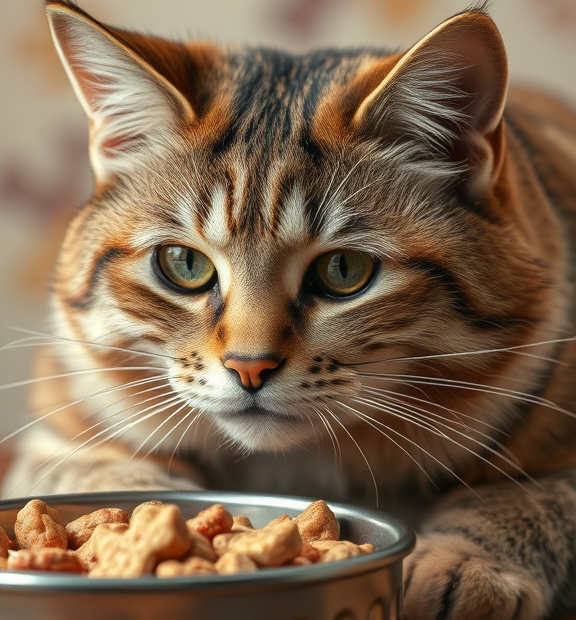
How Cat Food Puzzles Enhance Your Cat’s Mental and Physical Health
Unlocking Your Cat’s Potential with Interactive Feeding
Cats are intelligent creatures that thrive on stimulation and problem-solving. While feeding might seem like a simple routine, it can also be an opportunity to challenge your feline’s mind and body. Cat food puzzles are cleverly designed devices or toys that require cats to work for their food. By engaging with these puzzles, cats don’t just eat; they exercise their curiosity, enhance their agility, and satisfy their natural hunting instincts.
Why Choose Cat Food Puzzles?
Normal feeding bowls allow cats to eat quickly and without engagement, often leading to overeating or boredom. Food puzzles change this dynamic by offering several benefits:
- Mental Stimulation: Puzzles activate a cat’s problem-solving brain areas, preventing boredom and decreasing destructive behaviors caused by a lack of mental activity.
- Improved Physical Health: Unlike static bowls, food puzzles encourage movement and physical effort, which helps maintain healthy weight and muscle tone.
- Slower Eating: Cats tend to eat their meals too fast, risking digestive problems. Food puzzles slow down the eating process, aiding digestion and preventing gulping.
- Natural Hunting Instinct Fulfillment: Cats are natural hunters. Food puzzles mimic the challenge of catching prey, transforming mealtime into a fun and rewarding hunt.
Types of Cat Food Puzzles You Can Try
Food puzzles come in various types to suit the lifestyles and personalities of different cats. Here are some popular options:
1. Puzzle Feeders with Hidden Compartments
These feeders have compartments or holes from which the cat must extract food by pawing or nudging. This design boosts mental sharpness and dexterity.
2. Interactive Balls or Mice
These are moving toys that dispense treats or kibble when pushed or batted around. They encourage active play combined with feeding.
3. Food Mazes and Boards
Cats must navigate a maze or find the right path to deliver the kibble to an accessible spot. This kind of puzzle enhances patience and focus.
How to Introduce Your Cat to Food Puzzles
To make the experience enjoyable for your feline, follow these tips:
- Start Simple: Use puzzles with easy access so your cat doesn’t get frustrated.
- Use Favorite Treats or Kibble: This motivates your cat to engage with the puzzle consistently.
- Demonstrate the Game: Help your cat by showing how to extract food initially.
- Gradually Increase Difficulty: As your cat masters the basic puzzles, increase the challenge level step-by-step.
- Supervise During Use: Keep an eye on your cat for safety and encouragement.
Positive Impact on Mental Health
Mental health is just as important for cats as physical health. A bored cat may develop anxiety, depression, or become destructive. By solving food puzzles, cats get mental workouts that help prevent these issues. This mental engagement:
- Reduces stress
- Improves confidence and independence
- Encourages curiosity and exploration
Physical Benefits from Food Puzzles
Active use of paw movement, balance, and searching during puzzle play contributes to a cat’s fitness. Specifically, cat food puzzles help:
- Build and maintain muscle tone
- Boost cardiovascular health through activity
- Prevent obesity by promoting slower, controlled eating
- Enhance coordination and agility
Choosing the Right Cat Food Puzzle
When selecting a puzzle, consider your cat’s age, size, and personality. Kittens and senior cats may prefer simpler puzzles, while active adult cats benefit from more challenging devices. Materials matter too: opt for non-toxic, easy-to-clean products. Also, assess your cat’s interest level and adapt accordingly. Some cats might need encouragement to transition, but persistence usually pays off.
Tips for Maximizing Benefits
- Rotate different puzzles to maintain novelty and interest.
- Incorporate puzzle feeding into your cat’s daily routine consistently.
- Pair puzzle feeding with interactive playtimes for a holistic enrichment approach.
- Avoid overfeeding by adjusting the total food amount when using puzzles.
Engaging your cat with food puzzles transforms feeding time into a rewarding, healthful experience. By nurturing both the mind and body, these puzzles can elevate your cat’s daily life and contribute to long-term well-being. Whether you aim to challenge your pet’s intelligence or help manage weight and energy levels, cat food puzzles serve as versatile, fun tools for every cat owner looking to enrich their pet’s lifestyle.
Choosing the Right Cat Food Puzzle: Features to Consider for Your Feline Friend
Understanding the Importance of Cat Food Puzzles
Cat food puzzles are more than just toys; they provide mental stimulation and physical activity for your beloved feline. These interactive feeders challenge your cat to work for their meal, mimicking the natural hunting behavior that keeps them engaged and healthy. When selecting a cat food puzzle, it’s essential to focus on features that match your cat’s personality, dietary needs, and skill level. This ensures your feline friend benefits from the puzzle without becoming frustrated or losing interest.
Material and Safety Features
The first thing to consider when choosing a cat food puzzle is the material it’s made from. Cats have sensitive paws and sharp claws, so the puzzle should be constructed from non-toxic, durable materials like BPA-free plastic, wood, or sturdy silicone. Avoid products with small parts that could break off and pose a choking hazard. Also, smooth edges are crucial since rough surfaces can injure your cat while they play or eat.
Difficulty Level and Adjustability
Every cat has a unique level of curiosity and problem-solving ability. Some food puzzles are simple, with a few hiding spots, while others require multiple steps to access the food. Choosing the right difficulty level is key to keeping your cat motivated.
- Beginner puzzles: Ideal for cats new to interactive feeders, these typically involve basic sliding doors or simple compartments.
- Intermediate puzzles: These may include removable parts or require paw and nose agility to access treats.
- Advanced puzzles: Designed for highly intelligent cats, these puzzles often have multiple layers and hidden traps.
Opt for puzzles with adjustable difficulty levels, so you can increase or decrease the challenge as your cat gets more skilled.
Size and Portion Control
Choosing a puzzle that fits your cat’s size is vital. Small puzzles might frustrate larger cats, while overly big puzzles can discourage smaller or older cats from participating. Also, consider the puzzle’s portion size capacity. It should hold an appropriate amount of food for a single meal or snack. Meals dispensed through puzzles help regulate your cat’s eating speed, which is beneficial for digestion and weight control.
Ease of Cleaning and Maintenance
Food puzzles often involve dealing with kibble crumbs and sometimes sticky wet food. Therefore, selecting a puzzle that’s easy to clean encourages proper hygiene and prolongs the product’s lifespan. Look for puzzles that are dishwasher safe or can be disassembled effortlessly. Avoid models with too many tiny crevices where food can get trapped, as this can lead to mold or bacteria buildup.
Design and Engagement Factors
Cats can be particular about how they interact with their surroundings. Food puzzles come in various designs, including ball feeders that roll, maze-style trays, or puzzle boxes with sliding compartments. Some puzzles also include varied textures that encourage scratching or pawing.
A visually appealing and engaging puzzle will keep your cat interested in mealtime. Additionally, puzzles with sound elements (like small bells or crinkling noises) can add stimulation, but only if your cat isn’t easily frightened by noise. Pay attention to your cat’s preferences and behavior to find a puzzle they enjoy.
Portability and Storage
If you travel frequently or want to move the food puzzle between rooms, consider its portability. Lightweight puzzles are convenient for on-the-go use. Some models come with lids or compartments that secure kibble, making it easy to store food without spills.
Price and Warranty
Cat food puzzles are available in a wide price range. While it might be tempting to choose the cheapest option, investing in a well-made product saves money in the long run. A durable, safe, and engaging puzzle offers better value as your feline companion will use it regularly.
Check whether the manufacturer offers a warranty or satisfaction guarantee. This can give you peace of mind that you’re buying a quality item designed to last.
Customizing Your Choice Based on Your Cat’s Needs
Every cat is unique, with different energy levels, intelligence, and food preferences. Before purchasing a cat food puzzle, observe how your cat behaves during mealtime. If your cat tends to eat too quickly, a puzzle that slows down feeding will be helpful. For cats that easily get bored, choose puzzles that can be changed or rearranged to keep their interest alive.
Also, consider dietary restrictions and the type of food your cat eats. Some puzzles are designed exclusively for dry kibble, while others can handle soft treats or a mix of both. This versatility allows you to cater to your cat’s nutritional needs without sacrificing fun.
Tips for Introducing a Cat Food Puzzle
After selecting the perfect cat food puzzle, introduce it gradually to your feline friend. Start by placing a small amount of food on and around the puzzle so your cat associates it with positive experiences. Avoid forcing interaction; let your cat explore at their own pace.
With patience and the right puzzle, your cat will benefit from improved mental acuity, slower eating habits, and overall enrichment that enhances their well-being.
Conclusion
Cat food puzzles offer a wonderful way to boost your cat’s mental sharpness and physical activity. By engaging your feline in problem-solving to access their food, these puzzles keep their minds lively and bodies moving. This activity helps reduce boredom, which can lead to destructive behavior or obesity. When cats work for their meals, they not only get nourishment but also satisfy their natural hunting instincts, making mealtime more exciting and fulfilling.
Selecting the right cat food puzzle is key to maximizing these benefits. Look for features that match your cat’s personality and skill level, such as adjustable difficulty, size compatibility with your cat’s eating style, and materials that are safe and easy to clean. Some puzzles offer slow-feeding options that help with digestion and weight management, while others focus more on stimulating your cat’s curiosity and problem-solving abilities. Considering these factors ensures your feline friend stays engaged without feeling frustrated.
By integrating a well-chosen cat food puzzle into your pet’s daily routine, you’re not just providing food—you’re enriching their life. This simple addition can transform mealtime into an enjoyable challenge, promoting healthier habits and emotional well-being. Ultimately, these puzzles help your cat stay sharp, active, and happy, making them a smart investment for any cat owner looking to nurture their pet’s mind and body.