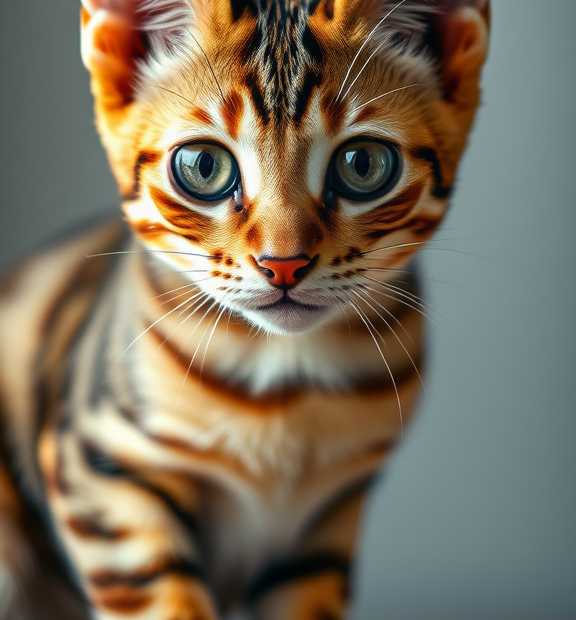
Bengal Cat Eat Problem? Common Causes and Immediate Dietary Solutions
Understanding Why Your Bengal Cat Might Refuse to Eat
It’s worrying when your Bengal cat suddenly stops eating or shows signs of eating problems. Bengals are known for their high energy, sleek coats, and generally robust health, so changes in appetite usually signal underlying issues. Understanding the possible reasons behind your Bengal’s eating problem is the first step to addressing it effectively.
Bengal cats can refuse to eat for various reasons, such as:
- Dental Issues: Problems like gingivitis, tooth decay, or oral infections can make chewing painful, leading your Bengal to avoid food.
- Digestive Problems: Conditions like food allergies, gastrointestinal infections, or inflammatory bowel disease can upset their tummy and reduce appetite.
- Stress or Environmental Changes: Bengals are sensitive to changes. A move, new pets, or altered routines may cause anxiety, affecting their eating habits.
- Illness or Infection: Fever, kidney disease, liver problems, or other medical conditions may suppress hunger in your cat.
- Food Preferences and Quality: Bengals are often finicky eaters. Low-quality food or flavors your cat doesn’t like can discourage eating.
If your Bengal cat stop eating for more than 24 hours, it’s crucial to consult your veterinarian promptly. Cats can develop fatty liver disease if they don’t eat for an extended period, which becomes a dangerous health risk.
Foods You Can Offer to Encourage Your Bengal Cat to Eat Now
When your Bengal cat refuses to eat, providing comforting, nutritious food is key to stimulating their appetite and ensuring they get necessary nutrients. Here are some safe and effective dietary solutions to try immediately:
1. Warmed Wet Cat Food
Wetting dry food or offering canned food slightly warmed can make meals more appealing. The aroma released by warming canned food entices your Bengal to nibble. Choose high-quality wet food rich in animal proteins, with limited fillers and artificial additives.
2. Bland, Easy-to-Digest Options
If digestion issues are suspected, offering bland foods can help calm the stomach:
- Boiled chicken breast (without seasoning)
- Steamed white fish
- Plain canned pumpkin (a small spoonful can soothe digestion)
These choices are gentle on the digestive system, encouraging eating without exacerbating sensitivity.
3. Specialty Cat Treats or Broths
Offering a few low-sodium chicken broth cubes or specially designed cat treats can stimulate appetite by providing strong flavors without overwhelming the cat’s stomach. Ensure broths are free from onions, garlic, or other toxic ingredients.
4. Small Frequent Meals
Instead of one or two large meals, try feeding smaller amounts more frequently. This approach makes eating feel less overwhelming and helps stimulate sluggish appetite gradually.
Hydration: A Critical Factor Often Overlooked
When your Bengal cat isn’t eating well, hydration is just as important. Cats naturally have low thirst drives, relying on moist foods for water intake. If they eat less, you should encourage fluid consumption.
Try offering:
- Fresh water in multiple bowls around the house
- Water fountains that encourage drinking through flowing water
- Broth made specifically for cats (without harmful ingredients)
Keeping your Bengal hydrated aids digestion and supports overall health during feeding difficulties.
Tips for Encouraging Eating and Monitoring Your Bengal Cat’s Health
Beyond offering the right foods, creating a stress-free environment during mealtime helps your Bengal feel comfortable enough to eat. Maintain consistency in feeding locations and times, and provide quiet, undisturbed areas for eating. Additionally, avoid sudden changes in diet unless advised by your vet.
Keep close track of your cat’s eating habits by noting:
- Amount of food consumed
- Refusals or vomiting episodes
- Changes in energy levels and behavior
This monitoring will give your veterinarian crucial information for diagnosing the root cause.
When to Seek Veterinary Care Immediately
If your Bengal cat continues to avoid food despite your home efforts, or if you notice symptoms like:
- Weight loss
- Vomiting or diarrhea
- Excessive drooling or pawing at the mouth
- Lethargy or hiding
It’s time to get professional help. These signs could indicate dental pain, serious infections, or metabolic diseases that require medical intervention.
Long-Term Dietary Strategies for Healthy Eating Habits
Once your Bengal cat’s appetite improves, focus on a balanced, species-appropriate diet to prevent future eating problems. Bengals thrive on high-protein, low-carbohydrate foods that mimic their natural diet. Consider:
- Premium wet and dry cat foods made with quality poultry, fish, or meat
- Grain-free options to minimize food allergies
- Consulting your vet on supplements or dietary adjustments customized to your cat’s specific needs
Switch foods gradually over a week or more to avoid digestive upset. Always prioritize fresh, nutrient-rich meals to support long-term gastrointestinal and dental health.
By recognizing common causes of eating problems in Bengal cats and acting promptly with appropriate foods, you can help your feline friend regain a healthy appetite and prevent serious health issues. Patience and careful observation combined with expert veterinary advice make the best recipe for your Bengal’s well-being.
Best Foods to Support Your Bengal Cat’s Appetite and Overall Health
Understanding Your Bengal Cat’s Unique Dietary Needs
Bengal cats are known for their high energy levels and muscular build, traits inherited from their wild ancestors. This makes their appetite and nutritional requirements different from many other domestic cats. If you notice your Bengal cat struggling with eating or a decreased appetite, it’s important to understand what foods can support their health effectively while stimulating their interest in meals.
Many Bengal cats can be picky eaters. They often prefer fresh, natural food that mimics their natural diet. Their digestive system thrives on protein-rich sustenance with balanced fats and essential nutrients. Feeding the right foods not only helps maintain a healthy appetite but also supports their immune system, shiny coat, and sharp mind.
Ideal Protein Sources to Boost Appetite and Health
Protein is the cornerstone of a Bengal cat’s diet. High-quality animal proteins help maintain lean muscle mass, support organ health, and keep your cat feeling satisfied after meals. Some of the best protein options include:
- Chicken and Turkey: These are easily digestible and rich in essential amino acids. They’re also generally well-accepted by Bengal cats.
- Fish: Salmon and sardines pack healthy omega-3 fatty acids, which enhance coat health and reduce inflammation. However, fish should be given in moderation, as too much can cause nutritional imbalances.
- Beef and Lamb: These meats offer variety and essential nutrients. Choose lean cuts to avoid excess fat.
- Eggs: Eggs are a brilliant source of protein and fat. Offering cooked eggs occasionally can boost your Bengal’s appetite and energy levels.
Wet and Dry Food Wisely
When selecting commercial cat foods, quality matters deeply. Both wet and dry foods have roles in a Bengal cat’s diet, but understanding their benefits can help encourage eating:
- Wet Food: Often more palatable, wet food provides extra moisture that supports kidney health and hydration. Bengals that are finicky or have urinary issues often respond better to wet food.
- Dry Food: Dry kibble helps maintain dental health by reducing tartar buildup. However, ensure the kibble is high in protein and free from fillers like corn or wheat, which may upset digestion.
Mixing wet and dry options can maintain your Bengal’s interest in food by introducing different textures and flavors. Always introduce new foods gradually to avoid stomach upset.
Natural Supplements and Foods to Encourage Eating
If your Bengal cat is experiencing a loss of appetite, incorporating certain supplements and natural foods can aid in stimulating taste buds and improving overall health:
- Bone Broth: Homemade, unsalted bone broth is rich in amino acids and easy to digest. It’s a great way to entice your cat to eat when they seem reluctant.
- Cat Grass: Indoor grasses safe for cats provide fiber and can improve digestion. Some Bengals enjoy nibbling on this, which may stimulate appetite indirectly.
- Omega-3 Fatty Acid Supplements: Supplements derived from fish oil can support skin and coat health and reduce inflammation, improving your cat’s comfort and willingness to eat.
- Probiotics: These help balance gut flora and can alleviate digestive issues that sometimes cause a feline to lose interest in food.
Feeding Tips to Enhance Your Bengal’s Eating Experience
Beyond what you feed, how and when you feed can influence your Bengal cat’s appetite:
- Serve Smaller, Frequent Meals: Bengals often do better with several small meals throughout the day rather than one or two large ones.
- Warm the Food Slightly: Warming wet food to body temperature can make it more aromatic and appealing.
- Maintain a Quiet Feeding Environment: Bengals can be sensitive to noise and disruptions. Feeding them in a calm, quiet space encourages relaxed eating.
- Rotate Flavors and Protein Sources: Offering variety prevents boredom and ensures a broader nutrient profile.
Foods to Avoid for Bengal Cats
Just as it’s important to provide beneficial foods, knowing what to avoid is crucial. Some foods can worsen appetite problems or harm your Bengal’s health:
- Dairy Products: Most cats are lactose intolerant, and dairy can cause digestive upset.
- Processed Human Food: Many human foods contain ingredients toxic to cats, such as onions, garlic, and chocolate.
- Foods High in Carbohydrates and Fillers: Rice, corn, soy, and wheat provide little nutritional value and may lead to weight gain or digestive issues.
- Raw Fish or Meat: Raw diets require careful handling; improper preparation might cause infections or nutritional imbalance.
Consulting your veterinarian before introducing new foods or supplements is essential, especially if your Bengal exhibits ongoing eating problems or health concerns.
Signs Your Bengal May Need Dietary Support
Pay close attention to any changes in behavior or health that might indicate an eating problem. Common signs include:
- Sudden loss of appetite lasting more than 24 hours
- Weight loss or lack of weight gain
- Vomiting or diarrhea after eating
- Excessive drooling or difficulty chewing
If you notice these symptoms, offering easily digestible, highly palatable foods like boiled chicken or canned wet cat food can help your Bengal feel better while you seek expert advice.
Ultimately, supporting your Bengal cat’s appetite involves combining high-quality nutrition with thoughtful feeding practices. By offering the right foods rich in protein, balanced fats, and vital nutrients, you ensure your Bengal stays energetic, healthy, and happy.
Conclusion
If your Bengal cat is facing eating problems, understanding the common causes is the first step toward helping your furry friend feel better quickly. Whether the issue stems from stress, illness, or changes in their environment, addressing these root causes can make a significant difference. Alongside that, choosing the right foods plays a crucial role in supporting your Bengal’s appetite and overall health. Providing high-quality, protein-rich meals that are gentle on their stomach can encourage them to eat more and regain their energy. wet food or specially formulated treats can also stimulate their interest in eating and offer much-needed hydration.
Remember, your Bengal cat’s diet should always meet their nutritional needs, focusing on fresh, wholesome ingredients without fillers or artificial additives. Keep a close eye on any changes in their eating habits, and consult with your vet if problems persist. By combining attentive care with the right food choices, you can help your Bengal cat overcome eating problems and thrive with a healthy appetite and vibrant energy. Your commitment and understanding will make all the difference in ensuring your Bengal enjoys a happy, healthy life.