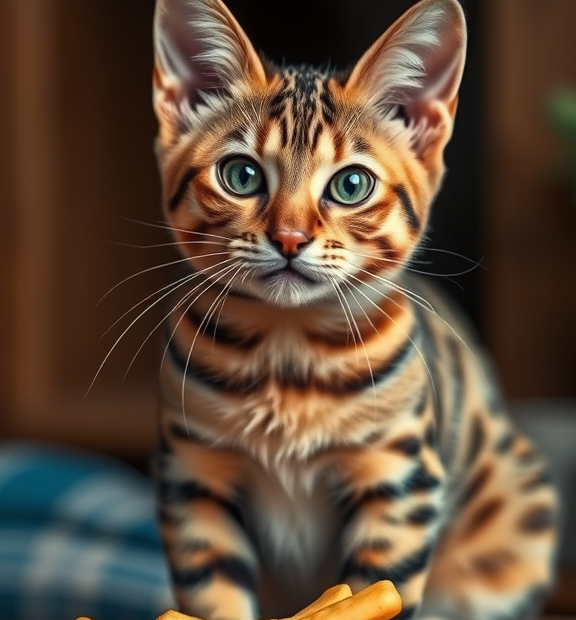
Recognizing Bengal Cat Eat Problem Signs and How to Respond
Identifying Signs of Eating Problems in Bengal Cats
Bengal cats are known for their energetic and playful nature, but sometimes their eating habits can signal health or behavioral issues. If you notice your Bengal cat acting differently around food, it is important to recognize the warning signs early to prevent further complications.
Common signs that a Bengal might be facing food-related problems include:
- Lack of Appetite: If your Bengal suddenly stops eating or frequently leaves food uneaten, this could indicate a medical issue or stress.
- Excessive Drooling: More saliva than usual while eating might be a symptom of dental issues or nausea.
- Vomiting or Regurgitation: Occasional vomit can happen, but frequent or severe episodes after eating require immediate attention.
- Difficulty Chewing or Swallowing: Reluctance to chew, pawing at the mouth, or gagging could point to dental pain or throat problems.
- Weight Loss or Weight Gain: Unexpected changes in weight despite regular feeding can denote underlying health concerns.
- Eating Non-Food Items: Pica — the craving for non-edible objects like string or plastic — may be a sign of nutritional deficiencies or boredom.
- Choking or Coughing While Eating: This may suggest a problem with swallowing or the presence of a foreign body.
- Changes in Drinking Patterns: Drinking more or less than usual can complement eating disorders, often relating to kidney or urinary issues.
If you observe any of these behaviors in your Bengal, it is best to monitor closely and consult your veterinarian for a thorough examination.
Common Causes Behind Bengal Cats’ Eating Difficulties
Several factors could contribute to eating problems in Bengal cats, ranging from physical to environmental:
- Dental Disease: Tooth decay, gingivitis, or oral infections can make eating painful.
- Gastrointestinal Disorders: Issues like inflammatory bowel disease, constipation, or food intolerances can affect appetite.
- Stress and Anxiety: Bengals are sensitive to changes in their environment; moving homes or introduction of new pets can trigger stress-induced loss of appetite.
- Inadequate Nutritional Content: Feeding poor-quality or unsuitable food may cause digestive upset or reluctance to eat.
- Food Allergies or Sensitivities: Some Bengals react poorly to certain proteins or additives, leading to gastrointestinal upset.
- Parasites or Infections: Parasites can cause discomfort and poor absorption of nutrients.
Understanding the root cause helps in choosing the right treatment or dietary changes to restore your Bengal’s healthy eating habits.
Best Foods to Support Bengal Cats With Eating Problems
When a Bengal cat shows eating difficulties, offering the right kind of food can make a big difference. Focus on options that are gentle on the stomach and nutritionally balanced to encourage consistent eating.
- High-Quality Wet Food: Moist, tender food is generally easier for cats to eat, especially if they have dental issues. It also helps increase water intake.
- Limited-Ingredient Diets: Foods with fewer ingredients are useful to identify and eliminate food allergies or sensitivities.
- Proper Protein Sources: Bengals thrive on animal-based proteins such as chicken, turkey, or fish. Avoid fillers like corn or soy.
- Prescription Diets: For cats diagnosed with gastrointestinal or kidney disorders, veterinary-prescribed diets formulated with the right balance of nutrients may be necessary.
- Homemade Food Options: Preparing simple, cooked meals with the guidance of a vet nutritionist can provide control over ingredients and avoid allergens.
- Gradual Food Transitions: Introduce new foods slowly to prevent digestive upset and allow your cat to adjust comfortably.
In addition to the type of food, always provide fresh, clean water. Bengals can be particular about their water source, so consider providing a cat water fountain to encourage hydration.
How to Encourage a Bengal Cat to Eat When They’re Hesitant
If your Bengal cat is reluctant to eat, gently coaxing their appetite can help.
- Warm the Food Slightly: Warming canned food to just above room temperature can enhance aroma and appeal.
- Hand Feeding: Offering food by hand can reassure shy or ill cats.
- Small, Frequent Meals: Instead of large portions, give smaller amounts more often to prevent overwhelming them.
- Offer Variety: Experiment safely with different protein choices or textures to find what tempts your Bengal the most.
- Keep Feeding Area Calm: Make the eating environment quiet and free from stress or other pets that might intimidate your cat.
If your Bengal continues refusing to eat for more than 24–48 hours, this is a serious concern. Prompt veterinary consultation is crucial to avoid complications such as hepatic lipidosis, a dangerous liver condition caused by prolonged fasting in cats.
Seeking Veterinary Help and Long-Term Care
Behavioral changes around eating often point to an underlying issue that needs professional care. When visiting your vet, be prepared to provide details about your cat’s eating habits, types of food offered, and any other symptoms noticed.
Your vet may conduct:
- Physical examination focused on mouth and body condition
- Blood tests to check organ function and infections
- Imaging studies like X-rays or ultrasounds for gastrointestinal problems
- Fecal tests for parasites
Following diagnosis, adhere strictly to the treatment or dietary recommendations. Regular follow-ups will help monitor your Bengal’s recovery and ensure nutritional needs are met for sustained health.
Taking proactive steps in recognizing and responding to eating problems can improve the quality of life for your Bengal cat. With the right care and nutrition, these majestic pets can thrive, maintaining their lively and affectionate nature that owners adore.
Best Foods to Support Your Bengal Cat’s Digestive Health and Appetite
Recognizing Digestive Issues in Bengal Cats
Bengal cats are energetic and beautiful pets known for their curious nature and alertness. However, like all cats, they can face digestive problems that may affect their appetite and overall well-being. As a caring Bengal cat owner, it’s important to notice the signs that indicate your feline friend might be struggling with digestion.
Watch out for symptoms such as frequent vomiting, diarrhea, constipation, or a sudden loss of appetite. You might also notice your Bengal cat exhibiting lethargy, excessive licking around the mouth, or changes in stool consistency and smell. These signs hint that the digestive system is not functioning optimally and requires attention.
Why Proper Nutrition is Key to Digestive Health
Good nutrition plays a crucial role in helping your Bengal cat maintain a healthy digestive tract and a strong appetite. The right foods support gut flora, ease digestion, and provide essential nutrients that fuel your cat’s active lifestyle.
Because Bengals have a muscular build and high energy levels, they require a diet that is rich in quality protein, moderate in fat, and balanced with necessary fibers and nutrients. Feeding appropriate food not only prevents digestive upset but also encourages your cat to eat consistently and happily.
Top Food Choices to Boost Digestion and Appetite in Bengal Cats
Choosing the best food for your Bengal cat’s digestive health involves focusing on ingredients that promote gastrointestinal comfort and nutrient absorption. Here are some of the best foods to consider:
- High-Quality Protein: Bengals thrive on animal-based proteins such as chicken, turkey, and fish. These provide essential amino acids and are easier for cats to digest compared to plant proteins. Look for wet or dry foods where meat is the first ingredient.
- Low Grain or Grain-Free Options: Many Bengal cats have sensitivities to grains, which can cause digestive upset. Choosing grain-free foods or those with low amounts of rice, corn, and wheat can help reduce inflammation and irritation in the gut.
- Probiotics and Prebiotics: Foods enriched with probiotics support the growth of healthy gut bacteria. Prebiotics, typically from fibers like chicory root or beet pulp, feed those bacteria, enhancing digestion and immune health. Some specialized cat foods include these beneficial ingredients, or you can add supplements after consulting your vet.
- Moisture-Rich Diet: Feeding wet food or adding water to dry kibble increases hydration, which aids digestion and reduces constipation risk. Bengals often benefit greatly from wet food, as it mimics their natural diet more closely.
- Limited Fillers and Additives: Avoid foods with artificial colors, flavors, and preservatives. These can irritate your cat’s stomach and worsen digestive issues over time.
Additional Dietary Tips for Digestive Support
Aside from the main food, you can incorporate other helpful practices to further support your Bengal’s digestion and appetite:
- Small, Frequent Meals: Feeding smaller meals multiple times a day can ease digestion by not overwhelming the stomach.
- Introduce New Foods Gradually: When changing your Bengal’s diet, do so slowly to avoid causing more digestive distress.
- Add Digestive Enzymes: Some cats benefit from enzyme supplements that help break down food better, improving nutrient absorption.
- Offer Natural Treats: Plain cooked chicken, pumpkin puree, or small amounts of feline-safe yogurt can help soothe the digestive system and tempt a picky eater.
Foods to Avoid for Your Bengal Cat’s Digestive Health
Knowing what not to feed your Bengal is just as important. Avoid table scraps, especially fatty or spicy foods, as these can cause vomiting or diarrhea. Steer clear of dairy products since many cats are lactose intolerant. Also, beware of toxic ingredients such as onions, garlic, chocolate, and certain artificial sweeteners.
When to Consult a Veterinarian
If your Bengal cat shows persistent signs of digestion problems like consistent vomiting, diarrhea, or a complete loss of appetite lasting more than 24–48 hours, seek veterinary care immediately. Digestive issues can indicate underlying infections, allergies, or other health conditions that require professional treatment.
Your vet can recommend a tailored diet plan or prescribe specialized foods designed specifically for sensitive stomachs or food allergies. Sometimes, diagnostic tests lead to targeted therapy that improves your Bengal’s digestive comfort and boosts their appetite.
Paying close attention to your Bengal cat’s eating habits and digestive health allows you to choose the best food options that keep them energetic and happy. A well-fed Bengal with a healthy digestive system will enjoy a long, vibrant life by your side.
Conclusion
Caring for a Bengal cat means staying alert to signs that they might be having eating problems. If you notice your Bengal skipping meals, showing reluctance to eat, vomiting, or having irregular bowel movements, these are clear signals to take action. Addressing eating issues early helps prevent serious health problems and keeps your lively feline feeling their best.
Choosing the right food plays a crucial role in supporting your Bengal’s digestive health and appetite. High-quality, easily digestible proteins, balanced fats, and added probiotics often make mealtime more enjoyable and help soothe their sensitive stomachs. Wet foods with limited fillers and natural ingredients are especially beneficial, as they provide hydration and essential nutrients that promote better digestion.
By understanding the key signs of eating difficulties and offering your Bengal cat the foods that nourish and support them, you can ensure they stay energetic and healthy. Always monitor your cat’s eating habits and consult a vet if problems persist. With proper care and the right diet, your Bengal cat can continue to thrive and bring joy to your home every day.