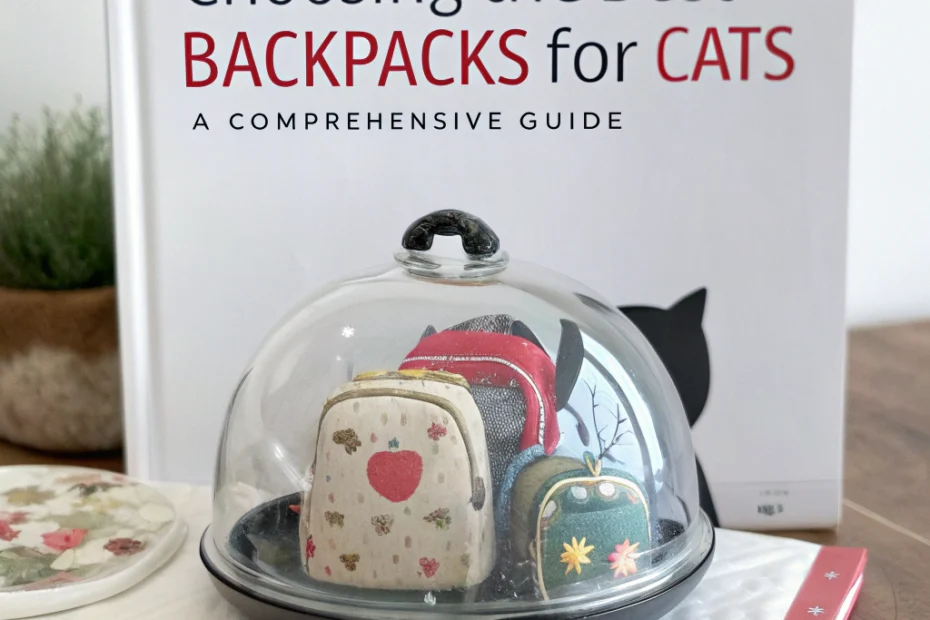
At-a-Glance
Backpacks for cats are becoming increasingly popular among pet owners who love to take their furry friends on adventures. These backpacks serve as a convenient and comfortable way to transport your cat while ensuring their safety. They come in various styles, sizes, and features, making it essential to choose one that suits your cat’s needs and your lifestyle.
How to Choose
When selecting a backpack for your cat, consider the following factors:
- Size and Comfort: Ensure the backpack is spacious enough for your cat to move around comfortably. Look for padded interiors and breathable mesh panels for ventilation.
- Durability: Choose a backpack made of sturdy materials that can withstand your cat’s claws and the rigors of travel.
- Weight Capacity: Check the weight limit of the backpack to ensure it can safely support your cat’s weight.
- Ease of Use: Opt for backpacks with easy-to-use zippers or openings for quick access.
- Additional Features: Consider backpacks with useful features like storage pockets, water bottle holders, and leash attachments.
Safety & Setup
Safety is paramount when using a backpack for your cat. Here are some tips to ensure your cat stays safe:
- Secure Fastenings: Ensure all zippers and fastenings are secure to prevent your cat from escaping.
- Internal Leash: Utilize the internal leash attachment to keep your cat secured inside the backpack.
- Proper Ventilation: Ensure there are ample ventilation panels to provide fresh air to your cat.
- Introduce Gradually: Allow your cat to acclimate to the backpack in a familiar environment before heading outdoors.
- Regular Checks: Periodically check your cat’s comfort and safety during use.
Core Pillars
The core pillars of using a backpack for cats include comfort, safety, and practicality. Prioritizing these aspects ensures a positive experience for both you and your cat:
- Comfort: Ensure the backpack is well-padded and spacious, providing a cozy environment for your cat.
- Safety: Secure fastenings and internal leashes keep your cat safe during transit.
- Practicality: Choose a backpack that fits your lifestyle, whether you need it for hiking, travel, or everyday use.
Placement & Environment Tips
Proper placement and understanding your cat’s comfort level are crucial when using a backpack:
- Back or Front: Decide whether carrying your cat on your back or front is more comfortable for both of you.
- Familiar Surroundings: Allow your cat to explore the backpack in a familiar setting before venturing out.
- Travel Frequency: Gradually increase the duration and frequency of outings to help your cat adjust.
- Environmental Awareness: Be mindful of environmental factors such as temperature and noise levels to avoid stressing your cat.
Comparison with Alternatives
While backpacks offer a convenient way to transport your cat, it’s important to compare them with other alternatives:
- Carriers: Traditional carriers offer more space but can be bulkier to transport.
- Strollers: Cat strollers provide a wheeled alternative but might not be suitable for all terrains.
- Slings: For smaller cats, slings can be a cozy option but lack the structure and security of backpacks.
FAQs
Are backpacks safe for cats?
Yes, when used correctly, backpacks are a safe way to transport your cat. Ensure the backpack is secure and ventilated, and use the internal leash attachment.
How can I get my cat used to a backpack?
Introduce the backpack gradually. Allow your cat to explore it at home, reward them with treats, and take short trips to build their comfort and confidence.
What features should I look for in a backpack?
Look for features such as padding, ventilation, secure fastenings, and additional storage to enhance the comfort and practicality of the backpack.
What to Do Next
After selecting the perfect backpack, start by introducing it to your cat in a safe and familiar environment. Gradually increase the duration of use and ensure your cat is comfortable and secure at all times. Always monitor your cat’s behavior and adjust accordingly to ensure a positive experience.
Disclaimer: Always consult your veterinarian for personalized advice regarding your cat’s health.