At-a-Glance
Cat feeders are essential for managing your pet’s meal times, especially if you have a busy schedule or multiple cats. They come in various forms, from simple gravity feeders to advanced smart feeders. Each type has its advantages and considerations, depending on your cat’s specific needs and your lifestyle.
Smart feeders can be programmed to dispense food at specific times, ensuring your cat gets fed even when you’re not around. Traditional feeders, like gravity models, are great for dry food and can be more budget-friendly. Understanding the different options can help you make an informed choice.
How to Choose
When selecting a cat feeder, consider your cat’s dietary needs, your schedule, and the number of pets you have. If your cat requires a special diet or portion control, a programmable feeder may be the best option. For homes with multiple cats, look for feeders that can dispense multiple meals or have separate compartments.
Evaluate the feeder’s capacity and material. Stainless steel and BPA-free plastics are safe choices that are easy to clean. Additionally, consider the power source; battery-operated models offer flexibility, while plug-in models ensure uninterrupted operation.
Safety & Setup
Safety is paramount when choosing a cat feeder. Ensure the feeder is stable and cannot be easily tipped over by a curious cat. Look for features like secure lids and compartments to prevent accidental spills or overeating.
Setting up a feeder typically involves choosing a location that is accessible but not disruptive. Follow the manufacturer’s instructions carefully, especially for smart feeders that require programming or app connectivity. Regular maintenance, such as cleaning and checking for wear, will prolong the feeder’s life.
Core Pillars
The core pillars of an effective cat feeder include reliability, ease of use, and suitability for your cat’s specific needs. A reliable feeder will consistently provide meals at the correct times and portions. Ease of use is crucial for both you and your pet, ensuring the feeder is simple to operate and refill.
Consider how the feeder fits into your home environment and your cat’s routine. Some feeders offer features like voice recording, which can comfort your cat when you’re away. Others have timers and portion control settings to help manage your cat’s diet effectively.
Placement & Environment Tips
Place the feeder in a quiet, low-traffic area where your cat feels comfortable eating. Avoid areas with direct sunlight or excessive humidity, which can spoil food.
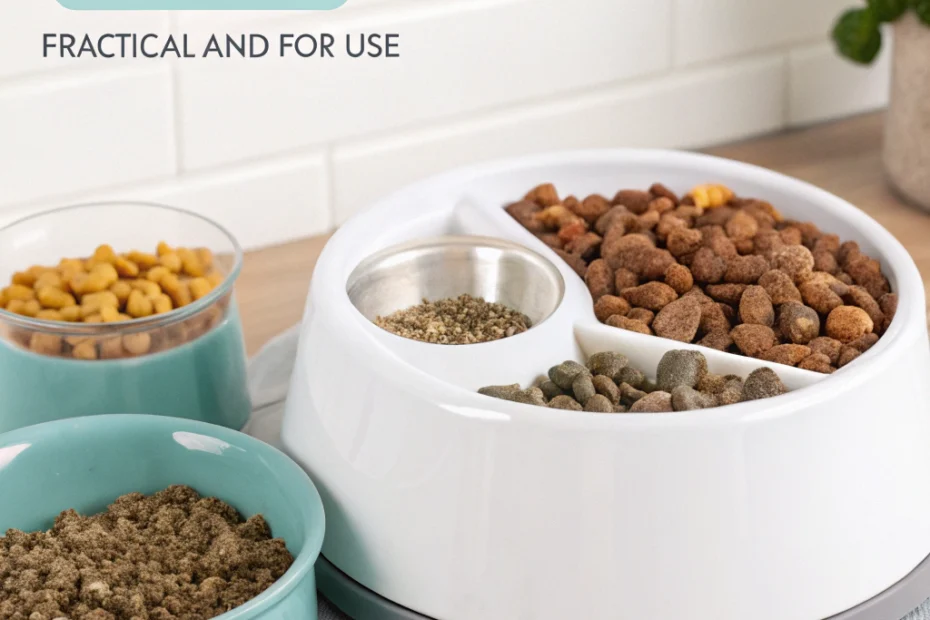
If you have multiple cats, ensure each cat has its own feeder or enough space to eat without being disturbed. This prevents competition and stress during meal times.
Comparison with Alternatives
Cat feeders vary widely, from simple bowls to complex smart devices. Gravity feeders are cost-effective and require minimal maintenance, but they’re best suited for dry food. Smart feeders, though pricier, offer precise control over meal times and portions, which is ideal for cats with strict dietary needs.
Manual feeders require you to be present to fill and monitor, but they allow for the most interaction with your pet. Consider what best fits your lifestyle and your cat’s habits when weighing alternatives.
FAQs
Q: Are smart feeders worth the investment?
A: Smart feeders can be a great investment for pet owners who need flexibility in feeding schedules or have cats with specific dietary requirements. They offer convenience and peace of mind.
Q: Can I use a cat feeder for wet food?
A: Some feeders are designed for wet food, but it’s important to choose one with a cooling system to keep the food fresh. Read the product specifications carefully.
What to Do Next
After selecting a suitable feeder, gradually introduce it to your cat. Monitor your cat’s reaction and adjust the feeding schedule as needed. Regularly clean and maintain the feeder to ensure it functions correctly and remains hygienic.
If you’re new to using automated feeders, take time to familiarize yourself with its features. This helps avoid mishaps and ensures your cat receives their meals on time.
Disclaimer: Always consult your veterinarian for personalized advice regarding your cat’s health.