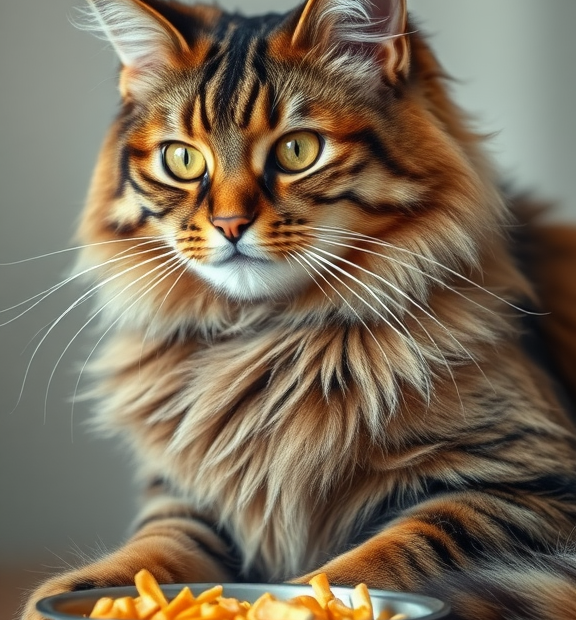
Maine Coon Skipping Meals? Common Causes and Early Warning Signs
If your Maine Coon cat suddenly starts skipping meals, it’s natural to feel concerned. These large, fluffy felines usually have hearty appetites, so a change in eating habits can hint at underlying issues. Paying attention early to this behavior can make all the difference in keeping your companion healthy and happy.
Understanding Meal Skipping in Maine Coons
First, it’s important to know that every cat has its own eating rhythm. Sometimes, a Maine Coon might miss a meal here and there without any serious problem. However, consistent refusal to eat or frequent meal skipping is a red flag. Since Maine Coons are prone to certain health conditions, any sudden decrease in appetite should be addressed promptly.
Common Causes Behind Skipping Meals
1. Dental Issues
Dental problems are common causes of reduced appetite in cats. Pain from inflamed gums, broken teeth, or infections make eating uncomfortable. Maine Coons, due to their size and longer life spans, might develop dental disease later in life. When eating becomes painful, they naturally avoid meals.
2. Stress and Environmental Changes
Cats are sensitive to changes in their environment. Introducing new pets, moving homes, or even rearranging furniture can stress your Maine Coon and make it skip meals. Stress affects their gastrointestinal system, reducing hunger and causing them to avoid food.
3. Illnesses and Medical Conditions
Several illnesses might cause a Maine Coon to eat less or refuse food altogether. Kidney disease, diabetes, gastrointestinal infections, or hyperthyroidism can suppress appetite. Early detection is critical because untreated illnesses worsen quickly in cats.
4. Food Preferences and Mealtime Routine
Sometimes the issue is simpler: your Maine Coon might find its food unappealing due to changes in texture, flavor, or brand. Cats can be quite picky, and sudden changes in diet might lead to skipped meals. Maintaining a consistent feeding schedule helps your cat know when to expect food and can promote regular eating.
Early Warning Signs to Monitor
Recognizing early signals that your Maine Coon is having eating problems can save you from bigger health issues. Look out for signs such as:
- Lethargy: A cat that skips meals often shows decreased energy or playful behavior.
- Weight Loss: Rapid or noticeable loss of weight is a key indicator of health issues linked to poor appetite.
- Change in Grooming Habits: Cats feeling unwell might stop grooming themselves properly.
- Vomiting or Diarrhea: Digestive upset often leads to reluctance to eat.
- Visible Pain: Whining, pawing at the mouth, or avoiding being touched around the head suggest dental or other health problems.
How to Encourage Your Maine Coon to Eat
If your cat skips meals, consider trying these approaches to stimulate its appetite:
- Warm the Food: Slightly warming wet food can enhance aroma and appeal.
- Offer Favorite Treats: Sometimes tempting your cat with a favored snack can encourage eating.
- Maintain a Calm Environment: Reducing stress and loud noises during meals helps your cat feel safe.
- Change Feeding Times: Regular, smaller meals may be less overwhelming than one large meal.
Seeking Veterinary Care
When your Maine Coon consistently skips meals, it’s essential to seek veterinary advice. A thorough exam, including blood tests and oral check-ups, will help identify any medical problems early. Your vet can recommend treatment or dietary changes tailored specifically to your cat’s needs.
Remember, early action is key. Prolonged lack of eating can lead to serious complications like hepatic lipidosis, a life-threatening liver condition common in cats losing weight quickly. So, don’t wait too long to get professional help.
Preventing Future Eating Problems
To keep your Maine Coon eating well, maintain regular health check-ups, good dental care, and a consistent feeding schedule. Also, create a peaceful mealtime environment and observe your cat daily for subtle changes in behavior or appetite. Consistent attention helps you catch issues before they spiral out of control.
Watching for signs that your Maine Coon is skipping meals early can protect your pet’s long-term health. By understanding common causes and responding quickly with appropriate care, you ensure that your majestic feline companion remains energetic and strong for years to come.
How to Encourage Healthy Eating Habits in Your Maine Coon Cat
Recognizing the Unique Dietary Needs of Your Maine Coon
Maine Coon cats are known for their impressive size and gentle personality, but their eating habits can sometimes pose challenges. These cats require a balanced diet that supports their muscular build and energetic lifestyle. Understanding how to encourage healthy eating ensures your Maine Coon remains robust and vibrant. When you notice your Maine Coon skipping meals or showing disinterest in food, it’s essential to understand the reasons behind these behaviors to foster better eating habits.
Common Reasons Why Maine Coons May Skip Meals
Before trying to improve your cat’s diet, identify why it might be rejecting food:
- Health Issues: Illnesses like dental problems, digestive issues, or infections can cause a loss of appetite.
- Stress or Anxiety: Changes in environment or routine may affect their eating behavior.
- Food Preferences: Picky eaters might dislike certain textures or flavors.
- Overfeeding or Frequent Treats: Too many snacks can reduce a Maine Coon’s interest in regular meals.
Understanding these factors helps you tailor your approach to encourage your cat to eat consistently.
Creating an Appealing Feeding Environment
The environment where your Maine Coon eats plays a significant role in its willingness to eat. Here are some tips to make mealtime more appealing:
- Quiet and Calm Setting: Avoid loud noises or heavy foot traffic near their feeding area.
- Clean Bowls: Regularly wash food and water bowls to prevent odors that might discourage eating.
- Comfortable Feeding Spot: Choose a spot where your cat feels safe and relaxed.
- Consistent Feeding Times: Cats thrive on routine, so offer food at the same times daily.
Choosing the Right Food for Optimal Nutrition
Selecting the right food is crucial to encourage healthy eating habits in Maine Coons. Consider the following:
- High-Quality Protein: Maine Coons need diets rich in animal protein for muscle maintenance and energy.
- Balanced Nutrients: Ensure the diet includes essential fats, vitamins, and minerals.
- Wet and Dry Food Combination: Mixing wet and dry food can increase moisture intake and provide variety.
- Avoid Fillers: Stay away from foods with excessive grains and artificial additives.
- Specialized Formulas: Consider diets formulated for large breeds or cats with specific dietary needs.
Switch food gradually over a week or more to avoid upsetting your cat’s stomach and to allow them to adjust.
Encouraging Your Maine Coon to Eat
Here are some practical strategies to stimulate your Maine Coon’s appetite and encourage regular feeding:
- Warm the Food Slightly: Heating wet food to room temperature often enhances aroma and palatability.
- Hand-Feeding: Gently hand-feeding treats or small amounts can provide comfort and build interest in eating.
- Use Interactive Feeders: Puzzle feeders or food-dispensing toys engage your cat mentally while encouraging eating.
- Limit Treats: Reducing treats helps ensure your cat is hungry at mealtimes.
- Offer Small, Frequent Meals: Multiple small meals throughout the day can encourage gradual eating.
Monitoring Your Maine Coon’s Eating Behavior
Keeping track of your cat’s eating habits is essential in preventing long-term problems:
- Record Meal Times and Quantities: This helps you notice patterns or changes.
- Watch for Weight Fluctuations: Sudden weight loss or gain can indicate underlying health issues.
- Observe Bathroom Habits: Digestive problems may affect appetite and require veterinary attention.
If your Maine Coon consistently skips meals or shows other worrisome signs, consult your veterinarian promptly to rule out medical concerns.
Maintaining Long-Term Healthy Eating Habits
Once you have encouraged your Maine Coon to establish healthy eating habits, maintaining them is just as important. Here are some final tips:
- Continue Consistent Meal Schedules: Predictable feeding times reduce stress and hunger anxiety.
- Regular Vet Check-Ups: Routine health checks help catch issues that can affect appetite early.
- Provide Plenty of Fresh Water: Hydration supports overall health and digestion.
- Engage Your Cat in Play: Physical activity stimulates metabolism, increasing appetite naturally.
Healthy eating is a cornerstone of your Maine Coon’s well-being. With patience, attention, and some adjustments, you can help your cat develop habits that support a long, happy life.
Conclusion
Noticing your Maine Coon skipping meals can be worrying, but understanding the common causes and early warning signs puts you in the best position to help your cat promptly. Illness, stress, dental issues, or even changes in the environment can all impact your cat’s appetite. Paying close attention to any changes in eating behavior lets you catch problems before they become serious.
Encouraging healthy eating habits is key to keeping your Maine Coon happy and thriving. Try offering a consistent feeding schedule and ensure the food is fresh and appealing. Experiment with different textures or flavors if your cat shows disinterest. Creating a calm, comfortable eating environment can reduce stress, which often affects appetite. Regular veterinary check-ups can help detect underlying health issues that might cause meal skipping.
Remember, your Maine Coon relies on you to notice these subtle signs and take action. Maintaining a strong routine and giving your cat plenty of love and attention around mealtimes supports both their physical and emotional well-being. By staying attentive and proactive, you can help your Maine Coon enjoy a healthy appetite and a better quality of life. Don’t ignore skipped meals—address the root causes with patience and care to prevent more serious problems down the road. Your cat will thank you with purrs and playful energy.