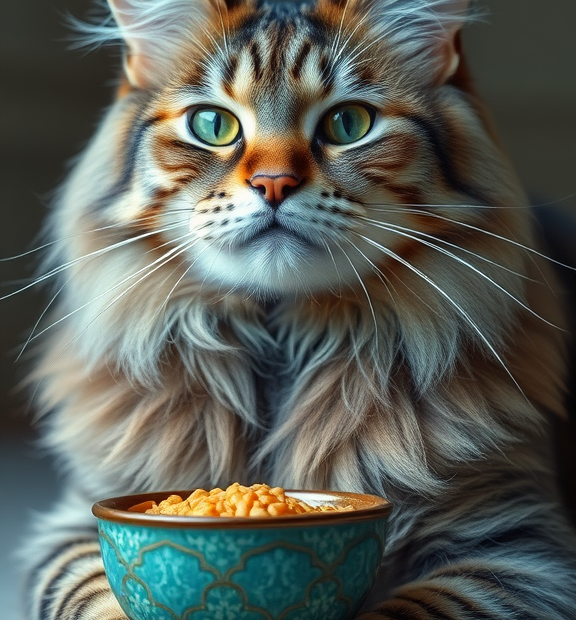
Understanding and Resolving Eating Problems in Senior Maine Coons
Senior Maine Coons are beloved companions known for their gentle nature and majestic appearance. However, as these large and affectionate cats age, they may develop eating problems that concern their owners. If your senior Maine Coon is showing reduced appetite, difficulty chewing, or other changes in eating behavior, understanding the causes and applying soothing fixes can help improve their quality of life and maintain their health.
Recognizing Eating Problems in Senior Maine Coons
Older Maine Coons can face various issues that affect their eating habits. You might notice your cat eating less, taking longer to finish meals, or even refusing food altogether. These signs often indicate underlying health or environmental factors that need your attention.
Common signs of eating problems include:
- Weight loss or noticeable thinning
- Food rejection or refusal to eat certain types of food
- Chewing difficulties or dropping food from their mouth
- Excessive drooling or pawing at the mouth
- Behavioral changes around mealtime, such as hiding or avoiding the feeding area
Spotting these signs early can help you take prompt steps to assist your Maine Coon.
Common Causes of Eating Difficulties in Older Maine Coon Cats
A variety of issues can contribute to your senior cat’s eating problems. Being aware of these helps target the right solutions.
Dental Problems
Dental disease is a leading cause of eating difficulties in aging cats. Problems like gingivitis, tooth decay, or loose teeth can make chewing painful. Since Maine Coons have large, strong jaws and big teeth, even minor dental pain can significantly affect their willingness to eat.
Chronic Illnesses
Conditions such as kidney disease, hyperthyroidism, or diabetes are more common in senior cats and often reduce appetite or change food preferences. Illness-related nausea or discomfort may disrupt your cat’s normal eating routine.
Changes in Food Texture and Smell Sensitivity
As cats age, their senses can dull. A diminished sense of smell reduces the appeal of food, while tooth and gum issues make harder kibble less tolerable. Additionally, older Maine Coons might develop preferences for softer or differently flavored foods.
Stress and Environmental Factors
Senior cats are sensitive to changes in their environment. New pets, loud noises, or unfamiliar smells near the feeding area can cause stress and lead to reduced appetite.
Effective Soothing Fixes to Help Your Senior Maine Coon Eat Better
Once you recognize the problem, several gentle and effective strategies can encourage your cat to eat more comfortably.
Schedule a Veterinary Check-Up
Before trying any home remedies, consult your vet to rule out or treat medical issues. Dental exams and blood work can identify underlying conditions causing eating problems. Treating illnesses or dental issues often leads to a quick appetite improvement.
Provide Soft, Palatable Food
Offering soft or wet food options makes chewing easier. You can also try warming the food slightly to enhance the smell and make it more appealing. Choose high-quality canned food rich in protein and nutrients to support recovery and maintain health.
Feed Smaller, Frequent Meals
Smaller portions served several times a day can be less overwhelming for cats with decreased appetite. Frequent meals prevent them from feeling full or tired and encourage steady food intake throughout the day.
Maintain a Clean and Quiet Feeding Area
Ensure the feeding spot is calm and free from distractions. Clean food and water bowls daily to avoid contamination or odors that might discourage eating. A comfortable environment reduces stress, helping your Maine Coon feel safe during mealtime.
Use Elevated or Adaptive Bowls
Senior Maine Coons might develop arthritis or stiffness, making it difficult to reach low bowls. Using elevated bowls or those designed to reduce strain on the jaw and neck can increase comfort while eating.
Encourage Hydration
Older cats tend to drink less water, which can affect appetite and digestion. Providing fresh water in multiple locations, using pet fountains, or adding broth to meals can encourage hydration and support overall health.
Monitoring and Adjusting Your Approach
Keep a close eye on your cat’s eating habits and weight. Use a journal or app to track amount of food consumed, preferences, and any changes in appetite. If eating problems continue for more than a few days despite your efforts, return to your vet to discuss alternative therapies or dietary adjustments.
Remember, patience and gentle care are key. Senior Maine Coons rely on you to notice their needs and help maintain their comfort. With thoughtful attention, many eating problems can be improved or resolved, ensuring your feline friend enjoys their golden years with good nutrition and happiness.
Creating a Comfortable Feeding Environment for Aging Cats to Improve Appetite
Understanding the Needs of Senior Maine Coons During Mealtime
As your Maine Coon grows older, it’s common to notice changes in their eating habits. Senior cats often face challenges that affect their appetite, from dental problems to reduced senses of smell and taste. Creating a feeding environment that caters to their unique needs is crucial in keeping your beloved feline healthy and happy.
Older cats can be sensitive to bright lights or noisy areas, which may discourage them from eating. Therefore, offering meals in a calm, dimly lit space helps reduce stress and distractions. Choose a quiet corner in your home where your Maine Coon feels safe and relaxed. This simple adjustment can make mealtime more inviting for your aging cat.
Adjusting the Feeding Space for Comfort
Senior Maine Coons can develop arthritis or joint pain, making it uncomfortable to bend down or stand for long periods during feeding. Elevating food and water dishes to a height that reduces strain on their neck and joints can help. Use sturdy, non-slip bowls placed on a stable surface, making it easier for your cat to reach their meal without discomfort.
Consider the following tips when arranging the feeding area:
- Elevate bowls: Use raised feeders designed for cats, typically about 2 to 4 inches off the ground.
- Stable surface: Avoid slippery mats or inaccessible locations that can discourage your cat from eating.
- Separate water and food stations: Some cats prefer not to drink immediately near their food. Placing them apart can encourage better hydration and eating habits.
- Clean environment: Keep bowls and the feeding space spotless to prevent any unpleasant odors or taste that might put your cat off.
Enhancing Appetite Through Food Choices and Presentation
Older Maine Coons often face diminished senses, impacting their interest in food. To counter this, serving food with stronger aromas and varied textures can stimulate their appetite. Warm the food slightly before serving to enhance the smell, which can make it more tempting.
Make mealtime enjoyable by:
- Offering wet food: Moist food is easier to chew and swallow for cats with dental issues.
- Adding broth or water: Mix a small amount of low-sodium chicken broth to add flavor and encourage hydration.
- Using small portions: Present smaller meals several times a day to prevent overwhelming your senior Maine Coon.
- Introducing variety: Rotate flavors or types of food periodically to keep your cat interested.
Maintaining Routine and Positive Associations
Cats thrive on routine, especially as they age. Feeding your Maine Coon at consistent times daily creates a predictable environment that can reduce anxiety and increase appetite. Try to avoid changing feeding locations often, as this might confuse or stress your senior cat.
Moreover, pairing mealtime with gentle petting or quiet companionship creates a positive association with eating. Sit nearby and speak softly while your cat dines, reinforcing comfort and security during meals.
Identifying When to Seek Veterinary Advice
While these environmental adjustments can greatly improve your senior Maine Coon’s eating habits, sometimes a cat’s decreased appetite signals health issues that require professional attention.
Watch for these signs that warrant a vet visit:
- Sudden, severe loss of appetite lasting more than 24-48 hours
- Weight loss or noticeable changes in body condition
- Difficulty chewing or swallowing food
- Excessive drooling or bad breath
- Vomiting, diarrhea, or other digestive issues
Prompt diagnosis and treatment of underlying conditions can save your cat from complications and restore their appetite.
Creating Mealtime Comfort Focuses on Your Cat’s Well-Being
By tailoring the feeding environment, food presentation, and routine to the special needs of senior Maine Coons, you can significantly improve their appetite and quality of life. Paying attention to subtle changes and adopting these soothing fixes will show your cat how much you care about their comfort as they age gracefully by your side.
Conclusion
Senior Maine Coons deserve special care as they age, especially when it comes to their eating habits. Understanding the root causes of their appetite changes can make a huge difference in managing these challenges effectively. By identifying common eating problems in senior cats—such as dental issues, changes in taste, or digestive sensitivity—you can take the right steps to support your furry friend’s nutrition and overall well-being.
Creating a comfortable feeding environment is equally important. Quiet spaces, easy-to-reach bowls, and consistent feeding times help your senior Maine Coon feel safe and encouraged to eat. You might also consider warming up their food or offering smaller, more frequent meals to make eating less stressful and more appealing. These gentle fixes can lead to noticeable improvements in your cat’s willingness to eat and maintain a healthy weight.
Ultimately, paying close attention to your senior Maine Coon’s needs and making thoughtful adjustments creates a positive eating experience. With patience and care, you’ll help your beloved cat enjoy mealtime again while supporting their health during their golden years. If problems persist, consulting a veterinarian is key to finding solutions tailored specifically to your cat’s condition. Remember, a content cat with a good appetite is a happy companion for many more years to come.