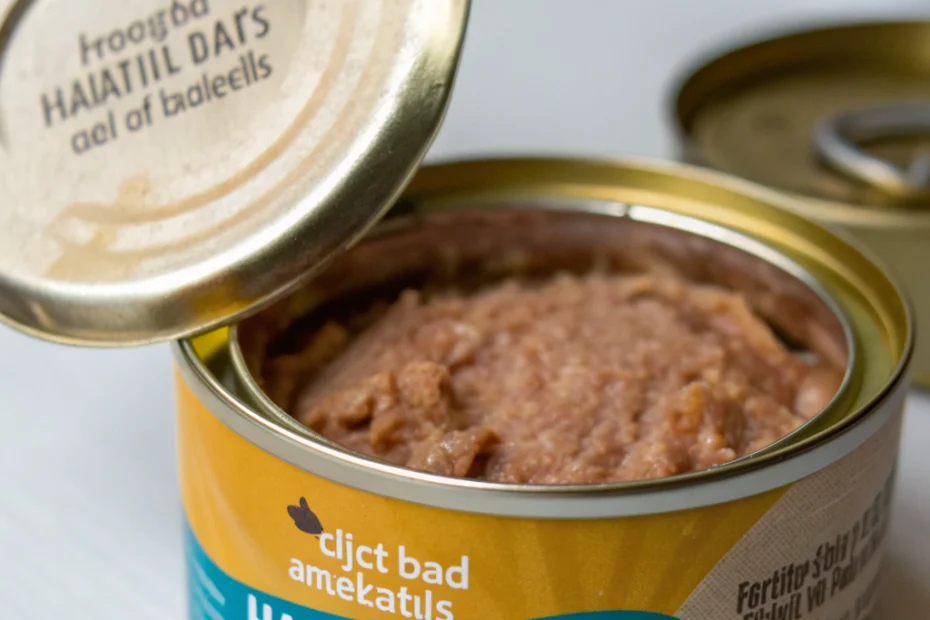
Short version: Frequent overeating can overwhelm the stomach and raise the risk of regurgitation or digestive blockages—especially in pets with sensitive systems. The fix is steady routine, smaller meals, and smart feeding tools.
At a Glance
- Split daily food into smaller, more frequent portions.
- Use slow-feed bowls or puzzle feeders to reduce gulping.
- Match calories to your pet’s size, age, and activity level.
- Keep fresh water available; avoid vigorous play right after meals.
- Track body condition and adjust portions gradually.
Who This Is For
Pet owners who notice fast eating, frequent regurgitation, or tummy upset after large meals—especially in dogs and cats with sensitive stomachs or a history of digestive issues.
Why Overeating Causes Problems
- Stomach overload: A single large meal can stretch the stomach, triggering regurgitation or vomiting.
- Gulping air + food: Rapid eating increases swallowed air, adding pressure and discomfort.
- Digestive stress: Sensitive GI tracts struggle with big, irregular feedings.
Your Action Plan
1) Portion and Schedule
- Feed 2–4 smaller meals per day instead of one large serving.
- Measure with a cup or scale; follow the food label as a starting point, then adjust weekly.
- Keep a consistent feeding window to stabilize appetite and digestion.
2) Slow the Pace
- Use a slow-feed bowl, muffin tin, or puzzle feeder to extend meal time.
- For kibble, try scatter feeding on a snuffle mat to encourage foraging.
- If multiple pets, feed separately to reduce competition and gulping.
3) Choose the Right Food
- Pick a diet that matches life stage (puppy/kitten, adult, senior) and activity level.
- For sensitive stomachs, consider easily digestible or limited-ingredient formulas.
- Avoid frequent, sudden diet changes; transition over 5–7 days.
4) Hydration & Activity
- Provide fresh water at all times; consider a pet fountain for reluctant drinkers.
- Limit intense play or running for 45–60 minutes after meals.
5) Monitor and Adjust
- Keep a simple feeding log (time, amount, reactions).
- Use a monthly body-condition check; aim for a defined waist and easy-to-feel ribs.
- Change portions by 5–10% at a time; extreme cuts cause rebound hunger.
When to Call the Vet
- Regurgitation or vomiting that happens more than once or includes blood/coffee-grounds.
- Bloated or painful abdomen, restlessness, drooling, or repeated retching.
- Weight loss, diarrhea, constipation, lethargy, or refusal to eat.
- Known GI disorders, megaesophagus, or prior obstruction—get a tailored plan.
FAQs
Is one large daily meal ever okay?
Some pets tolerate it, but splitting into 2–4 smaller meals generally reduces regurgitation risk and evens energy.
How fast should a meal last?
Aim for 5–15 minutes. If your pet finishes in under a minute, use slow-feed tools.
Can I add water to kibble?
Yes—adding a little warm water can slow eating and aid hydration. Discard uneaten soaked kibble after 30 minutes.
What about treats?
Keep treats under 10% of daily calories. Offer small, low-fat options and count them toward total intake.
Sample Daily Routine
- Morning: Measured meal in a puzzle feeder; short calm walk afterward.
- Midday: Small snack portion if needed; fresh water refresh.
- Evening: Measured meal in a slow bowl; quiet time for 1 hour post-meal.
- Before bed: Brief potty break; no heavy play right after feeding.
Disclaimer: This guide is educational and not a substitute for professional veterinary advice. If your pet has ongoing GI symptoms, seek veterinary care.