At-a-Glance
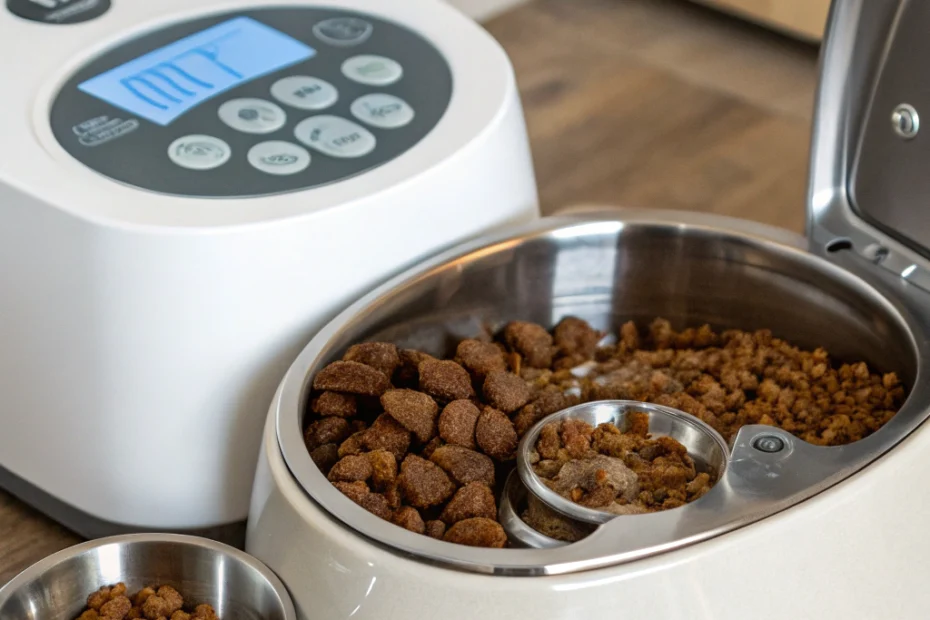
Automatic wet cat food feeders are becoming a popular choice for cat owners seeking convenience and consistency in feeding their pets. These devices can support your cat’s dietary needs by providing meals at scheduled times, which may help maintain a regular eating routine. As a part of the Tech & Smart Accessories category, these feeders offer innovative solutions for busy pet parents.
Understanding how these feeders work and their potential benefits can help you decide if they are the right choice for your feline friend. This article will guide you through the essential aspects of automatic wet cat food feeders, including how to choose the right one, safety and setup tips, and comparisons with other feeding methods.
How to Choose
When selecting an automatic wet cat food feeder, consider several factors to ensure it meets your cat’s needs and your lifestyle. Here are some key points to think about:
- Capacity: Determine how much food the feeder can hold and how often you need to refill it. Larger capacities may be beneficial for multiple cats or longer periods away from home.
- Programmability: Look for feeders with customizable settings that allow you to schedule meals at specific times. This feature can help maintain a consistent feeding routine.
- Ease of Cleaning: Choose a feeder that is easy to disassemble and clean. Regular cleaning is essential to prevent bacterial growth and ensure your cat’s food remains fresh.
- Power Source: Consider whether the feeder is battery-operated, plug-in, or both. Battery-operated feeders offer flexibility, especially during power outages.
- Material: Opt for feeders made from durable, non-toxic materials that are safe for food contact.
By considering these factors, you can find a feeder that aligns with your cat’s dietary needs and your convenience.
Safety & Setup
Ensuring the safety of your automatic wet cat food feeder is crucial for your cat’s health. Here are some safety and setup tips to keep in mind:
- Read the Manual: Always read the manufacturer’s instructions before setting up the feeder. This will help you understand how to operate it correctly and safely.
- Secure Placement: Place the feeder on a stable, flat surface to prevent it from tipping over. Ensure it’s in a location where your cat can easily access it.
- Check for Malfunctions: Regularly inspect the feeder for any signs of malfunction or damage. If you notice any issues, contact the manufacturer for assistance.
- Monitor Food Freshness: Since wet food can spoil quickly, ensure the feeder keeps the food fresh. Some feeders come with cooling features to help preserve the food.
- Test the Feeder: Before relying on it completely, test the feeder to ensure it dispenses the correct amount of food at the scheduled times.
Following these tips can help you set up the feeder safely and ensure it functions properly.
Core Pillars
The core pillars of an automatic wet cat food feeder revolve around convenience, consistency, and control. These devices can support your cat’s health by providing:
- Convenience: Automatic feeders reduce the need for manual feeding, saving you time and effort, especially if you have a busy schedule.
- Consistency: By delivering meals at regular intervals, these feeders can help maintain a stable feeding routine, which may benefit your cat’s digestion and overall well-being.
- Control: With programmable settings, you can control portion sizes and feeding times, which can support weight management and prevent overeating.
These pillars make automatic wet cat food feeders a valuable tool for modern pet care.
Placement & Environment Tips
Where you place your automatic wet cat food feeder can impact its effectiveness and your cat’s comfort. Consider these tips for optimal placement:
- Away from Litter Boxes: Keep the feeder away from litter boxes to avoid contamination and ensure a pleasant eating environment for your cat.
- Quiet Area: Place the feeder in a quiet area where your cat feels safe and undisturbed during meals.
- Accessible Location: Ensure the feeder is easily accessible to your cat, especially if you have a kitten or an older cat with mobility issues.
- Stable Surface: Use a stable surface to prevent the feeder from moving or tipping over during use.
- Temperature Control: If possible, place the feeder in a cool area to help maintain the freshness of wet food.
These placement tips can help create a comfortable and efficient feeding environment for your cat.
Comparison with Alternatives
Automatic wet cat food feeders offer unique benefits compared to other feeding methods. Here’s how they stack up against some common alternatives:
- Manual Feeding: While manual feeding allows for direct interaction with your cat, it requires more time and effort. Automatic feeders provide convenience and consistency, especially for busy pet owners.
- Dry Food Feeders: Automatic dry food feeders are common, but wet food feeders offer the advantage of providing moisture-rich meals, which can support hydration.
- Pet Sitters: Hiring a pet sitter ensures personalized care and attention. However, automatic feeders can be a cost-effective alternative for maintaining a feeding schedule during short absences.
Each method has its pros and cons, and the best choice depends on your cat’s needs and your lifestyle.
FAQs
Here are some frequently asked questions about automatic wet cat food feeders:
Can automatic wet cat food feeders accommodate multiple cats?
Yes, many feeders are designed to accommodate multiple cats, but you may need to monitor feeding times to ensure each cat gets their share.
How do I clean an automatic wet cat food feeder?
Most feeders have removable parts that can be washed with warm, soapy water. Always follow the manufacturer’s cleaning instructions for best results.
Are automatic wet cat food feeders suitable for kittens?
Yes, they can be suitable for kittens, but ensure the feeder dispenses appropriate portion sizes and is accessible for smaller cats.
What if my cat doesn’t like the feeder?
Introduce the feeder gradually, allowing your cat to get used to it. You can also try placing treats near the feeder to encourage use.
What to Do Next
Now that you have a comprehensive understanding of automatic wet cat food feeders, consider your cat’s specific needs and your lifestyle to determine if this technology is right for you. Remember to consult with your veterinarian for personalized advice, especially if your cat has specific dietary requirements or health concerns.
Disclaimer: Always consult your veterinarian for personalized advice regarding your cat’s health.