At-a-Glance
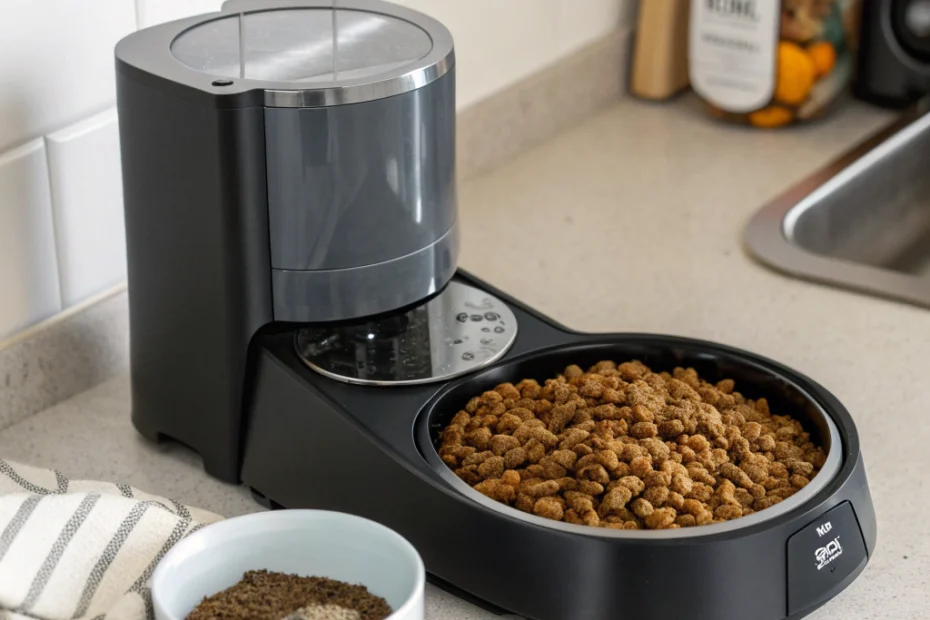
Automatic feeders for cats are becoming an essential tool for many pet owners. These devices may help manage your cat’s feeding schedule, ensuring they receive meals on time even when you’re not home. With various models available, these feeders can support different dietary needs and lifestyles. Understanding how they work and their benefits can guide you in making an informed decision for your feline friend.
How to Choose
When selecting an automatic feeder for your cat, consider factors such as portion control, scheduling features, and ease of use. Some feeders offer programmable settings that allow you to customize meal times and portion sizes, which can be beneficial for cats with specific dietary requirements. Additionally, look for feeders that are easy to clean and maintain, as hygiene is crucial in preventing health issues.
Portion Control
Portion control is a key feature in automatic feeders. It can help manage your cat’s weight by ensuring they receive the right amount of food at each meal. Look for models that offer precise portioning to suit your cat’s dietary needs.
Programmable Features
Programmable features allow you to set specific meal times, which can be especially useful if you have a busy schedule. This feature ensures your cat receives meals consistently, supporting their routine and reducing stress.
Ease of Cleaning
Choose a feeder that is easy to disassemble and clean. Regular cleaning prevents the buildup of bacteria and ensures your cat’s food remains fresh and safe to eat.
Safety & Setup
Setting up an automatic feeder involves more than just plugging it in. Ensure the feeder is placed on a stable surface to prevent tipping. Check that the feeder’s components are secure and functioning correctly before use. Regularly inspect the feeder for any signs of wear or damage that could compromise its safety.
Initial Setup
Follow the manufacturer’s instructions carefully during the initial setup. Test the feeder to ensure it dispenses the correct portion sizes and operates at the scheduled times.
Regular Maintenance
Regular maintenance is vital for the longevity and safety of the feeder. Clean the feeder according to the manufacturer’s guidelines and replace any worn parts as needed.
Core Pillars
The core pillars of using an automatic feeder include convenience, consistency, and control. These devices offer convenience by automating feeding times, consistency in meal delivery, and control over portion sizes, which can support your cat’s overall health and well-being.
Convenience
Automatic feeders provide convenience by allowing you to manage your cat’s feeding schedule without being physically present. This feature is particularly beneficial for pet owners with busy lifestyles.
Consistency
Consistency in feeding times can help reduce anxiety in cats, as they thrive on routine. Automatic feeders ensure meals are delivered at the same time each day, supporting a stable routine.
Control
Having control over portion sizes can help manage your cat’s weight and prevent overeating. This is especially important for cats prone to obesity or those on a specific diet.
Placement & Environment Tips
Where you place your automatic feeder can impact its effectiveness. Choose a quiet, low-traffic area where your cat feels comfortable eating. Ensure the feeder is on a stable surface to prevent spills or tipping.
Quiet Location
Cats prefer to eat in quiet, undisturbed areas. Placing the feeder in a calm environment can encourage your cat to eat peacefully.
Stable Surface
Ensure the feeder is placed on a stable surface to prevent it from being knocked over. This is especially important if you have multiple pets or a particularly playful cat.
Comparison with Alternatives
Automatic feeders offer unique benefits compared to traditional feeding methods. While manual feeding allows for direct interaction, automatic feeders provide consistency and convenience. They can be particularly useful for pet owners who travel frequently or have irregular schedules.
Manual Feeding
Manual feeding allows for direct interaction with your cat, which can be beneficial for bonding. However, it requires you to be present at meal times, which may not always be possible.
Gravity Feeders
Gravity feeders are another alternative, providing a constant supply of food. However, they lack portion control, which can lead to overeating.
FAQs
Can automatic feeders work with wet food?
Some automatic feeders are designed to work with wet food, but it’s important to check the manufacturer’s specifications. Wet food feeders often include cooling elements to keep the food fresh.
How do I know if my cat is eating enough?
Monitoring your cat’s weight and consulting with a veterinarian can help determine if they are eating the right amount. Automatic feeders with portion control can assist in managing their diet.
What if the power goes out?
Many automatic feeders have battery backup options to ensure they continue to operate during power outages. Check if this feature is available when choosing a feeder.
What to Do Next
Now that you have a better understanding of automatic feeders, consider your cat’s specific needs and lifestyle. Evaluate the features that would best support their health and well-being. Once you’ve identified the right type of feeder, you can explore product options that fit your criteria. Remember, the goal is to enhance your cat’s feeding routine while providing convenience and peace of mind for you.
Disclaimer: Always consult your veterinarian for personalized advice regarding your cat’s health.