At-a-Glance
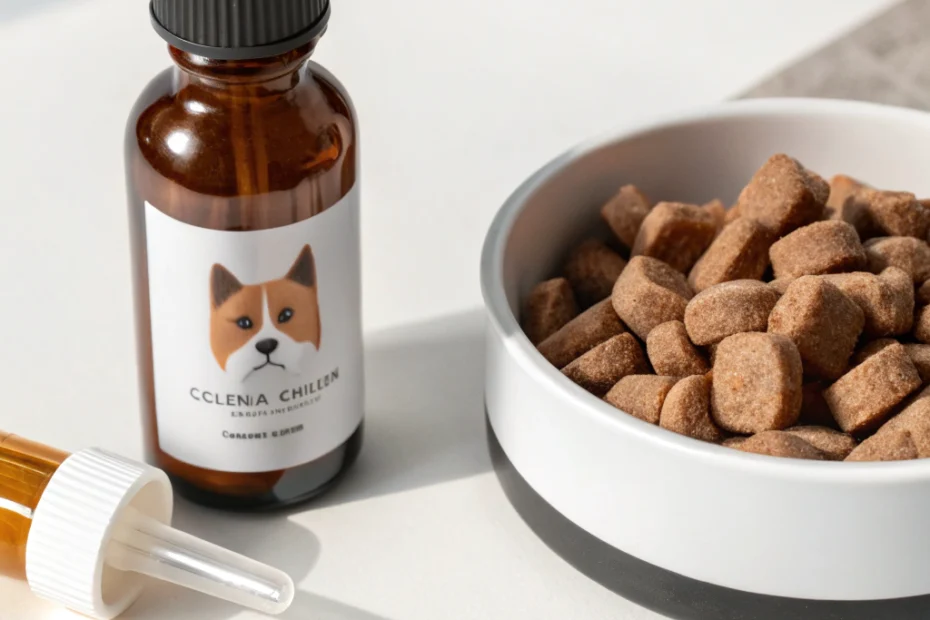
Calming treats for cats are a popular option for pet owners looking to support their feline friends through stressful situations. These treats may help reduce anxiety and promote relaxation, making them a valuable addition to your cat care routine. Whether your cat is dealing with separation anxiety, loud noises, or changes in their environment, calming treats can be a gentle way to offer comfort. In this guide, we’ll explore how to choose the best calming treats for your cat, ensure their safety, and integrate them into your pet’s life effectively.
How to Choose
When selecting the best calming treats for cats, consider a few key factors. First, check the ingredient list. Look for natural ingredients like chamomile, valerian root, and L-theanine, which are commonly used for their calming properties. Avoid artificial additives and preservatives that might not be beneficial for your cat’s health.
Next, consider the form of the treat. Some cats prefer soft chews, while others enjoy crunchy treats. The texture can affect how readily your cat accepts the treat, so it might take some experimentation to find the right one.
Lastly, pay attention to the brand’s reputation and reviews from other cat owners. A well-reviewed product can give you confidence in its effectiveness and safety. Remember, what works for one cat might not work for another, so be prepared to try a few options.
Safety & Setup
Ensuring the safety of calming treats is crucial. Start by introducing the treats gradually to observe how your cat reacts. Monitor for any adverse reactions such as digestive upset or changes in behavior. If you notice anything concerning, discontinue use and consult your veterinarian.
It’s also important to follow the recommended serving size on the packaging. Overfeeding can lead to unwanted side effects, so stick to the guidelines provided by the manufacturer. Always store the treats in a cool, dry place to maintain their freshness and efficacy.
Core Pillars
The core pillars of using calming treats effectively include understanding your cat’s specific needs, consistency, and patience. Recognize the situations that trigger anxiety in your cat and use the treats as a preventive measure. Consistency is key; regular use can help your cat associate the treats with a sense of calm.
Be patient as your cat adjusts. Some cats may take longer to respond to calming treats, and it’s important to give them time to acclimate. Observe your cat’s behavior and make adjustments as needed to ensure the best results.
Placement & Environment Tips
Creating a calming environment can enhance the effectiveness of calming treats. Consider placing the treats in a quiet, comfortable area where your cat feels safe. This could be a favorite resting spot or a designated calming corner.
In addition to treats, you can use other calming aids like pheromone diffusers or soft music to create a soothing atmosphere. Ensure your cat has access to hiding spots or elevated perches where they can retreat if they feel overwhelmed.
Comparison with Alternatives
Calming treats are just one option among many for managing cat anxiety. Other alternatives include pheromone sprays, calming collars, and anxiety wraps. Each option has its own benefits and may work differently depending on your cat’s personality and needs.
Pheromone sprays mimic natural cat pheromones and can create a sense of security. Calming collars release soothing scents, while anxiety wraps provide gentle pressure to help reduce stress. Comparing these options with calming treats can help you find the best solution for your cat.
FAQs
Can all cats use calming treats? Most cats can benefit from calming treats, but it’s important to consider your cat’s health and any allergies. Consult your veterinarian if you’re unsure.
How long do calming treats take to work? The time it takes for calming treats to work can vary. Some cats may respond within 30 minutes, while others might take longer. Observe your cat’s behavior to gauge effectiveness.
Are there side effects to be aware of? While generally safe, some cats may experience mild digestive upset. If you notice any adverse reactions, stop using the treats and consult your veterinarian.
What to Do Next
Now that you have a better understanding of calming treats for cats, consider trying them as part of your cat’s anxiety management plan. Remember to introduce them slowly and monitor your cat’s response. If you’re unsure about which product to choose, consult your veterinarian for personalized recommendations. With the right approach, calming treats can be a valuable tool in supporting your cat’s well-being.
Disclaimer: Always consult your veterinarian for personalized advice regarding your cat’s health.