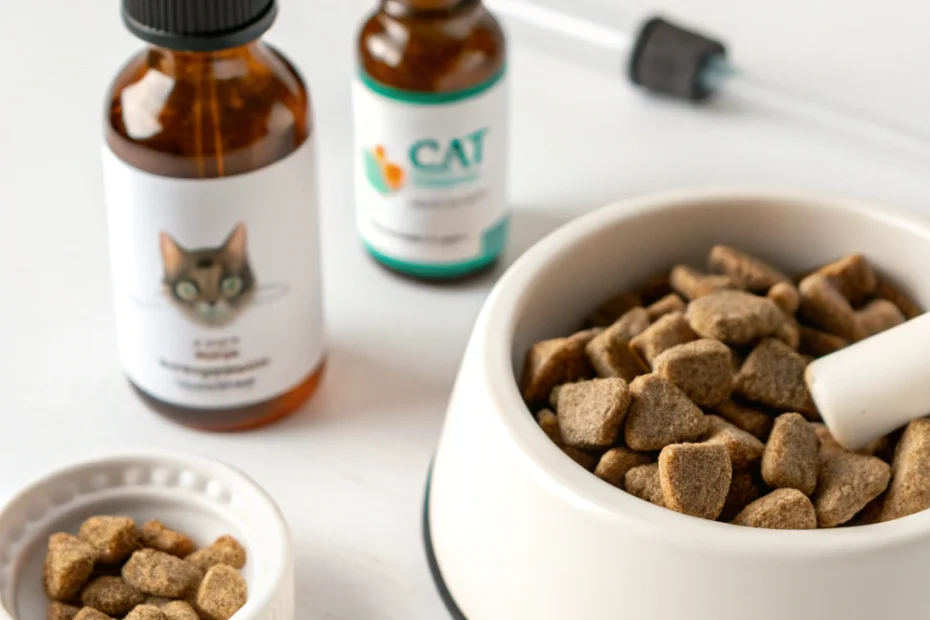
At-a-Glance
As a cat owner, you might be curious about whether melatonin can be beneficial for your feline friend. Melatonin is a hormone that regulates sleep-wake cycles and is commonly used in humans to support sleep. But can cats have melatonin? This guide explores the potential uses, safety considerations, and alternatives for melatonin in cats, especially in the context of calming and anxiety relief supplements.
How to Choose
When considering melatonin or any calming supplement for your cat, it’s crucial to choose products specifically designed for feline use. Cats have unique physiological needs, and what works for humans or other pets might not be suitable for them.
Consult Your Veterinarian
Before introducing any new supplement, consult your veterinarian. They can provide guidance on whether melatonin may help your cat and suggest appropriate products.
Look for Feline-Specific Products
Choose products labeled for cats. These are formulated with the right dosages and ingredients safe for feline consumption.
Check Ingredients
Ensure that the product does not contain harmful additives or fillers. Natural ingredients are often preferred for their safety and efficacy.
Safety & Setup
Safety is paramount when introducing any new supplement to your cat’s routine. Here are some tips to ensure a safe setup:
Start with a Small Dose
If your vet approves melatonin, start with the smallest recommended dose to observe how your cat reacts.
Monitor for Side Effects
Watch for any adverse reactions such as digestive upset or changes in behavior. If you notice anything unusual, contact your veterinarian immediately.
Consistency is Key
For supplements to be effective, they often need to be given consistently. Follow your vet’s instructions on timing and frequency.
Core Pillars
The core pillars of using melatonin for cats involve understanding its potential benefits, being aware of safety considerations, and integrating it into a broader wellness plan.
Potential Benefits
Melatonin may help support relaxation and reduce anxiety in cats. It’s commonly used in situations like travel, loud noises, or changes in environment.
Safety Considerations
Always prioritize your cat’s safety by consulting with a vet and choosing products specifically designed for cats.
Integrate with Other Strategies
Melatonin should be part of a comprehensive approach to your cat’s well-being, including proper nutrition, exercise, and mental stimulation.
Placement & Environment Tips
Creating a calming environment can enhance the effects of melatonin and other calming supplements.
Quiet Spaces
Provide a quiet, comfortable area where your cat can retreat during stressful times.
Consistent Routines
Maintain a consistent daily routine to help your cat feel secure and reduce anxiety.
Enrichment Activities
Engage your cat with toys and activities that stimulate their mind and body, promoting overall wellness.
Comparison with Alternatives
Melatonin is just one option among many for calming and anxiety relief in cats. Here are some alternatives:
Herbal Supplements
Herbs like chamomile and valerian root are commonly used for their calming properties.
Pheromone Products
Pheromone diffusers and sprays can create a calming environment by mimicking natural cat pheromones.
Behavioral Training
Training and behavior modification techniques can address anxiety and stress in a more holistic way.
FAQs
Here are some frequently asked questions about melatonin for cats:
Can I give my cat human melatonin?
It’s not recommended to give your cat human melatonin without veterinary guidance, as dosages and formulations differ.
How long does it take for melatonin to work in cats?
The effects can vary, but some cats may show signs of relaxation within 30 minutes to an hour.
Are there any side effects?
Possible side effects include drowsiness and digestive upset. Always monitor your cat and consult your vet if you notice any issues.
What to Do Next
If you’re considering melatonin for your cat, the next step is to consult with your veterinarian. They can provide personalized advice and help you choose the right product. Remember, melatonin is just one part of a comprehensive approach to your cat’s health and well-being.
Disclaimer: Always consult your veterinarian for personalized advice regarding your cat’s health.