At-a-Glance
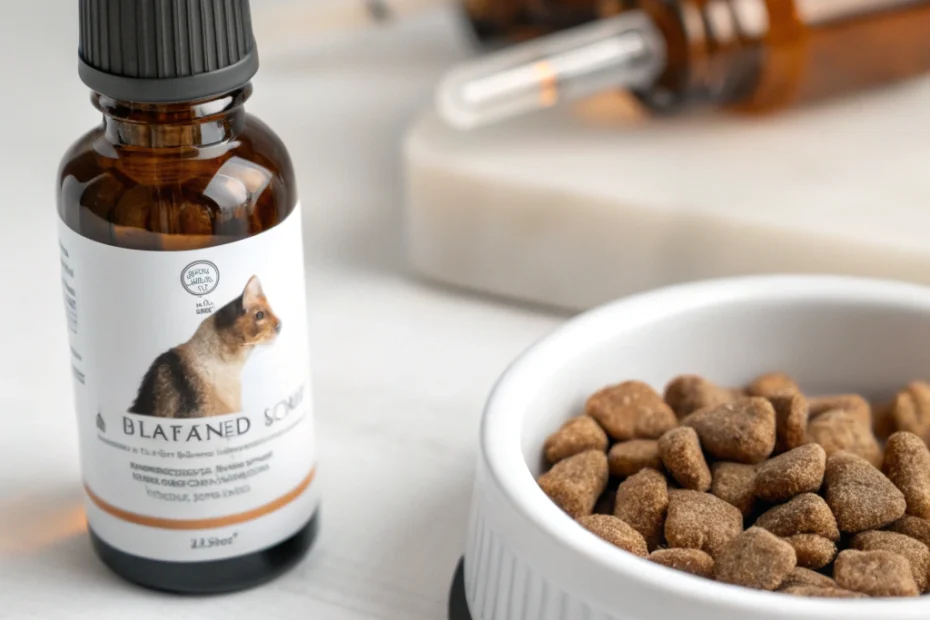
L-theanine is an amino acid commonly used in cat calming and anxiety relief supplements. It is derived from green tea leaves and is known for its potential to promote relaxation without causing drowsiness. For cat owners, understanding how L-theanine may support your feline friend’s well-being can be beneficial, especially if your cat experiences stress or anxiety.
This guide will explore the basics of L-theanine for cats, including how to choose the right product, safety considerations, and how it compares to other calming supplements. By the end, you’ll have a clearer picture of whether L-theanine might be a suitable option for your cat.
How to Choose
When selecting an L-theanine supplement for your cat, consider the following factors:
- Form: L-theanine for cats is available in various forms, including chews, powders, and capsules. Choose a form that is easy for you to administer and that your cat will accept.
- Ingredients: Look for products with minimal additives and fillers. A simple ingredient list can help ensure that your cat is receiving the benefits of L-theanine without unnecessary extras.
- Reputation: Choose products from reputable manufacturers who specialize in pet supplements. Research customer reviews and consult with your veterinarian to ensure the product’s credibility.
Safety & Setup
Before introducing any new supplement to your cat’s routine, it’s important to consider safety and proper setup:
- Consult Your Veterinarian: Always discuss with your veterinarian before starting any new supplement, including L-theanine. They can provide guidance based on your cat’s specific health needs.
- Start Slowly: Introduce L-theanine gradually to monitor your cat’s response. Observe any changes in behavior or health and adjust as necessary.
- Monitor for Side Effects: While L-theanine is generally considered safe, watch for any adverse reactions such as digestive upset or changes in behavior. If you notice any concerning symptoms, contact your veterinarian immediately.
Core Pillars
L-theanine works by potentially influencing brain chemicals that promote relaxation. Here are the core pillars of how it may benefit your cat:
- Calming Effect: L-theanine is known for its calming properties, which can help reduce anxiety and stress in cats.
- Non-Sedative: Unlike some other calming agents, L-theanine does not typically cause sedation, allowing your cat to remain alert and active.
- Support for Behavioral Issues: Cats experiencing behavioral issues related to anxiety may benefit from the calming effects of L-theanine, potentially leading to improved behavior over time.
Placement & Environment Tips
Creating a calming environment can enhance the effects of L-theanine:
- Safe Spaces: Ensure your cat has access to quiet, comfortable areas where they can retreat when feeling stressed.
- Consistent Routine: Maintain a consistent daily routine to help your cat feel secure and reduce anxiety triggers.
- Enrichment Activities: Provide toys and activities that stimulate your cat’s mind and body, promoting overall well-being.
Comparison with Alternatives
When considering L-theanine, it’s helpful to compare it with other calming supplements:
- Valerian Root: Another natural supplement, valerian root, is often used for its sedative properties. Unlike L-theanine, it may cause drowsiness.
- Chamomile: Chamomile is known for its soothing effects, but it may not be as effective for severe anxiety as L-theanine.
- Prescription Medications: For severe anxiety, veterinarians may prescribe medications. These can be effective but may have more side effects compared to natural supplements like L-theanine.
FAQs
What is L-theanine?
L-theanine is an amino acid found in green tea leaves, commonly used in supplements to promote relaxation in both humans and animals.
Is L-theanine safe for cats?
While generally considered safe, it’s important to consult your veterinarian before giving L-theanine to your cat to ensure it’s appropriate for their specific health needs.
How long does it take for L-theanine to work?
The effects of L-theanine can vary, but some cat owners report noticing changes within a few days to a week of consistent use.
What to Do Next
If you’re considering L-theanine for your cat, start by discussing it with your veterinarian. They can provide personalized advice based on your cat’s health history and current needs. Once you have their approval, choose a reputable product and introduce it gradually, observing your cat’s response. Remember, creating a supportive environment and maintaining a consistent routine can further enhance the benefits of L-theanine.
Disclaimer: Always consult your veterinarian for personalized advice regarding your cat’s health.