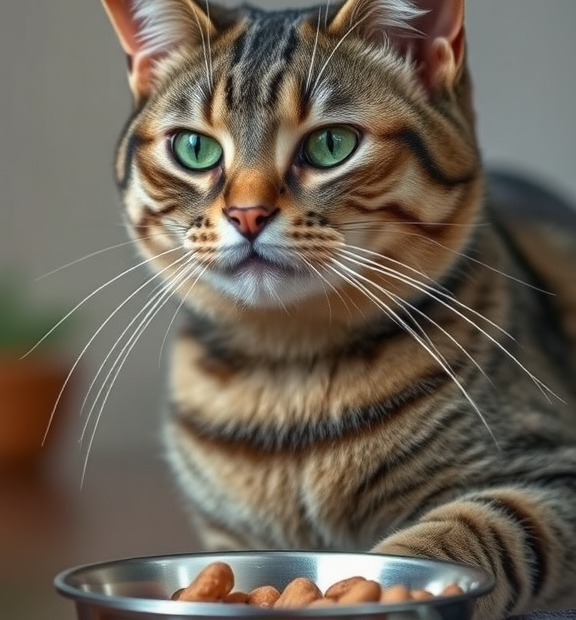
The Silent Struggle: Recognizing and Understanding Your Cat’s Appetite Loss
When your cat suddenly stops eating or shows less interest in food, it can cause worry and confusion. Appetite loss in cats is a silent struggle that many pet owners may overlook. However, understanding why your feline friend is refusing meals is critical for their health and well-being. Cats are masters at hiding discomfort, so changes in their eating habits might be one of the first signs something is wrong.
Why Cats Lose Their Appetite
There are several reasons your cat may experience a decrease in appetite. Recognizing these causes helps you act quickly and avoid further complications.
- Medical Issues: Illnesses such as dental disease, kidney problems, infections, or gastrointestinal upset can make eating painful or uncomfortable.
- Stress and Anxiety: Changes in environment, loud noises, new pets, or alterations in routine can stress your cat, affecting their desire to eat.
- Age-Related Factors: Older cats may naturally eat less due to changes in metabolism or dental wear.
- Food Preferences: Sometimes, cats are picky. A sudden change in food formula or brand might cause refusal to eat.
Why Appetite Loss Shouldn’t Be Ignored
Even a brief period of reduced food intake can lead to serious issues in cats. Unlike many animals, cats can quickly develop hepatic lipidosis, a dangerous liver condition caused by prolonged fasting. This silent decline can escalate rapidly, so early intervention is key.
Signs That Indicate Appetite Loss in Cats
Identifying appetite loss requires careful observation. Some clear signs you can watch for include:
- Leaving food untouched beyond their usual eating time
- Weight loss over days or weeks
- Decreased activity and lethargy
- Vomiting or diarrhea accompanying the loss of appetite
Monitoring your cat’s daily eating habits allows you to notice these subtle changes early.
How You Can Support Your Cat Through Appetite Loss
Once you recognize your cat’s struggle with eating, there are gentle strategies to help rekindle their appetite:
- Warm Their Food: Slightly heating their meals can enhance aroma and appeal.
- Offer Smaller, Frequent Meals: Sometimes dividing food into smaller portions encourages eating.
- Ensure a Calm Environment: Reduce stressors around feeding times and provide a quiet, comforting eating spot.
- Experiment with Texture and Flavors: Trying different wet or dry foods may find a palatable match.
The Role of Smalls in Managing Appetite Loss
Smalls, a fresh pet food company, understands these challenges deeply. Their offerings can play a crucial role when conventional cat food isn’t enticing enough.
Smalls specializes in crafting meals using high-quality, natural ingredients designed to appeal to a cat’s taste buds while supporting their nutritional needs. Here’s how Smalls helps:
- Fresh, Human-Grade Ingredients: Cats instinctively respond to fresher, tastier options like real chicken, turkey, and salmon over processed kibbles.
- Minimal Processing: Retains the natural flavors and nutrients which may be lost in traditional pet food.
- Customizable Meal Plans: You can tailor your cat’s diet to accommodate health issues, preferences, or age-related needs.
- Convenience of Portion-Controlled Packs: Helps serve fresh meals without waste, encouraging consistent eating habits.
Why Switching to Fresh Food Can Stimulate Appetite
The aroma and moisture content in fresh food like Smalls’ recipes often entice even reluctant eaters. Cats have a highly developed sense of smell, and the palatability of a meal can greatly influence their willingness to eat.
Moreover, fresh food can be easier to digest, reducing discomfort caused by allergies or sensitivities common with dry or low-quality foods. This comfort can motivate your cat to start eating again.
When to Consult Your Veterinarian
If your cat refuses food for more than 24-48 hours or shows other symptoms like vomiting, diarrhea, weakness, or behavioral changes, you should seek veterinary advice immediately. Early diagnosis and treatment of any underlying issues improve outcomes significantly.
Combine professional care with home strategies and options like Smalls to provide the best support for your cat’s health and happiness.
Being attentive and responsive to your cat’s appetite loss can turn a silent struggle into a path toward healing and comfort. The right knowledge and resources empower you to care for your pet with confidence.
How Smalls Cat Food Can Support Your Cat’s Health and Encourage Eating
Recognizing the Challenges Behind a Cat’s Appetite Loss
When your cat suddenly shows less interest in food, it can signal various underlying issues. Appetite loss is a common but often overlooked problem that may stem from stress, illness, dental problems, or just picky behavior. Cats are masters at hiding discomfort, so when they stop eating or eat less, it’s a silent struggle that pet owners must take seriously. Ensuring your cat receives balanced nutrition is vital to their health, energy, and happiness.
Understanding why your cat refuses to eat can feel overwhelming. Many cats develop food aversions if their meals don’t appeal to them or do not meet their nutritional needs. This is where tailored feeding solutions become essential. Smalls cat food offers a way to support cats facing this exact issue, providing meals designed to entice even the most finicky of felines.
How Smalls Cat Food Is Different
Smalls cat food focuses on fresh, high-quality ingredients to ensure every bite is packed with nutrition and flavor. Unlike many commercial cat foods, Smalls uses fresh proteins and carefully sourced ingredients with minimal processing. This means the meals are closer to the natural diet cats crave, which can encourage better eating habits and appetite.
Here’s what sets Smalls apart in supporting your cat’s health and appetite:
- Freshness in every meal: Using human-grade ingredients delivered fresh can stimulate your cat’s senses and make mealtime more appealing.
- Protein-rich recipes: Cats are obligate carnivores, so Smalls emphasizes high-protein content to match their natural dietary demands.
- Variety of flavors: Offering multiple flavors and textures helps keep your cat interested and willing to eat regularly.
- Grain-free and low-carb formulas: These are easier for many cats to digest and better support metabolic health.
Encouraging Eating Through Tailored Nutrition
One of the most powerful reasons Smalls cat food can boost your cat’s appetite is its customization option. Every cat is unique, with different taste preferences, dietary restrictions, and health needs. Smalls allows owners to tailor meals carefully to meet these individualized demands. Whether your cat faces allergies, digestive sensitivities, or simply dislikes certain ingredients, Smalls’ customization eliminates unwanted components and adds beneficial nutrients.
By feeding a diet that matches your cat’s needs, you are more likely to see improved appetite and overall vitality. This personalized approach reduces mealtime battles and fosters a positive eating experience—crucial when combating appetite loss.
Supporting Long-term Health with Balanced Meals
Appetite loss may indicate early health issues such as dental pain, gastrointestinal upset, or kidney problems. Smalls cat food provides balanced meals loaded with essential vitamins, minerals, and amino acids that support organ function and immune health. Feeding your cat consistently nutritious meals can help prevent illness flare-ups and maintain a healthy weight.
Moreover, you’ll find that Smalls’ commitment to transparency and quality means no fillers, artificial preservatives, or unnecessary additives, which can sometimes trigger negative food reactions or decreased appetite in sensitive cats.
How to Introduce Smalls to Your Cat’s Diet
Switching your cat’s food can be tricky if they are already reluctant eaters. It’s important to transition gradually to avoid digestive upset and give your cat time to adjust to new flavors and textures.
Follow this easy guide to make the switch seamless:
- Start slow: Mix a small amount of Smalls food with your cat’s current meal, gradually increasing the Smalls portion over 7-10 days.
- Offer warmth: Slightly warming the food can release aromas that stimulate appetite.
- Keep mealtime calm: Ensure a quiet, comfortable feeding environment to reduce stress around eating.
- Observe and adjust: Monitor your cat’s response and consult your veterinarian if appetite loss persists despite diet changes.
Building a Healthy Feeding Routine for Your Cat
Consistency is key when helping your cat regain their appetite and maintain good health. Feeding Smalls cat food at regular times each day helps reset their internal clock and creates a predictable routine that cats find reassuring. Pairing nutritious meals with fresh water and occasional playtime before feeding can also enhance their desire to eat.
Remember, supporting your cat through appetite challenges means paying attention to their unique needs and responding thoughtfully. Smalls cat food offers a practical, nutritious solution to encourage eating and keep your furry companion vibrant and well-fed.
Conclusion
Your cat’s appetite loss can be a quiet sign of an underlying issue that deserves your attention and care. Recognizing the subtle changes in eating habits is the first step toward helping your feline friend feel better and regain their zest for life. When your cat stops eating or shows a lack of interest in food, it’s not just about mealtime—it’s a signal that something might be wrong, whether due to health problems, stress, or environmental changes.
Choosing the right nutrition is essential to support your cat’s recovery and overall well-being. Smalls cat food offers a thoughtful solution, designed to appeal to your cat’s taste buds while providing wholesome, fresh ingredients that promote health. With Smalls, you can feel confident knowing that every meal is crafted to encourage eating and supply your cat with the nutrients they need to regain strength and vitality.
By closely observing your cat’s behavior and offering food that is both nutritious and enticing, you play a critical role in easing their silent struggle. Smalls cat food stands out as a trusted partner in this journey, helping to rebuild appetite and improve quality of life. Your attentive care, combined with Smalls’ commitment to fresh and healthy meals, can transform mealtime into a positive, nourishing experience for your beloved pet.