At-a-Glance
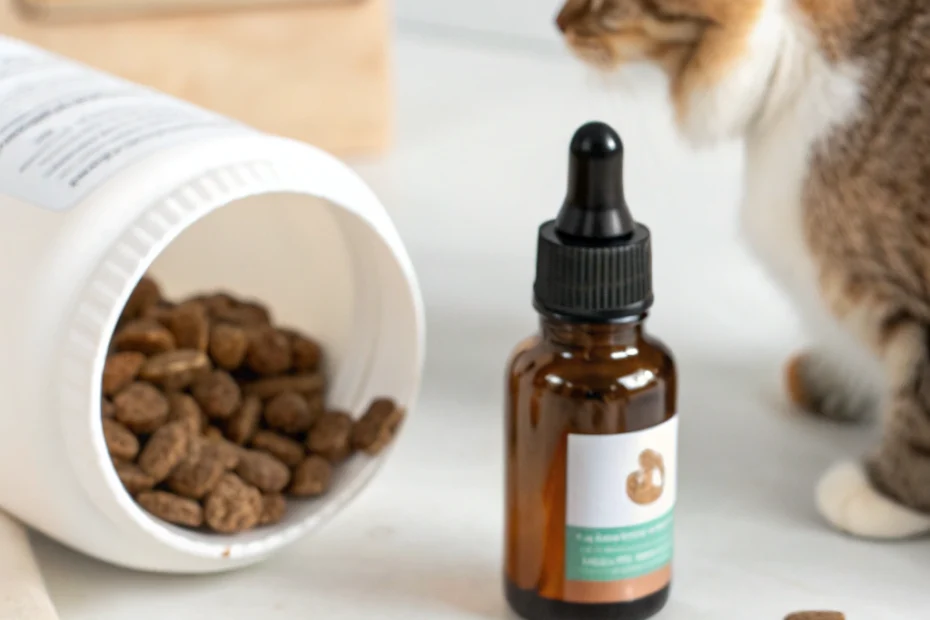
Hairballs are a common issue for many cats, especially those with long fur. These clumps of ingested hair can cause discomfort and even lead to more serious health concerns if not managed properly. Cat medicine for hairballs may help alleviate these issues by aiding in the passage of hair through the digestive system. This guide will explore the basics of hairball management, how to choose the right products, and important safety considerations.
How to Choose
When selecting cat medicine for hairballs, consider your cat’s specific needs and preferences. There are several types of products available, including pastes, gels, and treats. Each type has its own benefits and may be more suitable for different cats.
Types of Hairball Remedies
- Pastes and Gels: These are often flavored to appeal to cats and can be applied directly to their paws or mixed with food. They work by lubricating the digestive tract, which may help hairballs pass more easily.
- Treats: Hairball control treats are a convenient option that many cats enjoy. They often contain fiber or other ingredients that can support digestive health.
- Dietary Adjustments: Some cat foods are formulated to help reduce hairballs by including higher fiber content or specific nutrients.
Consider your cat’s dietary restrictions and preferences when choosing a product. Consulting with a veterinarian can provide additional guidance tailored to your cat’s health.
Safety & Setup
Before introducing any new product to your cat’s routine, it’s crucial to ensure it is safe and appropriate for their specific health needs. Here are some safety tips to keep in mind:
- Consult Your Veterinarian: Always discuss any new treatments with your vet, especially if your cat has existing health conditions.
- Follow Instructions: Adhere to the product’s usage instructions to avoid potential side effects or complications.
- Monitor Your Cat: Keep an eye on your cat’s reaction to the product. If you notice any adverse effects, discontinue use and consult your vet.
Core Pillars
Managing hairballs effectively involves a combination of approaches. Here are the core pillars to consider:
Regular Grooming
Frequent brushing can significantly reduce the amount of loose hair your cat ingests. This is especially important for long-haired breeds.
Hydration
Ensuring your cat has access to fresh water can support their digestive health and help prevent hairballs.
Diet
A balanced diet with adequate fiber can promote healthy digestion and reduce hairball formation.
Placement & Environment Tips
Creating a comfortable and stress-free environment can also play a role in managing hairballs. Here are some tips:
- Provide Scratching Posts: Cats often groom themselves more when stressed. Scratching posts can help them relieve stress in other ways.
- Regular Playtime: Engaging your cat in regular play can reduce stress and promote overall well-being.
- Comfortable Sleeping Areas: Ensure your cat has cozy spots to rest, which can reduce stress-related grooming.
Comparison with Alternatives
While cat medicine for hairballs can be effective, there are alternative methods to consider. These include:
- Natural Remedies: Some cat owners opt for natural remedies, such as adding a small amount of olive oil to their cat’s diet. However, these should be used cautiously and under veterinary guidance.
- Regular Grooming: As mentioned, grooming is a simple yet effective way to reduce hair ingestion.
- Specialized Diets: Foods formulated for hairball control can be a long-term solution for some cats.
FAQs
Q: How often should I give my cat hairball medicine?
A: The frequency depends on the product and your cat’s needs. Always follow the product’s instructions and consult your vet for advice.
Q: Are there any side effects to hairball medicine?
A: Some cats may experience digestive upset. If you notice any adverse reactions, stop using the product and consult your vet.
Q: Can kittens use hairball medicine?
A: Not all products are suitable for kittens. Check the product label and consult your vet before use.
What to Do Next
Now that you have a better understanding of cat medicine for hairballs, consider your cat’s specific needs and consult with your veterinarian to determine the best approach. Whether it’s through grooming, dietary changes, or specific hairball remedies, managing hairballs is an essential part of maintaining your cat’s health and comfort.
Disclaimer: Always consult your veterinarian for personalized advice regarding your cat’s health.