If you’ve ever dealt with a cat accident on your beloved couch, you know the struggle of how to get out cat urine from couch surfaces. This guide will provide you with reliable methods to effectively clean, prevent future incidents, and maintain an inviting home environment for both you and your feline friend.
how to get out cat urine from couch at a Glance: Key Facts for Cat Owners
Cat urine on furniture is not just an inconvenience; it can also be a persistent source of odor and stains. Understanding the nature of cat urine and its impact on different materials is crucial for effective cleaning. Here are some key points to consider:
- Cat urine contains uric acid, which can leave stains and odors if not treated promptly.
- Immediate action increases the chances of complete stain removal.
- Using enzymatic cleaners can help break down the uric acid and eliminate odors.
- Regularly cleaning your cat’s litter box can prevent furniture accidents.
How to Choose
When selecting the right cleaning approach for removing cat urine from your couch, consider factors such as the fabric type, severity of the stain, and your cat’s behavior. Here’s how to make informed decisions:
Fabric Type
Different couch materials require different cleaning methods. For instance, leather couches may need a gentler approach than fabric ones. Always check the manufacturer’s cleaning instructions before proceeding.
Stain Severity
The age and size of the urine stain will dictate the cleaning intensity. Older stains may require more effort and specialized products.
Behavioral Factors
If your cat frequently urinates outside the litter box, it’s important to assess any underlying issues such as stress, territorial marking, or medical conditions. Addressing these root causes can reduce future incidents.
Safety & Setup
Ensuring the safety of your cleaning process is crucial for both you and your pet. Always use pet-safe cleaning products and follow safety precautions:
- Ventilation: Ensure the room is well-ventilated during cleaning to avoid inhaling fumes.
- PPE: Wear gloves and protective gear to protect your skin from harsh chemicals.
- Product Testing: Test cleaning products on a small, inconspicuous area of the couch first to prevent damage.
- Vet Consultation: If your cat’s urination behavior is sudden or unusual, consulting a vet is recommended.
Core Pillars
Successfully managing cat urine stains on your couch revolves around these core pillars:
Consistency
Regular maintenance and prompt response to accidents are key to keeping your couch clean.
Environment
Creating a stress-free environment for your cat can decrease the likelihood of accidents.
Monitoring
Keeping an eye on your cat’s behavior helps identify problems early and allows for timely intervention.
Gradual Change
Introduce new cleaning products or routines gradually to ensure your cat’s comfort and to prevent stress-related accidents.
Placement & Environment Tips
The placement of your cat’s litter box and overall home environment can influence your cat’s behavior. Consider these tips:
- Litter Box Location: Place the litter box in a quiet, easily accessible area to encourage use.
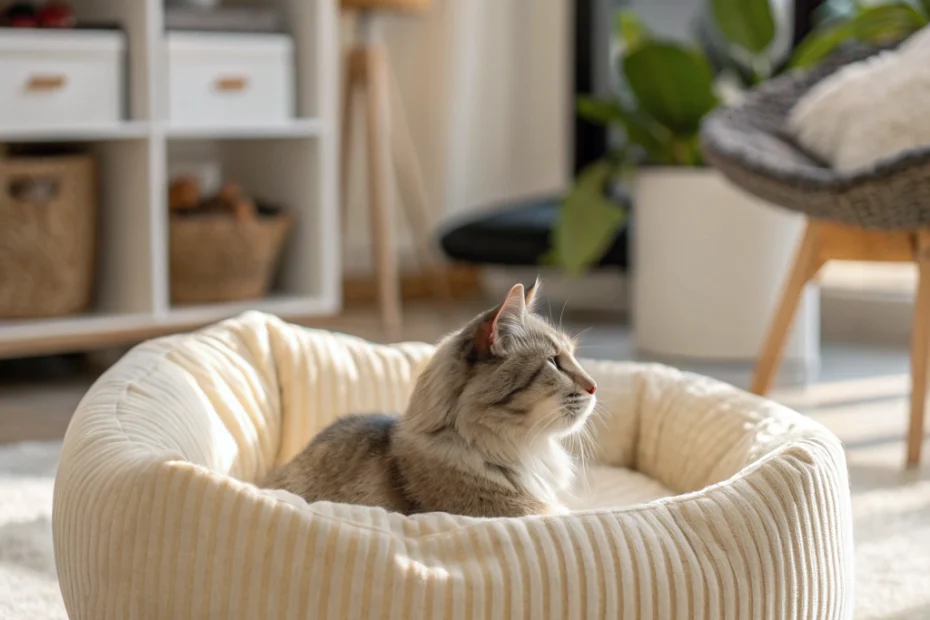
- Comfortable Spaces: Provide cozy resting spots, like a super cozy, fluffy, cream-colored corduroy cat bed shaped like a miniature sofa, to deter lounging on your couch.
- Routine Cleaning: Keep the litter box clean to make it an attractive option for your cat.
- Stress Reduction: Reduce potential stressors such as loud noises or other pets that may discourage litter box use.
Comparison with Alternatives
While cleaning your couch is essential, exploring alternative solutions can also be beneficial. Here’s how they compare:
Professional Cleaning Services
Hiring professionals can be effective for stubborn stains but may come at a higher cost.
DIY Enzymatic Cleaners
These are cost-effective and readily available but require effort and time to apply correctly.
Protective Covers
Couch covers can prevent stains but may not address the root cause of urination behavior.
FAQs
How soon should I clean cat urine?
Immediate cleaning is recommended to prevent permanent stains and lingering odors.
Can I use vinegar to clean cat urine?
Vinegar can neutralize odors but may not fully remove stains. An enzymatic cleaner is often more effective.
Why does my cat urinate on the couch?
Possible reasons include medical issues, stress, or territorial marking. A vet visit can help identify the cause.
Is it safe to use bleach on cat urine stains?
Bleach is not recommended as it can harm fabrics and is unsafe for pets.
How can I prevent future accidents?
Ensuring your cat’s litter box is clean, accessible, and located in a stress-free area can help prevent accidents.
What to Do Next
Understanding how to get out cat urine from couch surfaces involves prompt action, the right cleaning products, and a supportive environment for your cat. By following these guidelines, you can maintain a fresh and inviting home. Remember, observing your cat’s behavior and consulting with a veterinarian can provide additional insights. Keep an eye on your cat’s habits, adjust their environment where necessary, and always prioritize their well-being.
Disclaimer: Always consult your veterinarian for personalized advice regarding your cat’s health.