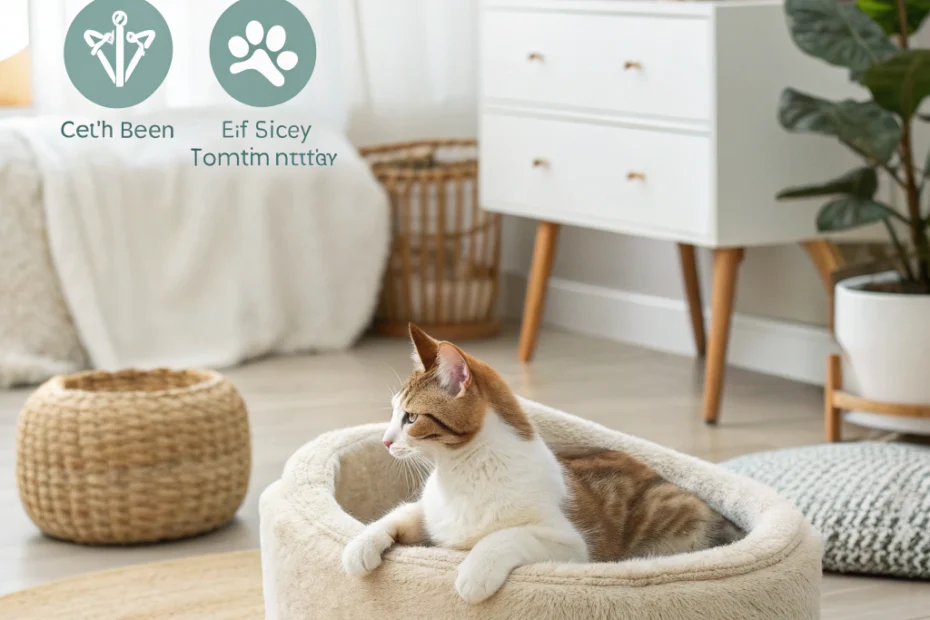
Cat furniture is an essential part of creating a cat-friendly environment in your home. By incorporating items like cat trees, scratching posts, and cozy beds, you can enrich your cat’s life and protect your furniture from wear and tear. This guide will help you understand what to consider when choosing cat furniture, ensuring it meets both your aesthetic preferences and your cat’s needs.
at a Glance: Key Facts for Cat Owners
Cat furniture serves multiple purposes, from providing comfort and mental stimulation to protecting household furniture. It is designed to cater to a cat’s natural behaviors like climbing, scratching, and hiding.
- Cat furniture can reduce stress and promote exercise.
- Select pieces that match your home decor for seamless integration.
- Consider the furniture’s durability and ease of cleaning.
How to Choose
Choosing the right cat furniture depends on several factors, such as your cat’s age, size, and activity level, as well as your living space and budget. Here are some considerations to help you decide:
Consider Your Cat’s Needs
- Age and Agility: Younger, more active cats may enjoy tall cat trees, while older cats might prefer lower platforms.
- Size and Weight: Ensure the furniture is sturdy enough to support your cat’s weight.
- Behavioral Traits: If your cat likes to scratch, opt for pieces with built-in scratching posts.
Evaluate Your Space and Style
- Space Availability: Measure your space to ensure the furniture fits comfortably.
- Home Aesthetics: Choose designs that complement your decor, whether modern, rustic, or minimalist.
Safety & Setup
Safety is paramount when introducing new furniture to your cat’s environment. Follow these steps to ensure a safe setup:
- Stability: Make sure the furniture is stable and won’t tip over easily.
- Materials: Choose non-toxic, pet-safe materials.
- Secure Placement: Position furniture away from hazards like open windows or sharp objects.
Core Pillars
The core pillars of selecting and maintaining cat furniture revolve around the following principles:
- Comfort: Ensure your cat has a comfortable place to rest and play.
- Durability: Invest in high-quality materials that can withstand scratching and climbing.
- Functionality: Choose furniture that serves multiple purposes, like a cat tree with scratching posts and hideouts.
- Enrichment: Incorporate elements that stimulate your cat’s instincts and provide entertainment.
- Maintenance: Opt for pieces that are easy to clean and maintain.
Placement & Environment Tips
Proper placement of cat furniture can enhance your pet’s experience and maintain a harmonious home environment:
- High Traffic Areas: Place furniture in areas where your cat likes to spend time.
- Windows: Position pieces near windows for natural light and outdoor views.
- Quiet Corners: Create a peaceful retreat by placing furniture in a quiet part of your home.
- Multiple Levels: Provide vertical space with multi-level cat trees to satisfy climbing instincts.
Comparison with Alternatives
When considering alternatives to traditional cat furniture, you might explore DIY options or multi-purpose furniture. Each has its benefits and limitations:
- DIY Options: Customizable and budget-friendly, but may require more time and effort.
- Multi-Purpose Furniture: Integrates with human furniture, offering dual functionality, but might not be as durable.
- Standard Cat Furniture: Readily available and designed specifically for cats, offering specialized features and durability.
FAQs
What types of cat furniture are available?
A wide range of cat furniture is available, including cat trees, scratching posts, window perches, and beds.
How often should I replace cat furniture?
Replace cat furniture when it becomes worn out or if it no longer meets your cat’s needs. Regular inspection can help determine this.
Can cat furniture prevent destructive behavior?
Yes, providing appropriate cat furniture can help redirect your cat’s scratching and climbing instincts, protecting your household items.
Is it safe to buy second-hand cat furniture?
While buying second-hand can be economical, ensure the furniture is clean, well-maintained, and free of pests before use.
How do I encourage my cat to use new furniture?
Introduce new furniture gradually, using treats or toys to entice your cat. Ensure it’s placed in a favorable location.
What to Do Next
Now that you have a better understanding of cat furniture, consider assessing your home environment and your cat’s specific needs. Observe how your cat interacts with its surroundings, and seek options that can enhance its quality of life. Remember, integrating cat furniture is not just about aesthetics; it’s about creating a supportive environment for your feline friend. Always consult with your veterinarian if you have concerns about your cat’s behavior or health.
Disclaimer: Always consult your veterinarian for personalized advice regarding your cat’s health.