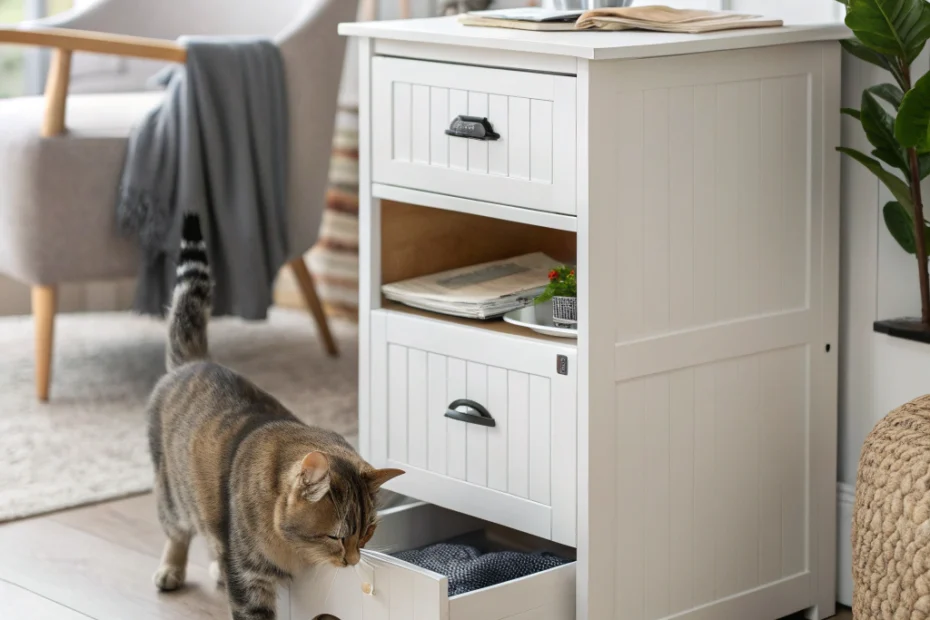
Finding the perfect balance between functionality and aesthetics can be challenging, especially when it comes to cat litter boxes. Cat litter box furniture hidden in plain sight offers a clever solution by seamlessly integrating into your home decor while maintaining a clean and inviting environment for your feline friend. In this article, you’ll learn about the benefits of these innovative designs and how to choose the best option for your household.
cat litter box furniture hidden at a Glance: Key Facts for Cat Owners
Cat litter box furniture hidden from view is a practical and stylish way to manage your cat’s hygiene needs. This type of furniture typically involves an enclosure or cabinet that houses the litter box, often with additional features like drawers or shelves for storage.
Here are some key points to consider:
- Blends with home decor for a seamless look.
- Reduces odor and mess with enclosed designs.
- Offers extra storage space for cat supplies.
- Can be more appealing to cats than traditional litter boxes.
How to Choose
When selecting cat litter box furniture, it’s essential to consider your cat’s needs and your home environment. Here are some factors to help guide your decision:
Size and Accessibility
Ensure the enclosure is spacious enough for your cat to move comfortably. Consider your cat’s size and age, as older cats may need easier access.
Design and Material
Choose a design that complements your home decor. Materials like wood or high-quality MDF can provide durability and a polished look.
Ventilation and Odor Control
Look for features like ventilation slots or carbon filters that help minimize odors and keep the litter box area fresh.
Additional Features
Some enclosures come with drawers or shelves, providing extra storage for litter, scoops, and other supplies.
Budget
Set a budget that balances cost with quality. While some options may be more expensive, they often offer greater durability and style.
Safety & Setup
Introducing cat litter box furniture to your home requires thoughtful setup to ensure safety and comfort for your cat. Begin by placing the furniture in a quiet, accessible area where your cat feels secure. Gradually introduce your cat to the new setup, allowing them to explore at their own pace.
Ensure the furniture is stable and won’t tip over. Check for any sharp edges or small parts that could pose a hazard, and make necessary adjustments to prevent injuries.
If your cat shows signs of discomfort or reluctance to use the new litter box, consider consulting your veterinarian for advice on acclimating your pet to the change.
Core Pillars
Successfully incorporating cat litter box furniture into your home involves understanding and applying a few core principles.
Consistency
Maintain a consistent location for the litter box to help your cat establish a routine.
Environment
Create a comfortable and stress-free environment by choosing a quiet area away from high-traffic zones.
Monitoring
Regularly check the litter box for cleanliness and monitor your cat’s behavior for any signs of distress or changes.
Gradual Change
Introduce new furniture slowly, allowing your cat time to adapt to the new surroundings.
Placement & Environment Tips
Strategic placement of cat litter box furniture can enhance both your home environment and your cat’s comfort. Here are some tips:
- Place the furniture in a quiet, low-traffic area to minimize stress.
- Avoid placing the litter box near loud appliances or in direct sunlight, which can cause discomfort.
- Ensure easy access for your cat, especially if the enclosure is in a room with a closed door.
- Keep the area clean and well-ventilated to maintain a fresh environment.
- Regularly change the litter and clean the enclosure to prevent odor build-up.
Comparison with Alternatives
While cat litter box furniture hidden designs offer many advantages, it’s important to compare them with traditional options to make an informed decision.
Traditional Litter Boxes
These are often more affordable and easier to clean but lack the aesthetic appeal and odor control of enclosed furniture.
Automatic Litter Boxes
Automatic options can reduce manual cleaning but may be noisier and more expensive. They might also require training for your cat to use them.
DIY Solutions
Creating your own litter box furniture can be cost-effective but requires time and skill to ensure safety and functionality.
FAQs
Will my cat use litter box furniture?
Many cats adapt well to litter box furniture, but introducing it gradually and ensuring it’s comfortable can help with the transition.
How do I clean litter box furniture?
Regularly scoop waste and wipe down the enclosure with pet-safe cleaners. Ensure the area is dry before adding new litter.
Can I use my existing litter box with furniture?
Most litter box furniture is designed to accommodate standard-sized boxes, but it’s essential to check dimensions before purchasing.
Does enclosed furniture reduce litter box odor?
Yes, enclosed designs with proper ventilation and odor control features can significantly reduce smells.
Is litter box furniture suitable for kittens?
Ensure the entrance is low enough for kittens to access easily. Monitor their use to ensure they are comfortable with the setup.
What if my cat is scared of the new furniture?
Gradually introduce the furniture and provide positive reinforcement. If the fear persists, consult a veterinarian.
Can litter box furniture fit in small spaces?
Yes, many designs are compact and versatile, making them suitable for small apartments or limited space areas.
What to Do Next
As you integrate cat litter box furniture hidden from view into your home, remember the key takeaways: choose a design that fits your decor and meets your cat’s needs, ensure safe and gradual introduction, and maintain a clean environment. Monitor your cat’s habits and comfort, adjusting as necessary, and always consider your veterinarian’s advice for any concerns.
Disclaimer: Always consult your veterinarian for personalized advice regarding your cat’s health.