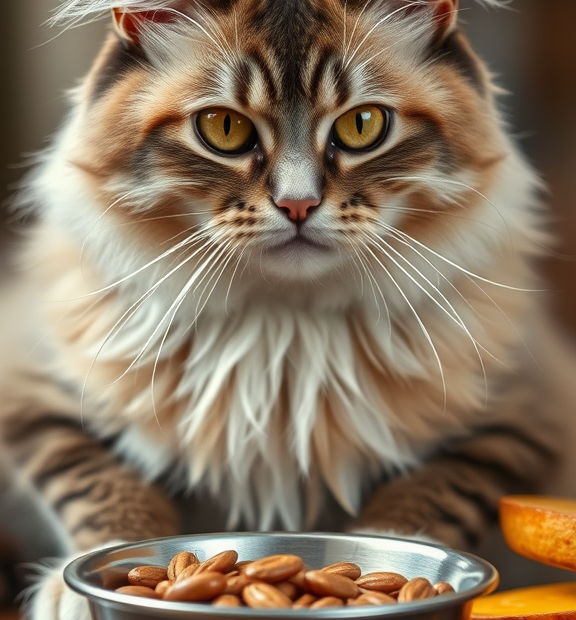
Understanding Why Your Ragdoll Cat Is Refusing Food: Common Causes and Early Signs
Why Is Your Ragdoll Cat Refusing Food?
Seeing your gentle Ragdoll cat turn away from their food can be concerning. Ragdolls are known for their calm and loving nature, so a sudden lack of appetite usually signals something is off. Cats often refuse food when facing discomfort, illness, or environmental changes. Recognizing the root causes early can help you address the issue before it becomes serious.
One primary reason your Ragdoll may refuse food is dental problems. Cats rely heavily on their mouth to eat, and pain from gum inflammation, tooth decay, or oral infections can make chewing unbearable. These problems often go unnoticed unless you look closely for signs like bad breath, pawing at the mouth, or drooling.
Another common cause of appetite loss is gastrointestinal upset. Issues like constipation, gastritis, or intestinal blockages can make your cat nauseous or uncomfortable, prompting them to avoid eating. Such conditions may also cause vomiting, diarrhea, or visible discomfort after meals.
Illnesses, particularly infections and organ dysfunction, can also suppress your Ragdoll’s appetite. For example, kidney disease, liver problems, or respiratory infections often lead to decreased hunger. Cats are masters at hiding pain, so subtle behavioral changes such as lethargy or reduced grooming can accompany a refusal to eat.
Stress and anxiety play a bigger role in feline eating habits than many realize. Ragdolls are sensitive to their surroundings, and changes like a new pet, relocation, or loud noises can disrupt their routine. A stressed cat may skip meals as a reaction to feeling insecure.
your cat’s food preferences or changes in diet could be the culprit. Ragdolls may refuse food if formulas change or if the food is stale or unappealing. Cats often develop strong preferences and might reject unfamiliar tastes or textures.
Signs to Watch For Early On
Catching early symptoms can help you act quickly to improve your Ragdoll’s well-being. Besides outright refusal to eat, look for these signs:
- Reduced interest in food: Sniffing food but walking away or eating less than usual.
- Weight loss: Noticeable thinning over days or weeks indicates prolonged appetite issues.
- Behavioral changes: Increased hiding, irritability, or less interaction with family members.
- Oral discomfort: Drooling, pawing at the mouth, or reluctance to be petted near the head.
- Vomiting or diarrhea: Gastrointestinal distress often accompanies appetite loss.
Steps You Can Take to Help Your Ragdoll Eat
If your Ragdoll cat refuses food, don’t panic but take action promptly. Here are several strategies that can make a difference:
- Check the food: Try offering fresh food with a strong aroma, like wet canned food or warming dry kibble slightly, as the scent can entice your cat to eat.
- Maintain a calm environment: Reduce stressors by providing a quiet, comfortable eating area away from loud noises and other pets.
- Examine dental health: Look for signs of pain or infection and schedule a vet visit if you suspect dental issues.
- Monitor hydration: Cats that refuse food often decrease water intake too. Keep fresh water available and consider offering broths to encourage hydration.
- Stick to routine: Feed at consistent times each day to create a reliable schedule that your Ragdoll can anticipate.
If these adjustments don’t improve your cat’s appetite within 24 to 48 hours, it’s important to consult your veterinarian. Ignoring prolonged food refusal can lead to serious complications like hepatic lipidosis, a dangerous liver condition common in cats that stop eating.
When to Seek Veterinary Assistance
You should seek professional help if your Ragdoll displays any of the following:
- Complete refusal to eat for more than two days
- Signs of pain when eating or swallowing
- Persistent vomiting or diarrhea
- Sudden weight loss or dehydration
- Extreme lethargy or changes in behavior
Your vet can perform a full physical exam, blood work, and possibly imaging studies to pinpoint the cause. Treatment might include medication, dental care, or special feeding methods to ensure your beloved Ragdoll regains their appetite and health.
Preventive Tips to Keep Your Ragdoll Eating Well
Prevention is often the best approach. Keeping your Ragdoll healthy and happy reduces their chances of food refusal:
- Provide a balanced, high-quality diet suited to their age and health
- Maintain regular veterinary check-ups focusing on dental health
- Keep feeding areas clean and quiet
- Introduce new foods gradually and observe for acceptance
- Monitor behavior closely for early signs of illness or distress
By understanding your Ragdoll cat’s unique needs and watching for warning signs, you can quickly address food refusal before it becomes a serious health issue.
Effective Solutions and Tips to Encourage Your Ragdoll Cat to Eat Again
Understanding Why Your Ragdoll Cat May Refuse Food
It can be worrying when your Ragdoll cat refuses to eat. These cats are known for being affectionate and food-motivated, so a sudden loss of appetite is often a sign that something is wrong. Before jumping to conclusions, it’s important to understand the common reasons behind this behavior.
The first cause often relates to health issues. Cats instinctively hide signs of illness, meaning your pet may refuse food if it’s feeling unwell. Dental problems, gastrointestinal issues, infections, or kidney disease are common culprits. Stress and environmental changes also impact feeding habits; Ragdoll cats are sensitive to shifts in their routine or surroundings. food preferences play a central role. Cats can be picky eaters, and sometimes the food’s flavor, texture, or temperature might not appeal to them.
Recognizing the Signs of Food Refusal Problems
If your Ragdoll cat is refusing food, you might notice other behaviors alongside it, such as:
- Excessive drooling or pawing at the mouth
- Reduced activity and increased sleep
- Weight loss or dehydration
- Vomiting or diarrhea
- Hiding and avoiding interaction
These signs suggest that the issue isn’t just about taste, but possibly health-related. A refusal to eat lasting more than 24 to 48 hours needs to be taken seriously.
Practical Tips to Encourage Eating
When your Ragdoll cat stops eating, your response can greatly influence how quickly they get back to their usual habits. Here are tried-and-tested strategies to encourage your furry friend to eat again:
1. Check with Your Vet
Always start by consulting your veterinarian. A professional checkup will rule out health issues that require medical treatment. Your vet may perform blood tests, examine dental health, or recommend imaging.
2. Offer Fresh and Appealing Food
Cats are driven by their sense of smell more than taste. Warming wet food slightly in the microwave can enhance its aroma, making it more tempting. Try offering a variety of flavors and textures – pate, shredded, or chunks – to see which your cat prefers.
3. Create a Calm Feeding Environment
A quiet and comfortable space free from loud noises and distractions will help your Ragdoll feel safe. Make sure the feeding area is clean and the bowls are washed regularly to avoid off-putting smells.
4. Stick to a Feeding Schedule
Cats thrive on routine. Offering smaller meals multiple times a day instead of one large meal might make food seem less overwhelming. A consistent schedule can stimulate their appetite over time.
5. Hand-Feeding to Rebuild Interest
Sometimes hand-feeding your cat can reassure her and encourage her to eat. Use small, soft pieces and speak gently to build trust around mealtime.
6. Introduce Tasty Toppers or Broth
Adding a bit of plain chicken broth or commercial cat food topper can entice your cat to eat. Choose options without onions or garlic, which are toxic to cats.
Adjusting Food Choices for Maximum Appeal
Ragdolls often prefer wet food due to its aroma and moisture content. Dry kibble can be less enticing if your cat is sick or not feeling well. Consider a gradual transition if changing food types to avoid upsetting the stomach.
If your cat is used to a specific brand or flavor, sudden changes might lead to refusal. Mix old and new food gradually over several days.
When to Seek Urgent Help
If your Ragdoll refuses food for beyond 48 hours, the risk of hepatic lipidosis — a dangerous liver condition — rises. In this situation, immediate veterinary intervention is crucial.
Also, watch for symptoms like persistent vomiting, severe lethargy, or difficulty breathing. These signs call for emergency care.
Final Recommendations for Long-Term Feeding Success
Encouraging your Ragdoll cat to eat again involves a combination of veterinary care, patience, and understanding your cat’s preferences. Here are some lasting tips to keep in mind:
- Regular vet checkups to catch early warning signs
- Keep food fresh and clean to maintain appeal
- Minimize stress by maintaining a stable environment
- Provide plenty of water to ensure hydration
- Observe and adjust food type and presentation based on your cat’s reactions
By paying close attention to your cat’s health and behavior, you can nip feeding problems in the bud and help your Ragdoll maintain a healthy appetite and joyful life.
Remember, being proactive and gentle with your pet during times of feeding struggles makes a huge difference. Your efforts will soon be rewarded with that happy, purring Ragdoll enjoying mealtime once again.
Conclusion
When your Ragdoll cat refuses food, it can be a sign that something is off—whether it’s stress, a health issue, or a sudden change in their environment. Recognizing the early signs, such as decreased interest in their favorite meals or unusual behaviors, is key to catching problems before they worsen. Taking the time to understand the root cause empowers you to act quickly and provide the right support your feline friend needs.
Encouraging a picky or reluctant Ragdoll to eat again often involves patience and a few practical steps. Offering a warm, aromatic meal, switching to different flavors or textures, and ensuring a calm feeding space can make a big difference. Sometimes, small lifestyle adjustments or consulting a vet to rule out medical issues are necessary to restore your cat’s appetite.
Remember, a healthy Ragdoll is usually a happy eater. By staying attentive and responsive to your cat’s behavior, you not only help them get back to their usual self but also strengthen the bond you share. Keep these tips handy whenever your furry companion shows signs of food refusal—it’s all about providing care that’s both compassionate and effective.