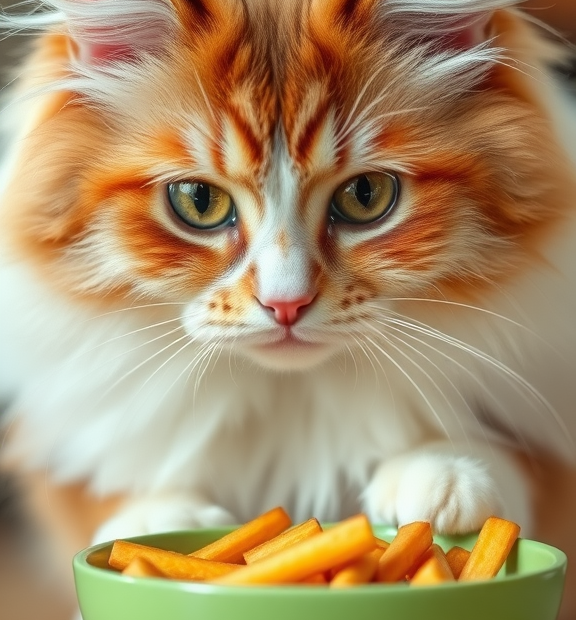
Common Reasons Why Your Ragdoll Is Skipping Meals and How to Identify Them
Understanding Changes in Your Ragdoll’s Appetite
It’s not unusual for cats, including Ragdolls, to occasionally skip meals. However, when you notice a consistent pattern of meal skipping, it’s essential to pay attention. A decreased appetite could signal underlying issues ranging from environmental changes to health complications. Since Ragdolls are known for their easy-going and sociable nature, ignoring food regularly isn’t typical behavior and deserves a closer look.
Health Problems That May Cause Meal Skipping
One of the primary reasons your Ragdoll might be avoiding meals is because of health issues. Here are some common health-related causes that affect their eating habits:
- Dental Problems: Cats with tooth pain or gum disease often refuse to eat. If chewing becomes painful, your Ragdoll may skip meals.
- Digestive Disorders: Conditions like nausea, constipation, or inflammatory bowel disease can reduce appetite.
- Infections and Illnesses: Viral or bacterial infections make cats less interested in food as their bodies focus on fighting off sickness.
- Kidney or Liver Disease: These chronic illnesses can dull your cat’s hunger cues, leading to skipped meals.
- Parasites: Intestinal parasites can cause discomfort and appetite changes.
If you suspect health problems, it’s essential to visit your veterinarian promptly. Early diagnosis and treatment can prevent complications and bring your Ragdoll back to their usual eating routine.
Behavioral and Environmental Triggers
Sometimes, the cause may not be medical but related to your cat’s environment or behavior. Understanding these factors can help you make adjustments and avoid stress in your pet’s life.
- Changes in Routine or Environment: Moving to a new home, new family members, or even rearranging furniture can unsettle your Ragdoll.
- Stress and Anxiety: Loud noises, other pets, or lack of attention can cause emotional distress, leading to appetite loss.
- Food Preferences and Quality: Cats can be picky eaters. Your Ragdoll may dislike the flavor, texture, or temperature of the food offered.
- Feeding Location and Dish Type: Some cats prefer quiet, private places to eat. A noisy environment or an uncomfortable food dish might discourage eating.
How to Identify Why Your Ragdoll Is Skipping Meals
To help your Ragdoll get back on track, observe their behavior carefully. Here are practical tips to identify what’s causing the meal skipping:
Monitor Eating Patterns
Track when and how often your Ragdoll eats. Consistent skipping during certain times or after specific events may indicate a problem area.
Watch for Additional Symptoms
Look out for signs like vomiting, diarrhea, lethargy, drooling, or unusual behavior. These clues can narrow down whether the issue is health-related.
Examine Their Food
Try different textures—wet food, dry kibble, or a mix—and note if your Ragdoll favors one over the others. Also, consider offering food at room temperature, as some cats prefer it.
Check the Environment
Ensure the feeding area is quiet and away from busy household zones. Remove any potential stress triggers like loud noises or other pets that may disrupt meal times.
Inspect Your Cat’s Mouth
If possible, gently check your Ragdoll’s teeth and gums for redness, swelling, or bad breath. If you notice anything unusual, a vet visit is warranted.
What You Can Do to Encourage Your Ragdoll to Eat
Once you have a better understanding of the cause behind meal skipping, implementing some straightforward strategies can help:
- Maintain a Consistent Feeding Schedule: Cats thrive on routine. Feed your Ragdoll at the same times every day.
- Enhance Food Appeal: Warm wet food to release aromas or add a small amount of tuna juice as a topper to entice eating.
- Create a Calm Eating Environment: Place food bowls in tranquil areas where your cat feels safe and undisturbed.
- Try Hand-Feeding: At times, offering food from your hand promotes bonding and encourages eating.
- Consult Your Veterinarian: Never hesitate to seek professional advice if meal skipping persists for more than 24-48 hours or is accompanied by other symptoms.
Preventive Care to Support Your Ragdoll’s Healthy Appetite
Prioritizing your Ragdoll’s overall well-being can reduce meal skipping incidents. Regular health check-ups, dental cleanings, and parasite control are essential. Additionally, engage your cat with play and affection to reduce stress, which supports stable eating habits.
By understanding the many reasons your Ragdoll may be skipping meals and applying these insights, you can act quickly to resolve the issue. Remember, a happy, healthy cat exhibits a healthy appetite, so your attentive care plays a vital role in keeping your Ragdoll thriving.
Effective Tips and Strategies to Encourage Your Ragdoll to Eat Regularly and Healthily
Why Your Ragdoll Might Skip Meals
If you notice your Ragdoll cat skipping meals, it can be worrying. These cats are known for their gentle and affectionate nature, but sometimes they might lose interest in food. Understanding why your Ragdoll might be avoiding its meals is the first step to helping them eat regularly and stay healthy.
Several factors can cause a Ragdoll to skip meals. Stress or changes in their environment, like moving to a new home or introducing a new pet, can affect their appetite. Health issues, such as dental problems, digestive upset, or even infections, might also reduce their desire to eat. Older Ragdolls might slow down on eating because of age-related changes.
Signs Your Ragdoll Needs Help with Eating
It’s important to identify early signs that your ragdoll is not eating well. Watch for behaviors like:
- Consistently refusing food for more than a day
- Weight loss or a thinner body frame
- Lethargy or decreased activity levels
- Vomiting or unusual stools
- Excessive drooling or pawing at the mouth (which could indicate dental pain)
If you notice any of these signs, it’s a good idea to consult your veterinarian to rule out medical causes.
How to Encourage Your Ragdoll to Eat Regularly
Here are some practical and effective ways to encourage your Ragdoll to maintain a healthy eating routine:
1. Create a Calm Feeding Area
Ragdolls are sensitive cats who prefer a quiet environment. Place their food bowl in a calm, low-traffic area of your home where they feel safe and undisturbed. Avoid locations near loud appliances or busy doorways.
2. Maintain a Consistent Feeding Schedule
Feeding your cat at regular times every day helps build a routine. Most cats, including Ragdolls, thrive on consistency. Try to offer meals twice a day around the same times to reinforce healthy eating habits.
3. Offer High-Quality, Palatable Food
Choose premium cat food designed for Ragdolls or similar breeds that meet their nutritional needs. Wet food is often more appealing due to its aroma and texture, which might entice a picky eater. You can also warm up the wet food slightly to enhance the smell, making it more irresistible.
4. Experiment With Different Textures and Flavors
Sometimes boredom with the same food can cause meal skipping. Try mixing wet and dry food, or offering different protein flavors like chicken, turkey, or fish. Observe which type your Ragdoll prefers and rotate options to keep meals exciting.
5. Keep Food Fresh and Clean
Make sure your cat’s dishes are cleaned daily and that food is fresh. Spoiled food can cause your feline to refuse meals, while a dirty bowl can be off-putting.
6. Hand-Feeding or Using Interactive Feeders
Some Ragdolls respond well to hand-feeding, which can strengthen the bond between you and encourage them to eat. Interactive feeders or puzzle toys also stimulate their mind and make mealtime more engaging.
Health and Behavioral Considerations
Sometimes, skipping meals is a symptom of deeper health or behavioral issues. If your Ragdoll consistently avoids food despite your best efforts, here are some things to consider:
Check for Dental Problems
Painful teeth or gums can make eating uncomfortable. Look for signs like drooling or difficulty chewing, and visit your vet for a dental checkup if needed.
Monitor Stress Levels
Stress can cause appetite loss. If there has been a significant change in your cat’s environment or routine, try to minimize disruptions and provide comfort. Use calming sprays or diffusers designed for cats to create a more relaxed atmosphere.
Watch for Underlying Illness
Gastrointestinal issues, kidney disease, or other illnesses can reduce appetite. If your cat’s meal skipping continues for more than 24-48 hours, a veterinary evaluation is crucial.
Additional Tips to Keep Your Ragdoll Eating Well
- Offer smaller, more frequent meals instead of one large portion to encourage steady eating.
- Limit treats to avoid spoiling your cat’s appetite for regular food.
- Ensure your Ragdoll has access to fresh water at all times to stay hydrated, which supports overall health.
- Be patient and observe; sometimes Ragdolls may eat less due to temporary reasons and bounce back quickly.
By understanding your Ragdoll’s unique preferences and potential challenges, you can apply these targeted strategies to help your furry friend enjoy their meals regularly and maintain good health. Remember, patience and attention are key to ensuring your Ragdoll gets back to their healthy eating habits 🍗✅.
Conclusion
Seeing your Ragdoll skip meals can be worrying, but understanding why it happens is the first step to helping your feline friend. Whether it’s due to stress, changes in environment, or health concerns, recognizing these common reasons will allow you to address the root cause effectively. Keeping a close eye on any shifts in behavior or appetite changes can prevent bigger issues from developing.
Once you’ve identified the why, applying practical tips makes all the difference. Offering fresh, tasty meals at regular intervals, experimenting with flavors and textures, and creating a calm feeding environment can encourage your Ragdoll to eat more consistently. Don’t forget to keep their water bowl full and ensure their diet is balanced and nutritious, which supports their overall health. Sometimes, small changes like warming the food slightly or providing interactive feeding toys can stimulate interest in mealtime again.
Ultimately, your patience and attentiveness can restore your Ragdoll’s eating habits. If you ever feel unsure, consulting with your vet is essential, especially if meal skipping continues. Remember, a happy, well-fed Ragdoll is a lively companion who thrives on your care and understanding. With the right approach, those skipped meals will become a thing of the past, allowing your beautiful cat to enjoy every bite once again.