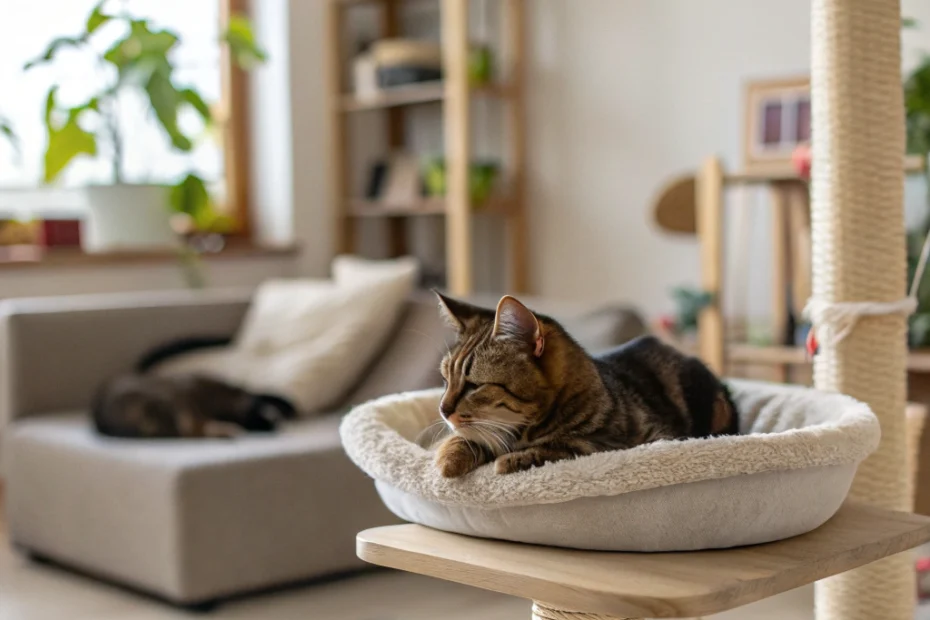
If you’re struggling with how to get cats to stop scratching on furniture, you’re not alone. Many cat owners face this challenge and seek effective ways to protect their home while ensuring their feline friends remain happy. In this article, you’ll discover why cats scratch and how to guide them towards more suitable options.
how to get cats to stop scratching on furniture at a Glance: Key Facts for Cat Owners
Understanding why cats scratch is key to addressing this behavior. Scratching is a natural activity that helps cats maintain their claws and mark their territory. By providing alternatives and addressing the root cause, you can help redirect this behavior.
- Scratching serves physical and emotional needs for cats.
- Providing the right cat furniture can redirect scratching habits.
- Consistency and patience are essential in changing a cat’s behavior.
How to Choose
Choosing the right cat furniture involves understanding your cat’s preferences and your home’s layout. Here are some factors to consider:
Material and Texture
Cats often have preferences for certain textures. Sisal, carpet, and cardboard are common materials that attract cats for scratching.
Size and Stability
Ensure the scratching post or furniture is tall and sturdy enough for your cat to stretch fully and scratch without it tipping over.
Location and Accessibility
Place the scratching post near the furniture your cat currently scratches to encourage the transition.
Safety & Setup
Introducing new cat furniture requires careful placement and encouragement. Here are steps to ensure a safe and inviting setup:
- Gradually introduce new items to avoid overwhelming your cat.
- Use positive reinforcement, such as treats or praise, when your cat uses the new furniture.
- Monitor your cat’s interactions to ensure they are using the furniture safely.
- If your cat shows signs of distress or injury, consult a veterinarian for guidance.
Core Pillars
To successfully redirect your cat’s scratching behavior, focus on these core pillars:
- Consistency: Maintain a consistent approach to redirecting scratching habits to new furniture.
- Environment: Create an enriching environment that includes a variety of textures and heights.
- Monitoring: Keep an eye on your cat’s behavior and adjust your strategy as needed.
- Positive Reinforcement: Reward your cat for using the desired furniture, reinforcing good habits.
Placement & Environment Tips
The placement of cat furniture can significantly influence your cat’s use of it. Consider these tips:
- Position scratching posts near windows or areas where your cat spends a lot of time.
- Ensure the furniture does not block pathways or create obstacles.
- Rotate toys and scratching surfaces to keep your cat engaged.
- Regularly clean and maintain the furniture to prevent odors and wear.
Comparison with Alternatives
There are several alternatives to traditional scratching posts, each with its benefits and limitations:
Scratching Pads
These are portable and can be placed in various locations. They are ideal for small spaces but may not provide the vertical space some cats prefer.
Wall-Mounted Scratchers
These save space and can be placed at different heights but require installation.
Cat Trees
Offering multi-level platforms, cat trees provide exercise and scratching surfaces but may be bulky for smaller homes.
FAQs
Why do cats scratch furniture?
Cats scratch to mark their territory, sharpen their claws, and stretch their bodies.
How can I stop my cat from scratching furniture?
Provide alternative scratching options and use deterrents on furniture.
What materials are best for scratching posts?
Sisal, carpet, and cardboard are commonly preferred by cats.
Should I trim my cat’s claws to prevent scratching?
Regular trimming can reduce damage but won’t change the behavior. Consult a vet for advice.
Can I use deterrent sprays to stop scratching?
Deterrent sprays may help but should be used alongside providing alternative scratch options.
Is declawing a solution to stop scratching?
Declawing is not recommended due to the pain and health issues it can cause for cats.
What to Do Next
Now that you understand how to get cats to stop scratching on furniture, it’s time to observe your cat’s behavior, provide alternative options, and be patient. Remember, change takes time, and your cat’s comfort is paramount. Working closely with your veterinarian can further support your efforts to ensure your cat’s needs are met.
Disclaimer: Always consult your veterinarian for personalized advice regarding your cat’s health.