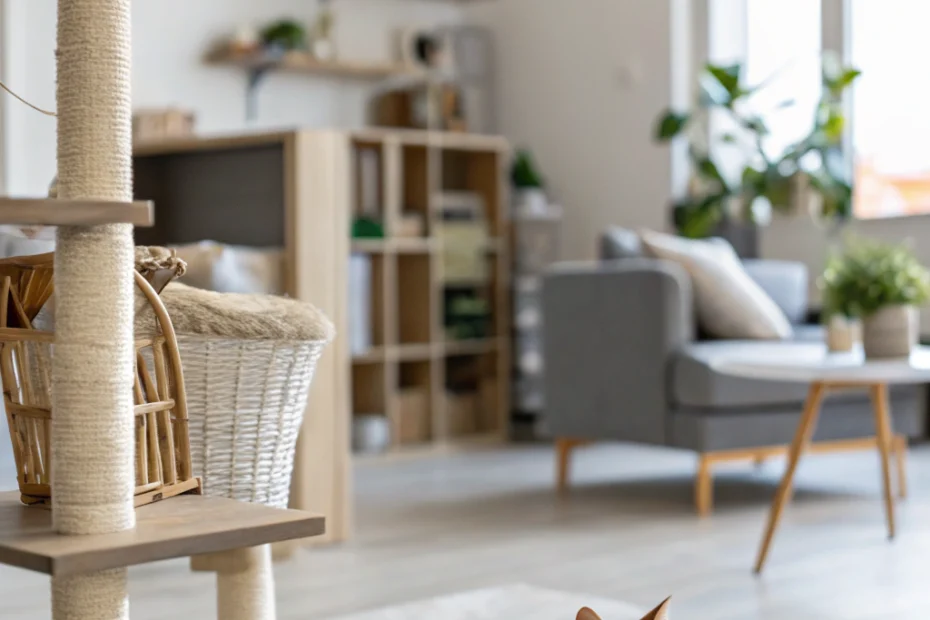
Dealing with a cat that scratches furniture can be frustrating, but understanding how to prevent cats from scratching furniture is essential for maintaining both your home and your relationship with your feline friend. This article provides practical tips and insights to help you manage this natural behavior effectively.
how to prevent cats from scratching furniture at a Glance: Key Facts for Cat Owners
Cats often scratch to mark their territory, exercise, and maintain their claws. While it may seem destructive, it’s a natural behavior that can be redirected.
Here are some key points to consider:
- Scratching is a normal and healthy behavior for cats.
- Providing appropriate outlets like scratching posts can help.
- Environmental enrichment and positive reinforcement are crucial.
How to Choose
When selecting solutions to prevent your cat from scratching furniture, consider your cat’s age, preferences, and the layout of your home. Here are some factors to guide you:
Age and Activity Level
Younger cats may require more stimulation and a variety of scratching surfaces. Older cats might benefit from softer materials that are easier on their claws.
Preference and Texture
Observe your cat’s current scratching habits. Do they prefer rough textures like sisal or softer options like carpet?
Home Setup and Space
Consider the space available in your home. Vertical posts or horizontal scratchers may suit different areas better.
Safety & Setup
Introducing new scratching posts or deterrents should be done safely. Here are some tips to ensure a smooth setup:
- Gradual Introduction: Place new items near areas your cat already frequents.
- Secure Installation: Ensure posts and furniture are stable to avoid accidents.
- Monitor Behavior: Observe changes in your cat’s scratching habits and adjust as needed.
Core Pillars
To successfully prevent cats from scratching furniture, focus on these core pillars:
- Provide Alternatives: Offer a variety of scratching surfaces.
- Positive Reinforcement: Reward your cat for using designated scratching posts.
- Consistency: Maintain a routine that encourages appropriate scratching behavior.
- Environmental Enrichment: Keep your cat engaged with toys and activities to reduce boredom.
Placement & Environment Tips
Strategic placement of scratching posts and creating a cat-friendly environment can significantly impact your success:
- High-Traffic Areas: Place scratching options in areas where your cat spends most of their time.
- Near Furniture: Position posts near furniture to offer a nearby alternative.
- Multiple Options: Provide several scratching surfaces to cater to your cat’s preferences.
Comparison with Alternatives
When considering how to prevent cats from scratching furniture, compare different methods:
- Scratching Posts vs. Deterrent Sprays: Posts provide a positive outlet, while sprays may discourage certain behaviors.
- Declawing vs. Trimming: Declawing is not recommended due to health risks, while regular trimming can maintain claw health.
Choose the approach that aligns with your cat’s needs and your home environment.
FAQs
Why do cats scratch furniture?
Cats scratch to mark territory, sharpen claws, and exercise. It’s a natural behavior that can be redirected.
What types of scratching posts are most effective?
Posts with sisal rope, carpet, or cardboard tend to be popular with cats. The key is to offer a variety of textures.
How can I encourage my cat to use a scratching post?
Place the post in a favored area, use catnip to attract your cat, and praise them when they use it.
Is declawing a good solution?
Declawing is generally discouraged as it can cause long-term health and behavioral issues.
Can trimming my cat’s claws help?
Yes, regular trimming can reduce damage to furniture and is a safe, humane option.
What to Do Next
Preventing cats from scratching furniture involves understanding their needs and providing suitable alternatives. Monitor your cat’s behavior, adjust your approach as necessary, and maintain a positive environment. Partnering with your veterinarian can also provide additional support and recommendations tailored to your cat’s specific needs.
Disclaimer: Always consult your veterinarian for personalized advice regarding your cat’s health.