At-a-Glance
Hairballs are a common issue for many cats, often resulting from their grooming habits. While hairballs are a natural occurrence, they can sometimes cause discomfort or lead to more serious health concerns. Understanding how to manage and control hairballs can help keep your feline friend healthy and comfortable. This guide explores various methods and considerations for hairball control for cats, providing you with the knowledge to support your pet’s well-being.
How to Choose
When selecting products or methods for hairball control, consider your cat’s specific needs and preferences. Here are some factors to keep in mind:
- Dietary Options: Certain cat foods are formulated to help manage hairballs. These foods often contain fiber, which may support the digestive system in passing hair through the tract.
- Grooming Tools: Regular grooming can reduce the amount of loose hair your cat ingests. Brushes and combs designed for cats can be effective in minimizing shedding.
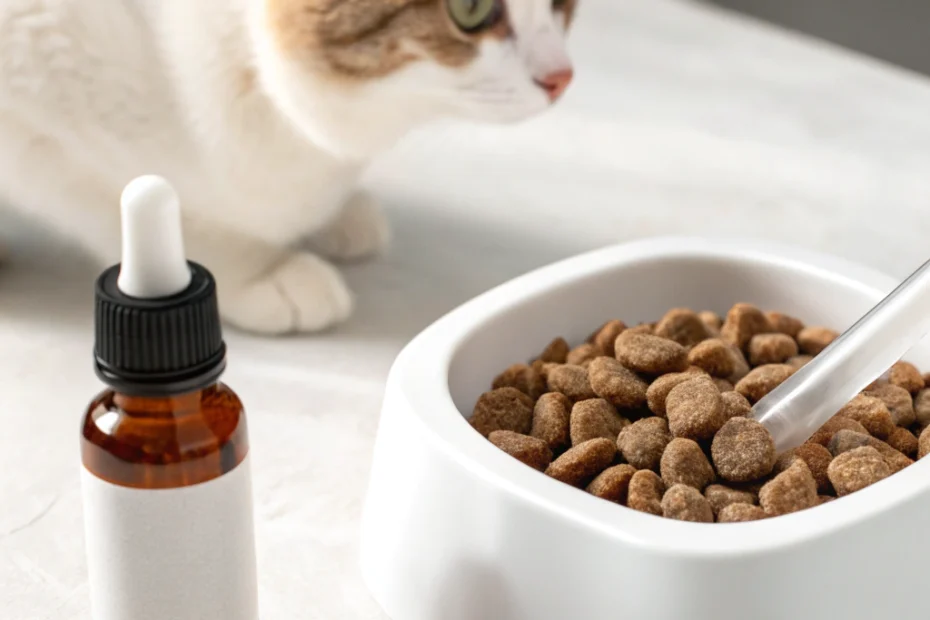
- Supplements: Supplements are commonly used for hairball control. They may include ingredients that support digestion and reduce hairball formation.
- Cat’s Age and Health: Consider your cat’s age and any existing health conditions. Some products may be more suitable for kittens, adults, or senior cats.
Safety & Setup
Ensuring the safety of your cat is paramount when implementing hairball control methods. Here are some safety tips:
- Consultation: Before introducing new foods or supplements, consult with your veterinarian to ensure they are appropriate for your cat.
- Monitor Reactions: Observe your cat for any adverse reactions when trying new products. If you notice any unusual symptoms, contact your vet immediately.
- Proper Usage: Follow the manufacturer’s instructions for any products you use. Overuse or misuse can lead to health issues.
Core Pillars
Effective hairball control relies on several core pillars:
- Regular Grooming: Frequent brushing reduces the amount of loose hair your cat ingests, which can help prevent hairballs.
- Balanced Diet: A diet rich in fiber can support digestive health and help move hair through the digestive tract.
- Hydration: Ensure your cat has access to fresh water at all times, as proper hydration can aid digestion.
- Environmental Enrichment: Providing toys and activities can reduce stress and promote overall health, potentially impacting hairball frequency.
Placement & Environment Tips
The environment in which your cat lives can influence hairball formation. Consider these tips:
- Clean Living Space: Regularly clean your home to reduce the amount of loose hair and dander.
- Comfortable Grooming Area: Set up a comfortable space for grooming sessions to make the experience enjoyable for your cat.
- Stress Reduction: Minimize stressors in your cat’s environment, as stress can impact grooming habits and hairball formation.
Comparison with Alternatives
There are various approaches to managing hairballs, each with its own benefits and considerations:
- Dietary Changes: Special hairball control diets can be effective but may take time to show results.
- Grooming Tools: Regular grooming is a proactive approach but requires consistency and effort.
- Supplements: These can be a convenient option but should be used with veterinary guidance.
- Natural Remedies: Some owners explore natural remedies, though their effectiveness can vary.
FAQs
Here are some frequently asked questions about hairball control for cats:
What causes hairballs in cats?
Hairballs are caused by the ingestion of loose hair during grooming. Cats have tiny barbs on their tongues that catch loose hair, which they then swallow.
How often should I groom my cat?
Grooming frequency depends on your cat’s coat type. Long-haired cats may require daily grooming, while short-haired cats may only need grooming once a week.
Are hairballs dangerous?
While hairballs are usually harmless, they can sometimes cause blockages or other health issues. If your cat frequently vomits hairballs or shows signs of distress, consult your veterinarian.
What to Do Next
Now that you have a better understanding of hairball control for cats, consider assessing your cat’s current grooming and dietary habits. If you suspect your cat is struggling with hairballs, consult your veterinarian for personalized advice. They can help you determine the best approach for your cat’s specific needs. Remember, maintaining a regular grooming routine and providing a balanced diet are key steps in supporting your cat’s health.
Disclaimer: Always consult your veterinarian for personalized advice regarding your cat’s health.