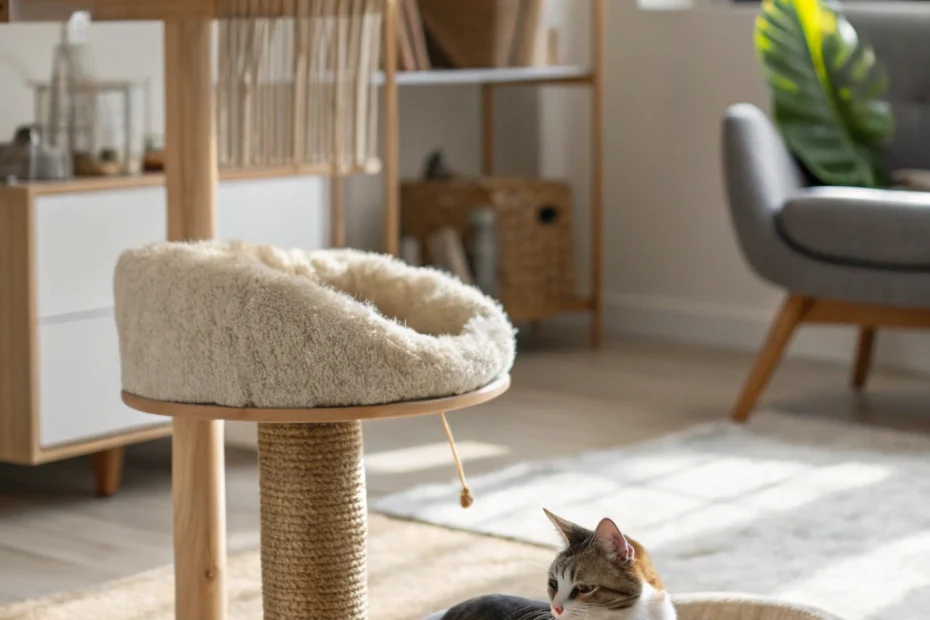
If you’re struggling with how to stop cat from scratching furniture, you’re not alone. Many cat owners face this challenge, as scratching is a natural behavior for cats. In this article, you’ll learn practical solutions to protect your furniture while keeping your feline friend happy and healthy.
how to stop cat from scratching furniture at a Glance: Key Facts for Cat Owners
Understanding why cats scratch is the first step in addressing the problem. Scratching is essential for cats to maintain their claws, mark territory, and stretch their muscles. Here are some key points to consider:
- Scratching is a natural behavior that serves multiple purposes for cats.
- Providing appropriate alternatives can redirect this behavior.
- Consistency and patience are crucial in training your cat.
How to Choose
Selecting the right tools and strategies to deter your cat from scratching furniture involves several factors. Consider your cat’s age, personality, and specific needs. Here’s how you can choose effectively:
Age and Activity Level
Kittens and young cats are usually more active and may require more scratching outlets than older cats. Older cats might prefer softer surfaces due to joint discomfort.
Space and Home Setup
Assess the available space in your home for placing scratching posts or pads. Ensure these are easily accessible to your cat.
Budget Considerations
Scratching solutions range from simple cardboard pads to elaborate cat trees. Choose an option that fits your budget while meeting your cat’s needs.
Safety & Setup
Ensuring the safety of your cat and your home environment is paramount when introducing new scratching solutions. Here’s how you can set up safely:
Start by placing scratching posts in areas where your cat already likes to scratch. This may encourage them to use the posts instead. Make sure any new cat furniture is stable and won’t tip over, as this could scare your cat or cause injury.
Consider using double-sided tape or aluminum foil on furniture as a deterrent, but monitor your cat’s reaction closely to prevent stress.
Core Pillars
Successfully stopping your cat from scratching furniture relies on several core principles:
- Consistency: Reinforce the behavior you want to see by consistently redirecting your cat to appropriate scratching alternatives.
- Environment: Create a stimulating environment with varied scratching options, such as vertical and horizontal surfaces.
- Monitoring: Keep an eye on your cat’s behavior to adjust your approach as needed.
- Positive Reinforcement: Reward your cat with treats or affection when they use the correct scratching surfaces.
Placement & Environment Tips
Strategic placement of scratching posts and pads can greatly influence their effectiveness. Place these items near your cat’s favorite resting spots or where they have already scratched. This encourages them to use the new items.
Ensure that the scratching surfaces are varied in texture and height. Some cats prefer sisal rope, while others might enjoy carpet or cardboard. Observing your cat’s preference can guide your choices.
Comparison with Alternatives
There are various methods to stop your cat from scratching furniture. Here’s how they compare:
- Scratching Posts vs. Deterrent Sprays: Posts offer a positive outlet for scratching, while sprays deter the behavior. A combination of both may be effective.
- Soft Claws vs. Regular Clipping: Soft claws cover the nails to prevent damage, whereas regular clipping keeps nails short but requires frequent maintenance.
- Environmental Enrichment vs. Declawing: Environmental enrichment is a humane alternative to declawing, providing mental and physical stimulation to discourage destructive scratching.
FAQs
Why do cats scratch furniture?
Cats scratch furniture to maintain their claws, mark territory, and stretch their muscles. It’s a natural and necessary behavior.
How can I encourage my cat to use a scratching post?
Place the scratching post in a favorite spot and use catnip or toys to attract your cat. Reward them for using the post.
Are there specific materials that cats prefer for scratching?
Many cats prefer sisal rope, cardboard, or carpet. Offering a variety of textures can help you determine your cat’s preference.
What if my cat ignores the new scratching post?
If your cat ignores the post, try relocating it or changing its texture. Patience and persistence are key.
Is declawing a good solution?
Declawing is not recommended due to its potential harm and behavioral consequences. Consider safer alternatives.
What to Do Next
Now that you have a better understanding of how to stop your cat from scratching furniture, observe your cat’s behavior and adjust your approach as needed. Be patient and consistent, and consult your veterinarian if you have concerns about your cat’s scratching habits or overall health.
Disclaimer: Always consult your veterinarian for personalized advice regarding your cat’s health.