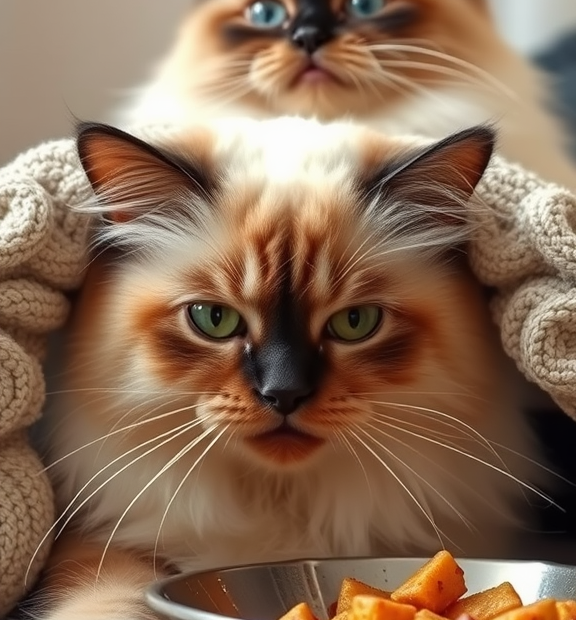
10 Signs Your Ragdoll Cat Is Hiding a Cat Eat Problem — How to Recognize and Respond
Ragdoll cats are known for their gentle nature and affectionate demeanor, making them beloved companions for many pet owners. However, their calm exterior can sometimes mask underlying health problems, especially those related to eating habits. Recognizing when your Ragdoll is struggling with a cat eat problem is crucial for their well-being. Here are 10 signs that your feline friend may be hiding an issue, along with practical advice on how to help them.
1. Sudden Loss of Appetite
If your Ragdoll suddenly refuses to eat or shows significantly less interest in meals, it may be a red flag. Cats are often secretive about discomfort, and decreased appetite can indicate dental pain, digestive issues, or other illnesses. Monitoring how long this lasts and if other symptoms accompany this behavior is essential.
2. Weight Loss Despite Normal Food Intake
When your cat maintains regular eating habits but loses weight, it could point to internal problems such as parasites, malabsorption, or chronic diseases. Regular weight monitoring helps catch this early before it becomes serious.
3. Excessive Drooling or Pawing at the Mouth
These signs can suggest oral discomfort. Cats with dental disease, mouth ulcers, or injuries might be reluctant to chew their food properly. Pay close attention to whether your Ragdoll avoids dry food or seems hesitant while eating.
4. Vomiting After Meals
Occasional hairballs might cause vomiting, but frequent vomiting after eating is cause for concern. It could be the result of gastritis, food intolerance, or gastrointestinal obstruction. If your cat vomits regularly, consult your veterinarian promptly.
5. Changes in Eating Speed and Behavior
When your Ragdoll starts eating either too quickly or very slowly compared to usual, it might be coping with discomfort or stress around feeding time. Quick eating could also signal competition between pets or anxiety.
6. Hiding or Avoiding Feeding Areas
Cats may retreat to quiet, hidden corners to eat when feeling stressed or unwell. If your Ragdoll suddenly refuses to eat in their usual spot or hides after meals, this behavior may reflect underlying problems requiring your attention.
7. Excessive Meowing or Vocalization
Vocalizing more than usual around mealtime can mean your cat is hungry due to insufficient food, but it might also signify discomfort or pain associated with eating. Understanding your cat’s normal patterns helps differentiate between these causes.
8. Diarrhea or Changes in Stool Consistency
Digestive upset often accompanies eating problems. If you notice loose stools, changes in frequency, or blood in stool, this indicates gastrointestinal distress potentially linked to diet or health issues.
9. Lethargy or Lack of Energy
A decrease in activity along with altered eating habits can suggest systemic illness. Low energy levels might be your cat’s way of conserving strength when feeling unwell, signaling a visit to the vet is necessary.
10. Overeating or Binge Eating
On the other end of the spectrum, excessive eating can indicate medical conditions such as hyperthyroidism or diabetes. If your Ragdoll’s eating behavior becomes compulsive or chaotic, it deserves further evaluation.
How to Respond if You Notice These Signs
Taking prompt action can improve your cat’s health and comfort. Try these strategies:
- Monitor and Record: Keep a daily journal of your cat’s eating habits, weight changes, and any other symptoms to share with your vet.
- Dietary Adjustments: Consider offering softer food if dental issues are suspected, or hypoallergenic diets if food sensitivity is suspected.
- Ensure a Stress-Free Environment: Provide quiet, comfortable feeding areas away from noise or other pets to reduce anxiety.
- Hydration: Encourage water intake to help digestion and overall health, especially if vomiting or diarrhea occurs.
- Veterinary Care: Schedule a thorough veterinary checkup for proper diagnosis and treatment, including dental exams and lab tests.
Your Ragdoll’s subtle changes in their eating behavior might be the only way they communicate distress. Watching closely and responding quickly not only helps detect hidden problems early but also promotes a longer, happier life for your feline friend.
Practical Steps to Support Your Ragdoll Cat’s Health When Facing Eating Challenges
Recognizing Early Signs of Eating Difficulties in Your Ragdoll Cat
Ragdoll cats are known for their gentle temperament and affectionate nature, but when it comes to eating, subtle changes in their behavior may hint at underlying health problems. Spotting early signs of eating challenges can help you provide timely care. Watch for reduced appetite, frequent gagging, or reluctance to chew food. Notice if your cat seems hyperactive after meals or only picks at certain types of food. These behaviors might indicate pain or discomfort related to eating.
If you observe your Ragdoll is dropping food while eating or pawing at their mouth, it could mean dental issues are causing difficulties. Likewise, sudden weight loss over several days or changes in their water intake are red flags to take seriously. Being attentive to these cues ensures you can intervene before the problem worsens.
Creating a Supportive Feeding Environment
Cats, especially Ragdolls, can be sensitive to their surroundings during mealtime. Providing a calm, stress-free feeding area encourages better eating habits. Avoid placing food bowls near noisy appliances or busy walkways. Instead, select a quiet corner where your cat feels safe.
Use shallow, wide dishes to accommodate their whiskers and prevent irritation. Elevated bowls can also help if your cat is older or has joint stiffness, making eating less painful. Offer meals consistent in timing to create a routine that your pet will anticipate positively.
Trying multiple feeding setups helps identify what your cat prefers, which can improve their food intake dramatically.
Choosing the Right Food for Your Ragdoll
Diet plays a crucial role in managing eating problems. If your Ragdoll shows reluctance to eat, consider slowing switching to highly palatable, easily digestible options. Wet food is often easier to chew and digest than dry kibble, especially if your cat has dental pain or mouth sores.
Look for high-quality protein sources, moderate fat content, and limited fillers like grains or artificial additives. Avoid radical diet changes without veterinary advice; instead, gradually introduce new foods over several days.
You might also try warming wet food slightly to enhance aroma and appeal. a bit of water or low-sodium broth can increase moisture, especially important if your cat isn’t drinking enough fluids.
Monitoring and Managing Dental Health
Dental pain is a common but overlooked reason behind eating difficulties in Ragdoll cats. These cats can develop conditions like gingivitis or tooth resorption, making chewing painful and causing them to avoid certain textures.
Regular dental checks by your vet are essential. You can also observe your cat for bad breath, excessive drooling, or pawing at the face—signs that dental issues might be present.
Maintaining dental hygiene through specially designed cat dental chews or brushing (if possible) supports overall mouth health. When dental disease is diagnosed, your veterinarian will provide treatment recommendations that can greatly improve your cat’s comfort during meals.
Hydration and Its Role in Digestive Comfort
Proper hydration is vital when dealing with eating problems. Dry food alone can lead to dehydration, making digestion more difficult and causing discomfort. Encourage your Ragdoll to drink more by providing fresh water daily and possibly adding water fountains, which entice cats to drink through moving water.
Incorporate wet food into their diet to boost moisture intake. Cats with eating difficulties may sometimes refuse dry food but enjoy wet canned varieties because of the texture and moisture content.
Dehydration can worsen some medical issues, so monitoring fluid intake is a key part of managing your cat’s health.
When to Seek Veterinary Care
If your Ragdoll’s eating problems persist for more than 24 to 48 hours, or you notice symptoms like vomiting, lethargy, or significant weight loss, it’s time to visit your veterinarian. Professional evaluation is crucial in diagnosing issues such as infections, gastrointestinal diseases, or more serious systemic conditions.
Your vet may recommend diagnostic tests like blood work, dental exams, or imaging to identify the root cause. Early treatment tailored to the cause can dramatically improve your cat’s quality of life.
Providing Comfort and Emotional Support
Eating difficulties can be distressing for both you and your Ragdoll cat. Offering affection and patience during feeding times helps reduce stress, which can otherwise worsen appetite problems. Speak softly, maintain gentle eye contact, and avoid rushing mealtime.
Consider hand-feeding small amounts if your cat feels weak or insecure eating alone. This interaction can strengthen your bond while encouraging your cat to eat.
Additional Tips to Encourage Healthy Eating
- Portion Control: Feed smaller, frequent meals to prevent overwhelming your cat.
- Flavor Variety: Occasionally try different flavors or brands to spark interest but avoid drastic changes.
- Keep Food Fresh: Refrigerate opened wet food and serve at appropriate temperatures.
- Offer Safe Treats: Use healthy, vet-approved treats to encourage eating but limit quantity.
- Observe Behavior: Keep a journal of eating patterns and any signs of discomfort to share with your vet.
Consistent care, attention, and prompt action can help your Ragdoll overcome eating challenges and maintain a healthy, joyful life. By understanding the signals and adapting your approach, you support not only their nutrition but also overall well-being.
Conclusion
Recognizing the subtle signs that your Ragdoll cat may be hiding an eating problem is crucial for their well-being. From changes in appetite to unusual behavior around mealtime, these indicators often go unnoticed but can point to underlying health issues. By paying close attention to these 10 warning signs, you can act early and prevent more serious complications. Your cat relies on you to provide not just food but also attentive care that ensures their nutritional needs are met consistently.
Taking practical steps when your Ragdoll faces eating challenges is equally important. Simple measures like adjusting their diet, offering smaller and more frequent meals, or consulting your veterinarian for tailored advice can make a significant difference. Supporting your cat emotionally during this time—by maintaining a calm feeding environment and showing patience—helps reduce stress, which often contributes to eating difficulties.
Remember, every Ragdoll cat is unique, and addressing eating problems requires a thoughtful, observant approach. By combining awareness of key signs with proactive health support, you can help your furry friend maintain a happy, healthy life. Being vigilant and responsive not only keeps your Ragdoll well-nourished but also strengthens the special bond you share. When you know what to look for and how to help, you become your cat’s best advocate on the journey to better health.