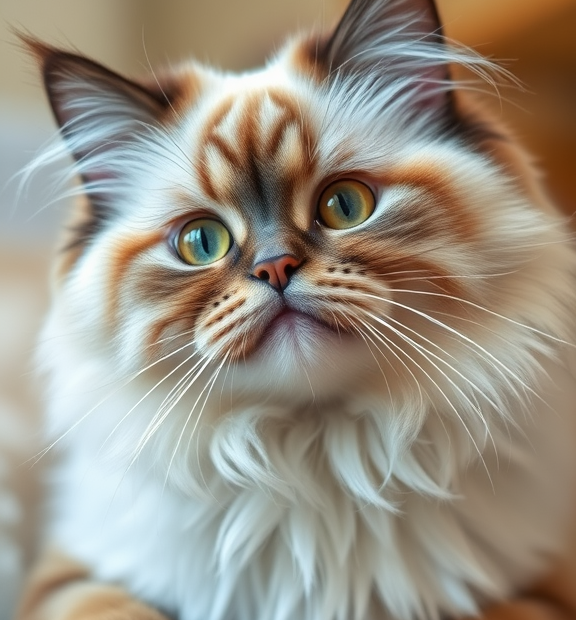
From Plush to Picky: Understanding Why Your Ragdoll Cat Develops Eating Problems
Why Do Ragdoll Cats Become Picky Eaters?
Ragdoll cats are known for their plush fur, calm demeanor, and affectionate nature. However, many owners notice that what starts as a healthy appetite can shift to a finicky and selective eating behavior. Understanding why a Ragdoll transitions from plush to picky is essential to keep your furry friend healthy and happy.
Several factors can cause your Ragdoll to develop eating problems. These include physical health issues, changes in environment, behavioral reasons, and even the quality or type of food provided. Recognizing these reasons early can help you pinpoint the cause and take swift, effective action.
Common Causes of Eating Problems in Ragdoll Cats
1. Medical Issues
Sometimes, a sudden change in eating habits signals an underlying health problem. Dental pain, gastrointestinal upset, or infections can make eating uncomfortable or unappealing. Diseases like kidney problems or hyperthyroidism can also influence appetite and food preference.
If your Ragdoll is refusing food, has weight loss, vomiting, diarrhea, or lethargy alongside picky eating, a vet visit is crucial to rule out any medical issues.
2. Food Sensitivities and Allergies
Ragdolls can develop sensitivities to certain ingredients in their food. Proteins, grains, or artificial additives might trigger digestive problems or skin reactions. These discomforts can make your cat avoid or refuse food, especially if the same diet has been fed for a long time without variation.
3. Environment and Stress Factors
Cats are creatures of habit, and Ragdolls especially thrive in calm, stable environments. Stress caused by moving, new pets, household changes, or loud noises can impact their appetite. If your cat suddenly becomes picky, reflecting on recent environmental changes might reveal stress triggers influencing their eating habits.
4. Food Quality and Texture Preferences
Ragdoll cats can be particular about the texture, flavor, and freshness of their food. Some prefer wet food over dry, or vice versa. Over time, if the food quality decreases or changes in recipe occur, your cat might reject it. Cats are also sensitive to food temperature; serving food straight from the fridge might be less appealing.
How to Address Your Ragdoll’s Eating Problems Effectively
Observe and Track Eating Habits
Monitor how much and when your Ragdoll eats daily. Keep a journal of their food types, quantity, and any reactions such as vomiting or refusal. Tracking these details helps identify patterns or specific triggers for picky eating.
Consult Your Veterinarian
If your cat is showing persistent eating issues, it’s wise to visit a vet. A thorough physical examination, dental check, and possibly blood tests will help identify underlying health problems affecting appetite.
Gradually Introduce New Foods
When switching diets, introduce new food slowly over 7 to 10 days, mixing it with the current diet. Rapid changes can upset your cat’s digestion and cause refusal. Offering a variety of flavors and textures can give your Ragdoll choices without overwhelming them.
Ensure Proper Feeding Environment
Create a quiet, comfortable space for your cat to eat without disturbances. Avoid placing food near their litter box or noisy areas. Regular feeding schedules with fresh food servings will encourage better eating habits and reduce fussiness.
Enhance Food Appeal
Warming wet food slightly can release aromas that attract your cat. Adding small amounts of tasty toppers like broth or cooked chicken can make meals more enticing. Feeding smaller portions more frequently may also help a picky cat feel less overwhelmed.
Preventive Tips for Maintaining a Healthy Appetite
- Keep regular vet check-ups to catch any illnesses early.
- Offer balanced, high-quality cat food that meets nutritional needs.
- Maintain a consistent feeding routine.
- Limit sudden changes in diet unless recommended by your vet.
- Provide fresh water and consider wet food to increase hydration.
Remember, your Ragdoll relies on you to spot changes and act promptly for their well-being. By understanding the reasons behind their picky eating behavior and taking thoughtful steps, you can help steer your plush companion back to a healthy, happy mealtime routine.
Effective Solutions and Tips to Encourage Healthy Eating Habits in Your Ragdoll Cat
Understanding Your Ragdoll’s Eating Challenges
Ragdoll cats are known for their plush coats and gentle personalities. However, many owners notice that their once eager eaters turn into picky nibbles over time. Understanding why your ragdoll develops eating problems is the first step in helping them maintain a healthy diet.
Several factors can cause a ragdoll cat to become fussy about food. These include changes in taste preferences, health issues, or environmental stressors. Aging can alter their sense of smell and taste, making familiar meals less appealing. Dental problems might cause discomfort while chewing, leading to reduced appetite. Stressful changes in the home, like loud noises or new pets, may also interfere with their feeding habits.
Why Consistent Nutrition Matters for Ragdolls
Ragdoll cats require a diet rich in high-quality protein to support their muscular build and maintain their coat’s lush appearance. Poor eating habits can lead to nutrient deficiencies, resulting in lethargy, weight loss, or even skin conditions. Encouraging healthy eating habits ensures your ragdoll remains vibrant and energetic.
Practical Tips to Encourage Eating in Your Fussy Ragdoll
Maintaining consistent feeding routines and offering appealing food options might be the key to overcoming your cat’s picky eating behavior. Here are practical strategies you can try at home:
1. Establish a Regular Feeding Schedule
Cats thrive on routine. Feeding your ragdoll at the same times daily can create anticipation and reduce anxiety around meal times. Avoid free feeding, as leaving food out all day can cause them to lose interest.
2. Warm Up Their Food
Heating wet food slightly can release aroma and enhance flavor, making it more tempting. Aim to serve food at about body temperature—this mimics the warmth of freshly hunted prey, which can appeal to your cat’s natural instincts.
3. Offer Variety and Rotation
Rotating different flavors and textures of food can keep mealtime exciting for your ragdoll. Try alternating between pate, chunks in gravy, and dry kibble to discover their preferred types. Introduce new options slowly to avoid digestive upset.
4. Maintain Fresh Water Availability
Proper hydration is vital, especially if your cat favors dry food. Some cats drink less water; try using water fountains to encourage regular drinking behavior, supporting overall health alongside eating.
5. Minimize Stress During Meals
Create a calm and quiet feeding environment. Avoid loud noises and high-traffic areas during mealtime. Providing a separate, comfortable space for your ragdoll to eat can promote relaxation and better appetite.
Addressing Health Issues Impacting Appetite
If your ragdoll’s picky eating persists despite your efforts, it might indicate underlying health concerns. Common problems such as dental disease, gastrointestinal issues, or infections can dull appetite or cause pain when eating. Schedule a veterinary checkup to rule out medical causes.
Your vet might recommend dental care, prescribe medications, or suggest special diets formulated to be palatable and gentle on the stomach. Keeping up with regular health exams can prevent minor issues from turning into serious eating problems.
Healthy Treats and Supplements for Dietary Support
Offering healthy treats in moderation can encourage eating but avoid filling snacks that reduce their hunger for main meals. Choose treats made specifically for cats and monitor overall calorie intake.
Supplements such as omega-3 fatty acids can improve coat condition and appetite. Probiotics may aid digestion and promote gut health, enhancing food absorption and interest. Always consult your vet before adding supplements to your ragdoll’s diet.
Building Positive Eating Experiences
Pair feeding times with gentle interaction and praise. Some ragdolls respond well to mealtime play with toys that simulate hunting behavior. This mental stimulation can rekindle their natural desire to eat.
Avoid forcing food or punishing refusals; negative experiences can increase food aversion. Patience is essential—gradually encourage your cat to explore new foods while consistently supporting their needs.
Key Takeaways to Support Your Ragdoll’s Eating Habits
- Stick to a regular feeding schedule to build routine and reduce anxiety.
- Enhance food appeal by warming and varying flavors and textures.
- Ensure a calm feeding area free from distractions or stress.
- Consult your veterinarian to exclude medical causes for poor appetite.
- Use healthy treats and supplements wisely to encourage interest in food.
- Engage your ragdoll with positive mealtime interactions.
By dedicating time and attention to your ragdoll’s eating needs, you can help transform their picky habits into steady, healthy eating behaviors. This strengthens their well-being and keeps their enchanting personality as plush and vibrant as ever.
Conclusion
Your Ragdoll cat’s shift from a plush, easy eater to a picky diner can feel frustrating, but understanding the reasons behind this change is the first step toward a happier mealtime. Whether it’s due to their sensitive palate, health issues, or environmental factors, recognizing these causes helps you provide better care tailored to your furry friend’s needs. By creating a calm feeding environment, experimenting with different food textures and flavors, and staying consistent with mealtime routines, you can encourage your Ragdoll to develop healthier eating habits. Regular vet check-ups are also key to ruling out any underlying medical causes behind their selective eating.
Remember, patience and attention go a long way when dealing with a finicky feline. Your choices—from the nutrition you offer to how you present it—play a big role in enticing your Ragdoll to enjoy meals and maintain good health. With thoughtful steps and a loving approach, you’ll help your Ragdoll move from picky eating back to the plush, content companion you adore. Feeding time can once again be a positive experience for both of you, paving the way for a lifetime of trust and well-being.