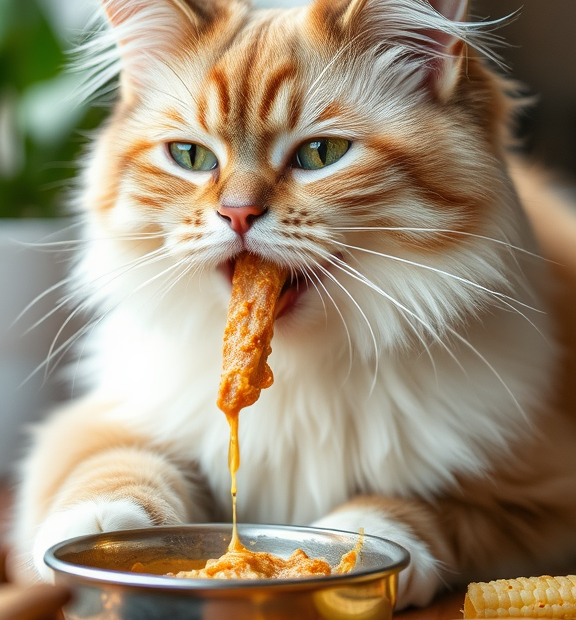
Understanding Why Ragdoll Cats May Stop Eating After Stress or Changes
Why Do Ragdoll Cats Stop Eating After Stressful Events?
Ragdoll cats are known for their calm and affectionate nature, but like many pets, they can be sensitive to changes in their environment. When your ragdoll suddenly refuses to eat, especially after a stressful situation or a major change at home, it’s important to understand the reasons behind this behavior.
Stress can trigger a variety of physical and emotional responses in cats. For ragdolls, who thrive on routine and consistency, disruptions such as moving houses, the introduction of new pets or people, loud noises, or changes in their daily schedule can cause anxiety. This stress often leads to a decreased appetite or total refusal to eat.
Cats use eating as a comfort activity, but when they feel unsettled or frightened, their bodies may enter a "fight or flight" mode, where digestion slows down, and hunger signals diminish. Additionally, stress can affect their sense of smell and taste, making food less appealing.
How Stress Affects a Ragdoll’s Eating Habits
Stress impacts ragdoll cats in several ways that can disrupt their eating habits:
- Loss of Appetite: Stress hormones can suppress hunger, so your cat may simply not feel like eating.
- Digestive Issues: Stress can lead to gastrointestinal problems like nausea or stomach pain, discouraging food intake.
- Behavioral Changes: Your ragdoll might hide more often, avoid social interaction, or become withdrawn, all of which can reduce mealtime enthusiasm.
- Change in Preferences: After stress, cats may suddenly reject their familiar food, searching for novel tastes, which can be confused for picky eating.
Signs to Watch For When Your Cat Is Stressed
Noticing early signs of stress can help you address the problem before your ragdoll stops eating entirely. Look out for:
- Sudden refusal to eat or drink
- Excessive hiding or withdrawal
- Changes in grooming habits, either neglect or over-grooming
- Increased vocalization or irritability
- Restlessness or pacing in the home
If you observe any of these symptoms alongside a loss of appetite, it’s a sign your ragdoll is struggling with stress.
Steps to Help Your Ragdoll Cat Recover Their Eating Routine
Helping your ragdoll adjust after a stressful event involves patience, care, and routine restoration. Here are several strategies that you can implement at home:
- Create a Calm Environment: Provide a quiet, comfortable space for your cat to relax. Use soft bedding and reduce loud noises or sudden movements around their resting area.
- Maintain Consistency: Stick to regular feeding times and keep their feeding area unchanged. Cats find security in routine.
- Offer Appealing Foods: Warm your cat’s meals slightly to enhance aroma, or try different textures like pâté or shredded food to tempt them back to eating.
- Minimize Changes: Avoid introducing new pets, people, or major changes until your ragdoll’s eating habits stabilize.
- Use Stress Relief Products: Consider pheromone diffusers designed for cats or natural calming supplements after consulting your veterinarian.
- Engage Gently: Spend quiet time near your cat without forcing interaction. Sometimes just your calm presence will help reduce their anxiety.
When to Seek Veterinary Assistance
While stress is a common cause of appetite loss, it’s crucial to ensure no underlying medical issues are contributing to your ragdoll’s eating problem. If your cat hasn’t eaten for more than 24-48 hours, or if you notice other worrying symptoms like vomiting, lethargy, weight loss, or diarrhea, schedule a vet visit immediately.
Veterinarians can rule out health problems and may recommend medications or therapies to help manage stress and rebuild appetite safely.
Supporting Your Ragdoll Through Change: A Long-Term Approach
Ragdolls are incredibly loving and resilient cats, but they depend heavily on stable environments to feel safe. Long-term well-being comes from building a predictable routine, understanding their cues, and providing comfort during times of change.
Remember, patience is key. Even when progress seems slow, gentle encouragement and consistent care will go a long way in helping your ragdoll cat overcome eating issues triggered by stress. With your support, their normal, happy eating habits will return, along with the playful and affectionate nature you cherish.
Practical Steps to Rebuild Your Ragdoll Cat’s Eating Routine and Reduce Anxiety
Understanding the Impact of Stress on Your Ragdoll Cat’s Appetite
When your Ragdoll cat undergoes stress or experiences a sudden change in environment, it’s common for their eating habits to be affected. These gentle giants are known for their calm and affectionate nature, but they can be sensitive to disruptions. Stress may come from moving houses, a new pet in the home, loud noises, or changes in your daily routine. As a result, your cat might eat less or stop eating altogether, which is concerning since appetite loss can quickly lead to health issues in felines.
Recognizing the signs that your Ragdoll is stressed—such as hiding, excessive grooming, vocalization, or avoiding their food—can help you act swiftly to support their well-being. Understanding this connection between stress and appetite is the first step toward nurturing their eating routine back to a healthy state.
Creating a Calm Feeding Environment
Ragdoll cats thrive in peaceful environments that help them feel safe and secure. To encourage your cat to eat regularly, prepare a quiet and comfortable feeding area where distractions are minimized. Choose a spot away from loud household activities, other pets, and high traffic zones.
Some practical tips include:
- Set up a designated feeding station with clean bowls for food and water.
- Keep feeding times consistent to build routine and reduce anxiety.
- Use shallow, wide dishes to make eating easier and more inviting for your cat.
- Ensure the feeding space is cozy—placing a soft mat or a blanket underneath can make the area more appealing.
By creating this calm feeding zone, your Ragdoll will be more likely to approach their meals with confidence rather than stress.
Reintroducing Food Gradually
If your Ragdoll has stopped eating due to stress, suddenly forcing their usual diet on them might be overwhelming. Instead, reintroduce food gradually to ease them back into eating comfortably. Start by offering small portions at regular intervals and observe how your cat responds.
Consider these strategies:
- Offer their favorite treats or highly palatable wet food that’s aromatic and soft.
- Warm up canned food slightly to enhance its smell, enticing your cat’s appetite.
- Mix small amounts of new or palatable food with the regular diet to make meals more enticing.
- Hand-feed your cat if they seem hesitant, helping to reinforce trust and comfort.
These gentle steps help rebuild positive associations with mealtime, reducing stress linked to feeding.
Re-establishing Consistent Meal Times
Cats are creatures of habit, and sticking to regular meal times helps reduce anxiety and encourages a stable eating pattern. Ragdolls feel secure when they know what to expect from their daily routine. Choose set times, such as morning and early evening, and try to feed your cat the same type and amount of food at each meal.
Maintaining this schedule can:
- Help your cat’s digestive system regulate naturally.
- Give your cat a sense of predictability, reducing anxiety.
- Enable you to monitor appetite changes more accurately.
If you must change feeding times due to your own schedule, do so gradually over several days to avoid adding stress.
Comfort and Enrichment to Support Eating
Addressing your Ragdoll’s emotional well-being goes hand-in-hand with rebuilding their eating habits. Providing stress relief beyond mealtimes supports overall appetite and health.
Try these enrichment and comfort techniques:
- Spend quality quiet time petting or gently massaging your cat to promote relaxation.
- Use pheromone diffusers designed to calm and reduce anxiety in cats.
- Introduce interactive toys or puzzle feeders that engage your cat mentally and physically.
- Maintain consistent human interaction to reassure your cat that their environment is stable.
By incorporating these elements into daily life, you help your Ragdoll reduce stress triggers and improve their relationship with food.
When to Seek Veterinary Support
If your Ragdoll cat continues to refuse food for more than 24 to 48 hours, it’s important to seek professional help promptly. Prolonged loss of appetite can lead to serious complications like hepatic lipidosis, a dangerous liver condition common in cats after fasting.
A vet visit will help:
- Rule out any underlying medical conditions causing appetite loss.
- Provide appetite stimulants if needed.
- Offer advice tailored to your cat’s health and stress factors.
- Suggest behavior modification techniques or medications if anxiety is severe.
Early intervention ensures your Ragdoll recovers healthily and enjoys a balanced lifestyle once again.
Long-term Routine Maintenance Tips
To safeguard your Ragdoll from future eating problems related to stress or changes, consider adopting these long-term habits:
- Keep daily routines as consistent as possible, including feeding, playtime, and rest periods.
- Introduce all changes gradually—whether new furniture, guests, or other pets—to give your cat time to adjust.
- Create multiple safe spaces around your home where your cat can retreat and relax.
- Regularly monitor your cat’s behavior and eating patterns to catch early signs of stress.
Implementing these practical steps builds resilience and helps your Ragdoll maintain a healthy appetite and happy disposition, even amid life’s inevitable changes.
Conclusion
Stress and changes in your Ragdoll cat’s environment can deeply affect their eating habits, leaving you worried about their well-being. Recognizing that a loss of appetite often stems from anxiety or disrupted routines is the first step to helping your feline friend recover. By understanding these causes, you can approach the situation with patience and care, realizing that your cat’s refusal to eat isn’t stubbornness but a response to discomfort or uncertainty.
Rebuilding your Ragdoll cat’s eating routine requires thoughtful and consistent efforts. Start by creating a calm and secure feeding space that minimizes distractions and feels familiar. Gradually reintroduce their favorite foods, ideally those with strong, enticing scents, to stimulate their appetite. Maintain regular feeding times to restore a sense of predictability. Incorporate gentle interaction and soothing activities around mealtime to reduce anxiety, reinforcing positive associations with eating. If possible, try to minimize further changes until your cat’s routine has stabilized.
Supporting your Ragdoll through this process shows not only your commitment to their health but also your understanding of their emotional needs. Eating difficulties after stress are temporary, and with the right approach, most cats bounce back quickly. However, if your cat’s appetite doesn’t improve or they show other signs of illness, seeking advice from a veterinarian is crucial. By patiently rebuilding their routine and reducing stress, you help your Ragdoll cat regain comfort and nutrition, ensuring they stay happy and healthy in your home.