At-a-Glance
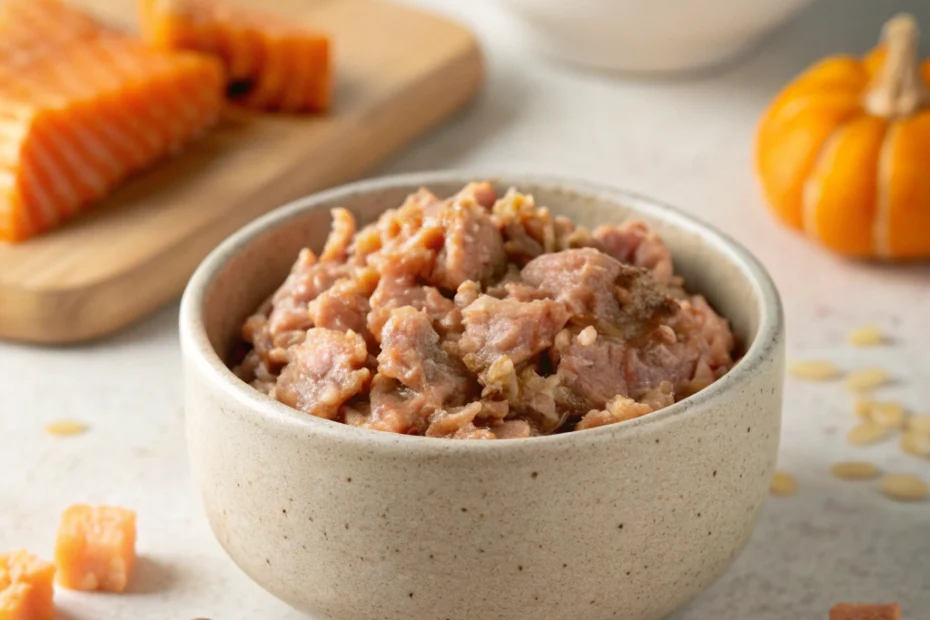
As your feline companion ages, their nutritional needs evolve. Senior wet cat food may help support these changing requirements by offering a diet that is easier to digest and often more palatable for older cats. This type of food can be beneficial in maintaining hydration, supporting joint health, and managing weight. Understanding the benefits and considerations of senior wet cat food can assist you in making informed decisions for your cat’s well-being.
How to Choose
Choosing the right senior wet cat food involves considering several factors. First, assess your cat’s specific dietary needs, which may include managing weight, supporting joint health, or addressing dental issues. Look for foods that are rich in high-quality proteins and have a balance of essential nutrients. It’s also important to check for any specific health concerns your cat may have, such as allergies or sensitivities, and select a formula that addresses these issues.
Consulting with your veterinarian can provide valuable insights into the best dietary choices for your senior cat. They can recommend specific ingredients or formulations that may be beneficial. Additionally, consider the texture and flavor preferences of your cat, as older cats may become more selective about their food.
Safety & Setup
When introducing senior wet cat food to your pet’s diet, it’s crucial to do so gradually. Start by mixing a small amount of the new food with their current diet, gradually increasing the proportion over several days. This gradual transition can help prevent digestive upset.
Ensure that the food is stored properly to maintain its freshness and nutritional value. Most wet cat foods should be refrigerated after opening and consumed within a few days. Always check the expiration date and discard any food that appears spoiled or has an off smell.
Core Pillars
The core pillars of a senior cat’s diet include hydration, balanced nutrition, and palatability. Wet cat food naturally provides more moisture than dry food, which can help keep your cat hydrated, especially if they are reluctant to drink water. A balanced diet with the right mix of proteins, fats, and carbohydrates is essential for maintaining your cat’s energy levels and overall health.
Palatability is another key factor. As cats age, their sense of smell and taste may diminish, making it important to choose foods that are appealing to them. Experimenting with different flavors and textures can help you find the best option for your cat.
Placement & Environment Tips
Where you place your cat’s food can impact their eating habits. Choose a quiet, comfortable location away from high-traffic areas to reduce stress during mealtime. Ensure that the feeding area is clean and free from any potential hazards.
If you have multiple pets, consider feeding your senior cat separately to prevent competition and ensure they receive their full portion. Elevated feeding stations can also be beneficial for older cats, as they can reduce strain on the neck and joints.
Comparison with Alternatives
Senior wet cat food offers distinct advantages over dry food, particularly in terms of moisture content and palatability. While dry food can be more convenient and may help with dental health, it lacks the hydration benefits of wet food. For cats with dental issues, wet food can be easier to consume and digest.
Homemade diets are another alternative, but they require careful planning to ensure nutritional balance. Consult with a veterinarian or a pet nutritionist if considering this option, as it can be challenging to meet all of your cat’s dietary needs without professional guidance.
FAQs
How do I know if my cat needs senior wet cat food?
Signs that your cat may benefit from senior wet cat food include changes in weight, decreased energy levels, and dental issues. Consult your veterinarian for a personalized assessment.
Can I mix wet and dry food for my senior cat?
Yes, mixing wet and dry food can provide a balance of benefits, such as hydration from wet food and dental health support from dry food. Ensure the combination meets your cat’s nutritional needs.
How often should I feed my senior cat wet food?
Feeding frequency depends on your cat’s individual needs and preferences. Some cats do well with two meals a day, while others may prefer smaller, more frequent meals.
What to Do Next
After understanding the benefits and considerations of senior wet cat food, the next step is to consult with your veterinarian. They can provide tailored advice based on your cat’s health status and dietary needs. Once you have their recommendations, you can explore different products that align with these guidelines. Remember, transitioning to a new diet should be done gradually to ensure your cat’s comfort and health.
Disclaimer: Always consult your veterinarian for personalized advice regarding your cat’s health.