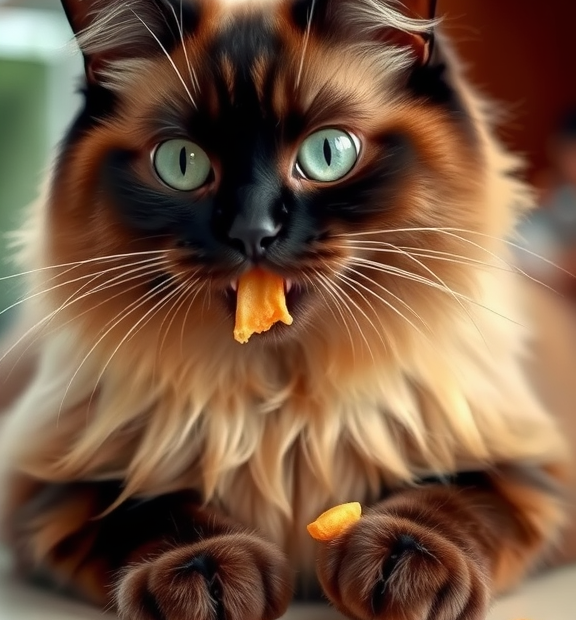
How to Solve Ragdoll Cat Feeding Challenges and Improve Their Eating Habits
Understanding the Feeding Challenges of Ragdoll Cats
Ragdoll cats are beloved for their gentle nature and striking appearance, but like any breed, they come with unique care needs—especially when it comes to feeding. Many Ragdoll owners face challenges such as picky eating, overeating, or sudden changes in appetite. Understanding these hurdles is the first step toward improving your cat’s eating habits and ensuring a healthy lifestyle.
Unlike some breeds, Ragdolls tend to have slower metabolisms and can be prone to weight gain if their diet is not carefully managed. Additionally, they might develop preferences for certain food textures or flavors, making it tricky to maintain a balanced diet. Recognizing signs of feeding difficulty, such as reluctance to eat, constant begging, or overeating, is crucial to addressing these feeding problems early on.
Creating a Feeding Schedule That Works
One of the most effective ways to solve feeding challenges is by establishing a consistent feeding routine. Ragdolls thrive on regular meal times, which helps regulate their appetite and prevent overeating or begging between meals.
- Feed at the same times daily: Aim for two to three scheduled meals rather than free feeding.
- Portion control: Measure the right amount of food to avoid overfeeding. Check your cat’s weight regularly and adjust portions accordingly.
- Use separate dishes: If you have more than one cat, separate their feeding stations to reduce food competition and stress.
This structure helps your Ragdoll anticipate meal times and reduces anxiety or food-related behavioral issues. Avoid leaving food out all day, as constant access can encourage overeating and weight problems.
Selecting the Right Food for Ragdoll Cats
Choosing food tailored to your Ragdoll’s nutritional needs is vital. These cats require a diet that supports their moderately active lifestyle and helps maintain their silky coat and lean muscle mass.
Given their breed-specific traits, look for cat food with these features:
- High-quality protein: Opt for meat-based proteins like chicken, turkey, or fish to support muscle health.
- Balanced fats: Omega-3 and omega-6 fatty acids keep their coat shiny and skin healthy.
- Low fillers: Avoid foods heavy in fillers like corn, soy, or wheat which offer little nutritional benefit.
- Grain-free options: Some Ragdolls show better digestion when grains are minimized in their diet.
- Special formulations: Consider age-appropriate foods (kitten, adult, senior) and consult your vet for any health-specific diets.
Always transition slowly when introducing new food to prevent stomach upset and monitor your cat’s response closely.
Encouraging Healthy Eating Habits
Sometimes, a Ragdoll may become finicky or even develop a habit of begging for human food. Here’s how you can gently guide your cat toward better eating behavior:
- Make mealtime engaging: Use puzzle feeders or treat-dispensing toys to make eating stimulating and mentally rewarding.
- Limit treats: Treats should not exceed 10% of your cat’s daily calorie intake.
- Discourage begging: Never give in to begging around your own meal times; instead, redirect your cat to their food bowl.
- Monitor water intake: Adequate hydration is essential—fresh water should always be available to support digestion.
Building a positive feeding environment with minimal distractions helps your Ragdoll focus on their own meals without stress or competition.
Recognizing When to Get Help
If your Ragdoll struggles with feeding difficulties that don’t improve with routine or diet adjustments, it’s important to seek veterinary advice. Poor appetite, weight loss, or sudden disinterest in food may signal underlying health issues such as dental problems, gastrointestinal disorders, or stress.
Regular health check-ups combined with professional guidance on feeding can ensure your Ragdoll’s nutrition supports their overall well-being.
Extra Tips for Enhancing Feeding Time
- Warm up wet food slightly: This enhances aroma and palatability, encouraging even picky cats to eat.
- Offer variety cautiously: Rotating flavors or types can prevent boredom, but avoid sudden drastic changes.
- Maintain a calm environment: Feed your cat in a quiet, safe area away from loud noises or other pets during mealtime.
- Use shallow bowls: Some Ragdolls prefer shallow dishes to avoid whisker fatigue.
Taking the time to customize your cat’s feeding experience goes a long way in building healthy habits that last a lifetime.
Helping Your Ragdoll Thrive with Better Nutrition
By addressing feeding challenges through routine, proper nutrition, and positive reinforcement, you give your Ragdoll cat the best chance to stay healthy and happy. Feeding isn’t just about filling a bowl—it’s an opportunity to connect with your furry friend and support their unique needs.
Remember, a well-fed Ragdoll is a content Ragdoll. With patience and attention, you can end the struggle around mealtime and enjoy more peaceful, healthy days together.
Essential Tips for Providing Balanced Nutrition to Your Ragdoll Cat
Ensuring your Ragdoll cat receives balanced nutrition is vital to keep this gentle and affectionate breed healthy. Known for their striking blue eyes and silky coats, Ragdolls require specific dietary care to support their large size, calm temperament, and potential health issues. Providing proper feeding goes beyond just filling their bowl; it involves understanding their unique nutritional needs and preventing common eating problems that Ragdolls often face.
Recognizing the Nutritional Needs of Ragdoll Cats
Ragdolls are medium to large-sized cats with a slow to moderate activity level. Their diet should focus on providing high-quality protein, essential fats, and a balance of vitamins and minerals. Protein is especially important to maintain their muscular build and support overall organ function. Fatty acids contribute to a shiny coat and healthy skin, while vitamins such as A, D, E, and B complex promote energy production and immune health.
Since many Ragdolls can be prone to weight gain due to their laid-back nature, portion control and calorie management are crucial. Excess weight can strain their joints and lead to health complications like diabetes. Therefore, keeping their feeding routine consistent helps maintain their ideal body condition.
Choose the Right Food Formulation
When selecting food for your Ragdoll, opt for formulas specially made for adult cats or large breeds. These often contain the right balance of proteins and balanced fiber to aid digestion. Some Ragdolls can develop sensitive stomachs, so look for limited ingredient or grain-free options if your cat shows signs of food intolerance.
- Wet food benefits: Moisture-rich wet food encourages hydration, an essential factor in preventing urinary tract issues.
- Dry food advantages: Helps in maintaining dental health by reducing plaque buildup but should be balanced with wet food to keep your cat hydrated.
Establish a Consistent Feeding Schedule
Ragdolls thrive on routine. Feeding your cat at the same times daily helps control their eating habits and prevents overeating. Divide daily amounts into two or three meals rather than one large feeding to stabilize their metabolism and reduce begging behavior. Avoid free-feeding, which often leads to obesity and makes it hard to monitor how much your cat actually consumes.
Addressing the Cat Eat Problem in Ragdolls
Some Ragdolls exhibit what’s often called a “cat eat problem”—overconsumption or begging for more food than they need. This behavior can stem from boredom, habit, or anxiety. To tackle this:
- Interactive feeders: Use puzzle feeders or slow-feed bowls to engage your Ragdoll’s mind and slow down their eating pace.
- Environmental enrichment: Providing toys, scratching posts, and playtime reduces boredom and distracts them from food obsession.
- Consistent portioning: Measuring their food keeps feeds accurate and discourages begging for extra helpings.
Include Supplements When Necessary
While a balanced diet should meet most nutritional needs, some Ragdoll cats benefit from supplements. Omega-3 fatty acids boost coat health and reduce inflammation. Probiotics can support digestive health, especially if your cat has a sensitive stomach. Always consult your veterinarian before adding supplements to your cat’s diet to avoid over-supplementation.
Monitor Your Ragdoll’s Weight and Health Regularly
Regular vet visits are essential to monitor your cat’s weight and overall health status. Your vet can help adjust food types and quantities based on your Ragdoll’s life stage, activity level, and any emerging health issues. Early detection of problems like obesity or kidney disease can significantly improve your cat’s life quality.
Weigh your cat at home periodically and watch for changes in appetite or behavior. These may signal underlying problems requiring dietary adjustments.
Keep Fresh Water Readily Available
Hydration is often overlooked but crucial, especially for cats consuming mostly dry kibble. Always provide fresh, clean water in an accessible location. Some Ragdolls prefer running water, so a cat fountain can encourage them to drink more regularly. Proper hydration supports kidney function and helps prevent urinary tract diseases.
Avoid Foods Harmful to Ragdolls
Never feed your Ragdoll cats human food, especially those toxic to felines such as onions, garlic, chocolate, alcohol, or caffeine. Moreover, avoid giving excessive treats which can add unnecessary calories and disrupt the balanced nutrition plan. Limiting treats to occasional rewards and selecting healthy options helps maintain their diet integrity.
By carefully selecting the right food, establishing a routine, and addressing behavioral eating issues, you can ensure your Ragdoll cat receives the balanced nutrition it deserves. This thoughtful approach will help your feline friend stay lively, healthy, and happy throughout their life.
Conclusion
Feeding your Ragdoll cat well is key to their happiness and health. By understanding the common feeding challenges and addressing them with patience, you can improve your cat’s eating habits effectively. Remember to create a calm feeding environment, stick to consistent meal times, and observe your cat’s preferences closely. These small adjustments make a big difference in how your Ragdoll approaches their food.
Providing balanced nutrition goes beyond simply offering food. It means selecting high-quality ingredients rich in protein and essential nutrients tailored to your Ragdoll’s needs. the right mix of wet and dry food keeps their diet exciting and prevents boredom. Also, offering portion-controlled meals supports their natural metabolism and prevents overeating.
When you combine the right feeding strategies with balanced nutrition, your Ragdoll cat will not only enjoy mealtime more but also benefit from better energy, a shiny coat, and overall well-being. The tips shared here empower you to take control of your cat’s diet and end the common cat eat problems that often arise. With a thoughtful and committed approach, you ensure your Ragdoll is nourished the way they deserve — healthy, happy, and full of life. Your efforts today will pave the way for countless joyful moments with your furry friend.