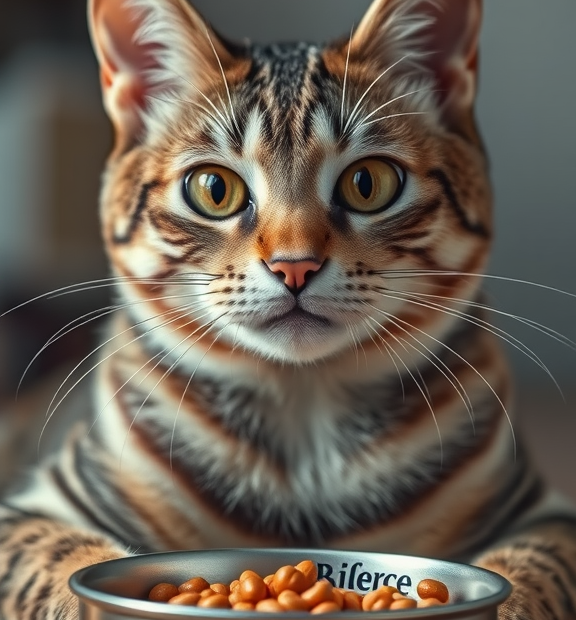
Choosing the Right Brand of Cat Food for Your Pet’s Health
When it comes to keeping your cat healthy and happy, the brand of cat food you choose plays a crucial role. Cats have specific dietary needs that differ significantly from other pets, and providing them with the right nutrition can enhance their lifespan, energy levels, and overall well-being. With countless options available on the market, selecting the ideal brand can seem overwhelming. However, understanding the factors that make a cat food brand trustworthy and nutritious will help you make an informed decision.
Why the Brand of Cat Food Matters
Different brands have different standards when it comes to ingredient quality, nutrient balance, and safety protocols. A reputable brand ensures that their cat food contains essential nutrients like protein, taurine, vitamins, and minerals, tailored for feline health. Cats are obligate carnivores, which means their diet must be rich in meat-based proteins. Choosing a brand that prioritizes high-quality animal protein over fillers like corn or soy can significantly impact your cat’s muscle tone, coat condition, and energy.
Additionally, some brands invest in rigorous quality control, testing for contaminants and maintaining consistent ingredient sourcing. Lesser-known or unreliable brands may cut corners, using lower-quality ingredients or fillers that do not support your cat’s health. Therefore, the brand’s reputation and commitment to quality can give you peace of mind about what your cat is eating.
Key Factors to Consider Before Picking a Brand
When you select a brand of cat food, pay attention to the following aspects to ensure the product suits your pet’s nutritional needs:
- Ingredient Quality: Look for brands that list real meat or fish as the first ingredient.
- Life Stage Formulation: Kits, adult cats, and senior cats all have different requirements. Choose a brand that offers formulas catering to your cat’s age.
- Specific Health Needs: Some cats need special diets for weight management, allergies, or urinary health. Check if the brand provides specialized options.
- AAFCO Approval: Ensure the brand follows guidelines set by the Association of American Feed Control Officials (AAFCO), which guarantees complete and balanced nutrition.
- Transparency and Recalls: Brands that openly share ingredient sources and have minimal recall history are typically more reliable.
Types of Cat Food Offered by Different Brands
Brands vary in the types of cat food they offer, and what you choose should depend on your cat’s preference and dietary needs:
- Dry Cat Food: Convenient and shelf-stable, but ensure the brand uses quality protein and limits fillers.
- Wet Cat Food: High moisture content is excellent for hydration and urinary health.
- Raw or Freeze-Dried Options: Some brands provide these diets for owners seeking a natural or grain-free alternative.
Reading Labels and Understanding Marketing Terms
Brands often use marketing buzzwords like “natural,” “organic,” or “premium” on their packaging, but these terms aren’t always regulated. It’s more effective to:
- Read the ingredient list carefully, ignoring vague descriptors.
- Check for the guaranteed analysis for protein, fat, fiber, and moisture content.
- Avoid foods with artificial colors, flavors, or excessive preservatives.
Reliable brands clearly list all ingredients and provide nutritional information suitable for your cat’s age and health requirements.
How Budget Impacts Your Choice
Price is an important consideration, but choosing the cheapest brand might compromise your cat’s health in the long term. Premium brands tend to invest more in quality ingredients and research. However, some mid-range brands also offer excellent nutrition while being budget-friendly. You can evaluate cost-effectiveness by looking at the ingredient quality and feeding amounts required to satisfy your cat’s needs.
Consulting Your Veterinarian
Since each cat has unique health concerns, consulting a veterinarian before settling on a brand is wise. Your vet can recommend specific brands or formulas that support your cat’s weight, skin health, or medical conditions. Moreover, if your cat experiences allergies or digestive issues, switching to a brand specialized in hypoallergenic or sensitive stomach formulas can improve their quality of life.
Tips to Transition to a New Cat Food Brand
Switching brands suddenly can cause digestive upset in cats. To help your feline friend adjust smoothly:
- Mix increasing amounts of the new brand with the old food over 7-10 days.
- Monitor for signs of intolerance like vomiting or diarrhea.
- Maintain consistent feeding times and portion sizes during the transition.
Gradual transitions allow your cat’s digestive system to adapt without sudden changes that might cause stress or nutritional imbalance.
Recognizing When It’s Time to Change the Brand
Changes in your cat’s behavior, coat condition, or digestion might signal that their current food isn’t meeting their needs. If you notice:
- Dull fur or excessive shedding.
- Weight fluctuations.
- Frequent vomiting or diarrhea.
- Lethargy or loss of appetite.
These signs suggest that the brand of cat food may not be suitable and exploring alternatives could improve your pet’s health.
Ultimately, the brand of cat food is a critical choice that impacts your pet’s daily nutrition and long-term wellness. By focusing on ingredient quality, nutritional balance, and your cat’s specific needs, you can find a brand that supports a vibrant, healthy life for your furry companion.
Comparing Popular Brands of Cat Food: Nutritional Value and Ingredients
Understanding the Key Ingredients in Cat Food
Choosing the right brand of cat food can be challenging given the wide variety available on the market. When evaluating different cat food brands, it’s essential to focus on the ingredients and how they contribute to your cat’s health. Most cats are obligate carnivores, which means their diet should primarily consist of animal protein. High-quality protein sources like chicken, turkey, fish, or beef should be among the top ingredients in any good cat food brand.
Besides proteins, cats require a balanced mix of fats, vitamins, and minerals to stay healthy. Ingredients such as taurine—a vital amino acid for cats—must be included because it supports heart health and vision. High-quality fats from animal sources provide essential fatty acids, which are critical for maintaining a healthy coat and skin.
Popular Cat Food Brands and Their Nutritional Profiles
Let’s explore some well-known brands that pet owners commonly trust, focusing on their nutritional value and ingredient quality.
1. Royal Canin
Royal Canin is popular among veterinarians for its specialized formulas crafted to meet the needs of cats with specific health conditions. Its ingredients often include chicken by-product meal and corn gluten meal, which may raise concerns for some cat owners looking for more natural protein sources. However, Royal Canin foods are formulated with precise nutrient balances and added vitamins and minerals, making them a good choice for cats with specific dietary requirements.
2. Blue Buffalo
Blue Buffalo has gained popularity for its focus on natural ingredients. Most of their products feature deboned chicken as the first ingredient, complemented by wholesome fruits and vegetables. They avoid artificial preservatives and fillers, which appeals to owners aiming for a more natural diet. Blue Buffalo’s formulas often include essential antioxidants and Omega fatty acids, which support immunity and skin health.
3. Hill’s Science Diet
Hill’s Science Diet combines science-backed nutrition with quality ingredients, designed to promote overall cat health. Many formulas use chicken meal and brown rice, with options tailored to different life stages or health needs such as weight management or urinary care. While effective, it’s important to note that this brand sometimes includes grains which may not suit every cat’s digestive system.
4. Wellness Core
Wellness Core prides itself on grain-free recipes that emphasize a high protein content from real meats like turkey, salmon, or chicken. Their cat foods typically avoid fillers, artificial colors, and preservatives, making them a great choice for those prioritizing a protein-rich, natural diet. With added nutrients like probiotics and Omega-3s, this brand supports digestive health and immune function.
How to Read Cat Food Labels Effectively
Understanding the label on a bag or can of cat food is critical in deciding which brand fits your cat’s needs best. Here are some points to focus on:
- First Ingredient: Look for real meat (e.g., chicken, salmon) rather than generic terms like “meat by-products.”
- Protein and Fat Levels: Cats need a diet rich in animal protein and adequate fats. Check the guaranteed analysis for minimum crude protein and fat percentages.
- Fillers and Carbohydrates: Avoid brands that use corn, wheat, soy, or by-products excessively. Cats require minimal carbohydrates.
- Added Vitamins and Minerals: Essential nutrients such as taurine and Omega fatty acids should be present to support overall health.
The Role of Wet vs. Dry Cat Food in Nutrition
When comparing popular brands of cat food, it’s also useful to think about the format you choose. Wet cat food tends to have higher moisture content, which helps maintain hydration and urinary tract health. It often contains more protein and fewer carbohydrates compared to dry food. Dry cat food is convenient and can help with dental health, but owners should check the nutritional profile to ensure it meets their cat’s dietary requirements.
Many owners opt for a mixed feeding strategy, combining wet and dry food from reliable brands to provide a balanced diet along with hydration benefits.
Making the Best Choice for Your Cat
When selecting a brand of cat food, consider your cat’s age, health status, and taste preferences. Brands like Blue Buffalo and Wellness Core excel in using natural, high-quality ingredients that satisfy the dietary needs of most cats. Meanwhile, brands like Hill’s Science Diet and Royal Canin provide specialized formulas aligned with veterinary recommendations.
Always prioritize transparency in ingredient lists and manufacturing practices. Choosing a trusted brand ensures your feline friend receives balanced nutrition that encourages longevity, vitality, and overall well-being. Pay close attention to how your cat responds to different foods, and consult your veterinarian if you’re unsure which brand suits your pet best.
Conclusion
Selecting the right brand of cat food plays a crucial role in supporting your cat’s overall health and well-being. By paying close attention to the nutritional value and ingredients, you can ensure your pet receives balanced meals that meet their unique dietary needs. Comparing popular brands helps you identify options that offer high-quality protein, essential vitamins, and minerals, while avoiding fillers or additives that may harm your cat’s health.
Remember that every cat is different, so what works for one may not work for another. Factors like age, activity level, and health conditions should guide your choice of cat food brand. Take the time to read labels carefully and look for transparent brands that prioritize natural ingredients and clear sourcing. This approach not only supports your pet’s nutrition but also builds trust in the food your cat consumes daily.
By focusing on well-established brands with proven records of quality, you make an investment in your cat’s long-term vitality. Remember, good nutrition is the foundation for a happy and active feline companion. Making informed decisions about the brand of cat food you buy reflects your commitment to providing the best care and ensuring your cat stays healthy for years to come. Your pet deserves nothing less than high-quality food designed to keep them thriving.