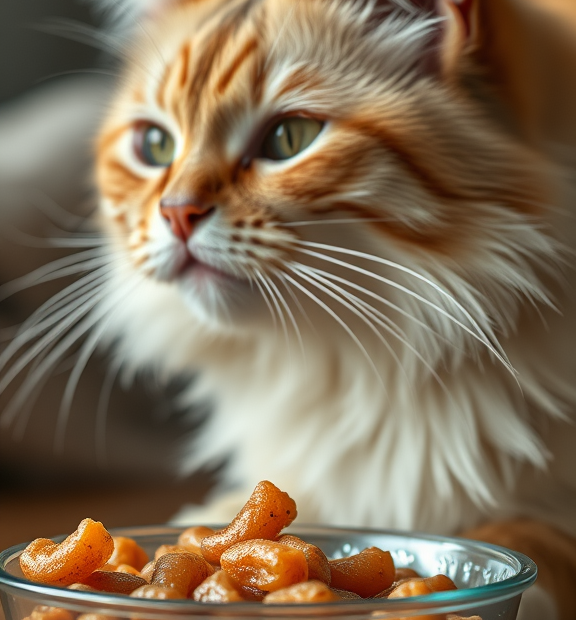
Understanding the Benefits of Hydrolyzed Cat Food for Sensitive Felines
What Makes Hydrolyzed Cat Food Different?
If you have a cat with food sensitivities or allergies, choosing the right food becomes crucial. Hydrolyzed cat food offers a unique solution for sensitive felines. Unlike regular cat food, where protein sources remain intact, hydrolyzed cat food contains proteins that are broken down into very tiny pieces. This process, called hydrolysis, breaks the proteins into smaller pieces called peptides and amino acids.
Why does this matter? Normally, a cat’s immune system may recognize large protein molecules as threats, triggering allergic reactions or digestive upset. When proteins are hydrolyzed, the immune system doesn’t recognize them as easily, reducing the chance of allergic responses. This makes hydrolyzed cat food a powerful option for cats suffering from food allergies or intolerances.
The Science Behind Hydrolyzed Cat Food
When your cat eats hydrolyzed cat food, the broken-down proteins are less likely to trigger the immune system. Allergic reactions typically happen because the immune system mistakes some proteins as harmful invaders. Hydrolysis changes the protein structure, so the immune system no longer sees them as threats.
Veterinarians often recommend hydrolyzed diets when a cat shows symptoms like:
- Chronic itching or skin irritation
- Gastrointestinal problems such as vomiting or diarrhea
- Swollen or inflamed paws and face
- Excessive licking or biting
Feeding hydrolyzed cat food helps ease these symptoms by eliminating the trigger proteins without compromising nutrition.
Key Benefits of Hydrolyzed Cat Food for Sensitive Cats
Owners of sensitive cats can find relief through hydrolyzed cat food. Here are the main benefits this specialized diet offers:
- Minimized Allergic Reactions: Because the proteins are broken down, the immune system is less likely to respond negatively, reducing allergic reactions.
- Better Digestive Comfort: Hydrolyzed proteins are easier to digest, which benefits cats experiencing vomiting, diarrhea, or bloating.
- Complete Nutrition: Unlike elimination diets that might restrict many food types, hydrolyzed cat food ensures your cat still receives all the vitamins, minerals, and nutrients essential for health.
- Veterinary Support: Many hydrolyzed cat foods are formulated under veterinary supervision, ensuring quality and balanced nutrition.
Who Should Consider Hydrolyzed Cat Food?
If your cat suffers from unexplained skin problems, constant scratching, or stomach troubles, hydrolyzed cat food might be worth exploring. It is especially helpful for cats diagnosed with food allergies or sensitivities after an elimination diet or allergy testing. Even cats with chronic conditions like inflammatory bowel disease (IBD) may benefit from hydrolyzed protein diets.
Before changing your pet’s diet, consult with your vet. They can identify the root cause of your cat’s symptoms and recommend whether a hydrolyzed diet would be best.
Feeding Tips for Hydrolyzed Cat Food
Introducing hydrolyzed cat food can be a smooth process if done correctly. Here are some feeding tips to help your feline friend adjust:
- Introduce Slowly: Gradually mix increasing amounts of the new food with the old diet over 7-10 days to avoid digestive upset.
- Observe Closely: Watch for changes in skin condition, digestion, and energy levels. Improvement often appears within a few weeks.
- Stick to It: To accurately assess benefits, maintain the hydrolyzed diet without mixing other foods or treats that might cause allergic reactions.
- Regular Vet Check-ups: Keep in touch with your veterinarian to monitor your cat’s health and adjust the diet as needed.
Common Myths About Hydrolyzed Cat Food
Some cat owners worry about hydrolyzed cat food being less tasty or nutritionally incomplete. It’s important to clear up these myths:
- Myth 1: Hydrolyzed food tastes bad. Many cats accept these diets well. Manufacturers add flavors and aromas to make the food more appealing.
- Myth 2: Hydrolyzed proteins are not nutritious. Hydrolyzed cat food is carefully formulated to meet all feline nutritional requirements.
- Myth 3: Only vets recommend this food. While vets often advise it, hydrolyzed food can be part of at-home care once diagnosis is confirmed.
How to Choose the Right Hydrolyzed Cat Food
When shopping for hydrolyzed cat food, keep these points in mind to make the best choice for your sensitive feline:
- Choose products labeled “hydrolyzed protein” and designed specifically for food sensitivities or allergies.
- Look for formulas approved or recommended by veterinarians to ensure quality and safety.
- Consider your cat’s specific needs, such as flavor preferences and any other health conditions.
- Check ingredient lists for potential allergens that may still be present in some products.
Hydrolyzed cat food offers an effective nutritional solution for cats with sensitive stomachs or allergies. With its specially broken-down proteins and veterinary backing, it supports your cat’s health without sacrificing taste or nutrition. Consulting with your vet and carefully selecting the right product can help your sensitive feline live a happier, healthier life.
How to Choose the Right Hydrolyzed Cat Food for Your Pet’s Health Needs
Understanding Hydrolyzed Cat Food and Its Benefits
Hydrolyzed cat food is a specialized type of diet designed to help cats with food sensitivities, allergies, or digestive issues. Unlike traditional cat foods, hydrolyzed formulas contain proteins that have been broken down into tiny pieces, called peptides. This process makes it less likely for a cat’s immune system to recognize the proteins as allergens, reducing the chance of an allergic reaction. If your cat struggles with food allergies or digestive discomfort, hydrolyzed cat food can provide a safe and nutritious option.
Cats can develop food allergies or intolerances at any stage in life. Symptoms such as itching, skin inflammation, vomiting, or diarrhea might signal an underlying food sensitivity. Hydrolyzed cat food goes beyond regular hypoallergenic diets by offering proteins in a form that is easier to digest and less likely to trigger immune responses. It’s important to choose the right hydrolyzed formula tailored to your pet’s specific health needs to promote better well-being.
Key Factors to Consider When Selecting Hydrolyzed Cat Food
When looking for hydrolyzed cat food, several factors should guide your decision to ensure your pet gets the best possible nutrition and care:
1. Source and Quality of Protein
The type of protein used in hydrolyzed diets matters a lot. Look for hydrolyzed cat foods that use high-quality proteins such as chicken, fish, or soy that have been thoroughly broken down. Some brands focus on single protein sources to further reduce the chances of an allergic reaction. Always verify that the ingredients are clearly listed and that the food doesn’t contain unnecessary fillers or artificial additives.
2. Veterinary Recommendation
Since hydrolyzed cat foods are typically used to manage specific health issues, consulting your veterinarian is crucial. Your vet can help you identify whether your cat would benefit from this diet and recommend reputable brands or formulations tailored to your cat’s allergy or sensitivity patterns.
3. Nutritional Balance
Even when choosing special diets, your cat needs balanced nutrition. Check that the hydrolyzed cat food meets AAFCO (Association of American Feed Control Officials) standards for complete and balanced nutrition. This ensures your pet receives all necessary vitamins, minerals, and other nutrients needed for overall health.
4. Form and Palatability
Cats can be picky eaters, and some may reject unfamiliar textures or flavors. Hydrolyzed diets come in dry kibble, canned, or pouch varieties. Offering your cat options can help find the type that they prefer, improving meal intake and nutritional benefits. Additionally, some formulas include flavor enhancers safe for sensitive cats, which may encourage better acceptance.
How to Introduce Hydrolyzed Diets to Your Cat
Transitioning to hydrolyzed cat food requires patience and care. Sudden diet changes can upset your cat’s stomach, especially if they are already dealing with digestive issues. To ensure a smooth transition, follow these tips:
- Gradual Mixing: Slowly mix increasing amounts of hydrolyzed food with your cat’s current diet over 7 to 10 days.
- Monitor Reactions: Keep an eye on any changes in your cat’s skin, digestion, and energy levels throughout the transition.
- Consistency: Feed the hydrolyzed food consistently at regular times to help establish a routine for your cat.
If you notice any adverse reactions, contact your veterinarian immediately. They may adjust the feeding plan or suggest alternative formulations.
Signs Your Cat Might Benefit from a Hydrolyzed Diet
Certain symptoms indicate that your cat might require a hydrolyzed food formula. Recognizing these can help you seek timely care to improve your pet’s quality of life:
- Chronic itching or scratching that doesn’t respond to standard treatments
- Recurrent vomiting or diarrhea with no other obvious cause
- Hair loss or skin infections potentially related to allergies
- Persistent ear infections that may be linked to food sensitivity
- Weight loss or poor appetite due to digestive problems
If your cat exhibits any combination of these issues, especially after ruling out parasites or infections, hydrolyzed cat food might be a valuable therapeutic option.
Additional Tips to Maximize the Benefits of Hydrolyzed Cat Food
Choosing the right hydrolyzed cat food is just one piece of the puzzle. Here are ways to ensure your cat thrives on this specialized nutrition:
- Follow feeding guidelines: Administer the correct portion sizes recommended for your cat’s weight and health status.
- Regular check-ups: Schedule routine veterinary visits to monitor improvements and adjust the diet if needed.
- Maintain hydration: Encourage plenty of fresh water as some hydrolyzed diets may be dry kibble; hydration supports digestion and skin health.
- Avoid treats or supplements that are not approved by your vet to prevent accidental reactions.
- Be patient: It may take several weeks to notice full benefits, especially in chronic allergy cases.
By carefully selecting the right hydrolyzed cat food and maintaining consistent care, you can support your feline friend’s health and comfort, reducing the distress caused by food allergies or sensitivities.
Finding Trusted Brands Offering Hydrolyzed Cat Food
Not all hydrolyzed cat foods are created equal. Trusted brands invest in rigorous testing and quality control to ensure their formulas genuinely support cats with sensitive systems. Some well-known veterinary diet brands specialize in hydrolyzed formulas and often require a prescription, reflecting the careful use of these diets within a pet’s health plan.
When buying hydrolyzed cat food, always:
- Choose products with transparent ingredient lists
- Check for veterinary approval or recommendation
- Read reviews from other pet owners who have used the product
- Purchase from reliable retailers or directly from veterinary clinics
Making an informed choice about hydrolyzed cat food ensures your pet benefits from safer nutrition designed to reduce allergic reactions and promote healing.
Ultimately, selecting the right hydrolyzed cat food depends on understanding your cat’s unique health needs, working closely with your veterinarian, and choosing a formula that provides balanced nutrition in a form your cat will enjoy. This thoughtful approach helps your feline companion live a happier, healthier life free from the discomfort caused by food allergies or sensitivities.
Conclusion
Choosing the right nutrition for your cat, especially when dealing with sensitivities, can feel overwhelming. Hydrolyzed cat food offers a gentle, effective solution tailored to meet the needs of felines with food allergies or digestive issues. By breaking proteins into smaller pieces, this specialized diet minimizes allergic reactions and supports easier digestion, helping your sensitive cat feel better and enjoy their meals without discomfort.
When selecting the best hydrolyzed cat food, it’s important to consider your pet’s unique health profile and consult with your veterinarian. Look for products with clear ingredient transparency, reputable manufacturing standards, and positive user feedback. Remember, the right formula not only addresses allergies but also provides balanced nutrition to keep your cat healthy and active.
By choosing hydrolyzed cat food thoughtfully, you’re taking a proactive step to improve your cat’s quality of life. It’s a powerful way to manage sensitivities, reduce symptoms like itching or upset stomachs, and promote overall well-being. When your feline friend gets the nutrition they need in a form that suits them best, you create a foundation for many happy, healthy years together.