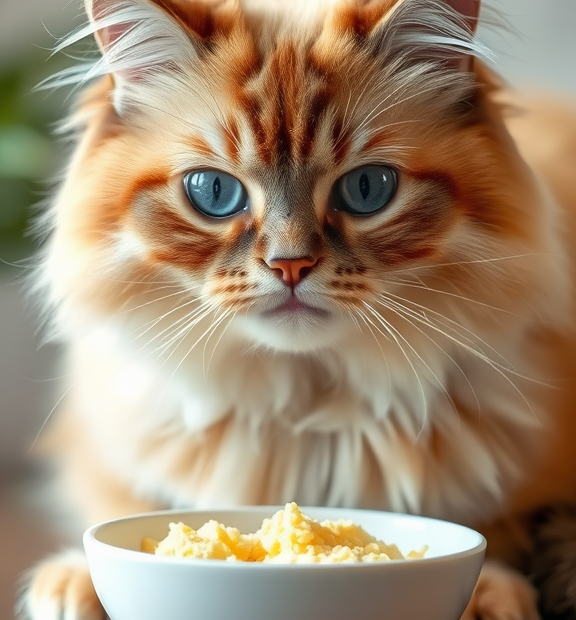
Effective Techniques to Help Your Picky Ragdoll Cat Develop Better Eating Habits
Understanding Your Ragdoll Cat’s Eating Preferences
Ragdoll cats are known for their gentle temperament and affectionate nature, but they can often be quite picky when it comes to their food. Understanding why your Ragdoll may be selective is the first step toward helping them develop better eating habits. Cats, including Ragdolls, are creatures of habit, and preferences for texture, flavor, or even the presentation of food can influence their willingness to eat.
Several factors can contribute to picky eating:
- Past negative experiences with certain foods
- Sudden changes in diet or feeding routine
- Health issues like dental pain or digestive discomfort
- Environmental stress or distractions during feeding times
Addressing these root causes will make it easier for you to encourage your Ragdoll cat to eat more consistently and enjoy their meals.
Establishing a Consistent Feeding Schedule
Ragdoll cats thrive on routine. Feeding your cat at the same times every day helps create a sense of security and predictability, which can reduce fussiness. Avoid leaving food out all day; instead, serve measured portions at scheduled intervals, such as morning and evening.
This technique can gently encourage your Ragdoll to eat when food is offered because they learn that meals won’t be available anytime they want. Using timed meals also prevents overeating and promotes better digestion.
Choosing the Right Food for Your Ragdoll
Selecting high-quality, nutritious food tailored to your Ragdoll’s preferences can dramatically improve their eating habits. Ragdolls may prefer foods that are softer in texture, such as wet or pate-style canned foods. Sometimes mixing textures—like combining wet food with a small amount of dry kibble—can stimulate their interest.
Keep in mind the following when choosing food:
- Ingredients: Look for real meat or fish as the primary ingredient.
- Flavor: Experiment with flavors like chicken, salmon, or turkey to find what appeals most.
- Age-Appropriate: Ensure the food matches your cat’s life stage (kitten, adult, senior).
- Dietary Sensitivities: Avoid ingredients that may trigger allergies or intolerances.
Gradual Food Transitions to Avoid Resistance
Sudden changes in diet can cause your picky Ragdoll to refuse meals. To avoid this, introduce new foods gradually over 7 to 10 days by mixing increasing amounts of the new food with the old. This slow transition helps your cat’s palate adjust without stress.
For example, you might mix 75% old food with 25% new food for a few days, then switch to a 50/50 mix before fully transitioning. Patience during this phase is essential — rushing can backfire and reinforce picky habits.
Enhancing Mealtime Appeal Through Presentation
Sometimes, the way you present food can make a big difference for a finicky eater. Here are a few ways to make meals more attractive:
- Warm the food slightly: Warming canned food to room temperature or slightly above can enhance aroma, making it more enticing.
- Use shallow dishes: Wide, shallow bowls prevent whisker fatigue, which can discourage eating.
- Maintain a clean feeding area: Regularly wash dishes and clean the feeding spot to create a pleasant environment.
Encouraging Positive Eating Experiences
Your behavior during feeding times influences your Ragdoll’s willingness to eat better. Offer gentle encouragement instead of pressure. Avoid scolding if your cat doesn’t eat immediately, and consider rewarding small eating successes with affection or playtime.
Interactive feeding toys or puzzle feeders can also provide mental stimulation and make meals more engaging. This approach turns eating into a fun activity rather than a chore, helping your Ragdoll build positive associations with mealtime.
Monitoring Health and Seeking Veterinary Advice
If your Ragdoll’s picky eating persists despite your efforts, it’s important to rule out underlying health issues. Dental problems, gastrointestinal ailments, or metabolic disorders can cause food aversions.
Schedule a veterinary checkup to examine your cat’s overall health and discuss their eating habits. Your vet may recommend specific diets or treatments to improve appetite.
Remember, early intervention is key to preventing malnutrition and ensuring your cat’s well-being.
Creating a Calm and Comfortable Feeding Environment
Stress or disruptions during mealtime can deter your Ragdoll from eating properly. Make feeding times calm by minimizing noise and activity in the feeding area. Choose a quiet corner where your cat feels safe.
Avoid introducing new pets or loud household activities during meals. Consistency and comfort improve your Ragdoll cat’s confidence in eating and help reduce selective behaviors.
Final Thoughts on Supporting Your Ragdoll’s Eating Habits
Helping your picky Ragdoll cat develop better eating habits takes time, patience, and attention to their unique preferences. By creating a routine, choosing appealing foods, presenting meals thoughtfully, and fostering a stress-free environment, you encourage healthier eating patterns.
Keep your cat’s health monitored and consult your veterinarian when needed. With dedication and care, your Ragdoll will enjoy meals more and maintain optimal nutrition for a happy, healthy life.
Understanding the Dietary Needs and Preferences of Ragdoll Cats to Promote Healthier Eating Choices
Recognizing Essential Nutrients for Ragdoll Cats
Ragdoll cats have specific dietary requirements that support their unique physiology and energy needs. As a breed known for its gentle demeanor and plush, semi-long fur, Ragdolls benefit from a diet rich in high-quality proteins and adequate fats. Protein supplies the amino acids necessary for maintaining healthy muscles and organs, while fats promote a shiny coat and ensure proper brain function. Including taurine, an essential amino acid found in animal muscles, is critical since cats cannot produce enough on their own.
In addition to proteins and fats, moderate carbohydrates and essential vitamins like A, D, and E contribute to overall well-being. Minerals such as calcium and phosphorus are also important for bone health, especially because Ragdolls tend to grow into large cats. Feeding a balanced diet that caters to these needs supports healthier eating patterns, making it easier for your feline friend to enjoy meals and stay satisfied.
Understanding Ragdolls’ Taste and Texture Preferences
Many Ragdoll owners notice their cats exhibiting distinct preferences when it comes to flavors and textures. Unlike some other breeds, Ragdolls often prefer moist, soft foods over dry kibble. The texture of wet food can mimic natural prey more closely, encouraging better eating habits. Moreover, their sensitive palates might be more receptive to specific flavors like poultry or fish, which align with their ancestral diet.
Experimenting with different protein sources and preparation styles, such as pate, shredded, or chunks in gravy, can help you identify what your Ragdoll is most likely to enjoy. Consistently providing appealing textures and flavors encourages your cat to develop a more robust appetite and prevents them from becoming overly picky.
Tips to Support Healthier Eating Choices
- Establish a Feeding Routine: Ragdolls thrive on predictability. Feeding your cat at the same times each day helps regulate their hunger and encourages better meal acceptance.
- Offer Balanced Portions: Portion control prevents overeating and maintains healthy weight. Using measured servings tailored to your cat’s age, weight, and activity level supports metabolism and prevents fatigue associated with poor diet.
- Use High-Quality Cat Food: Select premium cat foods with clearly labeled ingredients. Avoid fillers or artificial additives which might turn your cat away from their meals.
- Introduce Variety Carefully: Slowly incorporate new food options to expand your cat’s palate without causing digestive upset. This tactic can prevent boredom and foster a willingness to try different foods over time.
- Encourage Hydration: Wet foods contribute to hydration, which is essential for urinary tract health. You can also add small amounts of water or broth to dry food to make it more appealing and moist.
Addressing Common Feeding Challenges
Some Ragdolls are naturally cautious or selective when eating, leading to challenges for their owners. These cats may refuse unfamiliar brands, flavors, or even textures. To combat this, patience and persistence are key. Avoid sudden diet changes and instead introduce new foods gradually mixed with the current favorite to improve acceptance.
Another helpful strategy is to create a quiet, comfortable feeding environment. Loud noises or busy areas can stress your cat and reduce their willingness to eat. Placing the food bowl in a calm spot allows your Ragdoll to focus on eating without distractions.
Considering Unique Health Factors
Because Ragdolls are predisposed to certain health conditions, such as hypertrophic cardiomyopathy (HCM) and urinary tract problems, their diet plays a crucial role in proactive care. Feeding low-magnesium, high-moisture diets can lessen the risk of urinary crystals and stones. Also, monitoring for food allergies or sensitivities can help you adjust choices to avoid digestive upset and maintain stable appetite levels.
Consulting with a veterinarian who understands Ragdoll dietary needs ensures you select the best nutritional plan fitted to your cat’s lifestyle and health profile. Personalized feeding advice can prevent nutritional gaps and encourage your cat to develop healthier, more consistent eating habits.
Maintaining Consistency for Long-Term Success
Helping your Ragdoll cat develop better eating habits doesn’t happen overnight. Consistency in feeding times, food quality, and patience when introducing new items contribute to a positive routine. Over time, your cat will associate mealtime with comfort and satisfaction, establishing a healthier relationship with food.
Always observe changes in appetite or eating behaviors as these can signal underlying health concerns. Early detection and appropriate dietary adjustments ensure your Ragdoll remains vibrant, happy, and well-nourished throughout their life.
Conclusion
Helping your picky Ragdoll cat develop better eating habits involves patience and a clear understanding of their unique dietary needs and preferences. By using effective techniques, such as offering a variety of textures and flavors, establishing a consistent feeding schedule, and creating a calm mealtime environment, you can encourage your furry friend to embrace healthier eating choices. Remember, Ragdoll cats thrive on diets rich in high-quality protein and balanced nutrients that match their natural preferences.
Recognizing the subtle cues your Ragdoll gives about their likes and dislikes allows you to tailor meals that appeal to their taste buds while supporting overall health. Gradual changes to their diet, combined with positive reinforcement, make it easier for your cat to accept new foods. Always consult with your veterinarian to ensure your Ragdoll’s meals meet their nutritional requirements and address any underlying health concerns.
By focusing on these strategies and maintaining consistency, you can turn mealtime into a positive experience, helping your Ragdoll cat enjoy their food and stay vibrant and healthy. Your dedication to understanding and catering to your cat’s dietary needs will pay off in their improved eating habits and overall well-being.