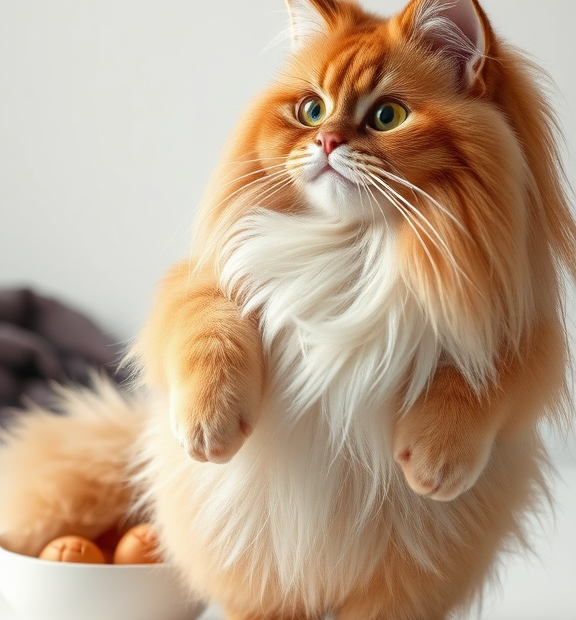
Is Your Ragdoll Overweight? Recognizing Signs and Understanding Causes
Identifying If Your Ragdoll Cat Is Carrying Extra Weight
Ragdolls are known for their plush coats and gentle personalities, but their laid-back nature sometimes makes them prone to weight gain. If you’re concerned about your Ragdoll’s health, recognizing the signs of overweight is the first step to ensuring their well-being.
When trying to determine if your Ragdoll is overweight, start by looking and feeling their body. A healthy Ragdoll should have a visible waistline when viewed from above and a slight tummy tuck when seen from the side. You should be able to easily feel their ribs without applying too much pressure.
Common signs that suggest your Ragdoll might be overweight include:
- Rounder body shape: The body appears wider and more oval rather than having a defined waist.
- Difficulty grooming: Extra weight can make it harder for your cat to groom itself properly, causing patches of matted fur or dandruff.
- Reduced mobility: An overweight Ragdoll may be less playful or show reluctance to jump or climb, limiting their usual activity.
- Visible fat pads: Excess fat deposits, especially around the abdomen and base of the tail, become noticeable.
- Heavy breathing: Overweight cats often exhibit more labored or frequent breathing, particularly after activity.
If you’re unsure, you can compare your cat’s body to standard Ragdoll weight charts or ask your veterinarian to assess your pet’s body condition score (BCS). This score helps accurately determine if your cat falls into a healthy, overweight, or obese category.
Common Causes That Lead to Weight Gain in Ragdoll Cats
Understanding why your Ragdoll might be gaining excess weight is essential in addressing the problem effectively. Several factors commonly contribute to weight gain in cats.
1. Overfeeding or High-Calorie Diets
One of the most frequent causes of obesity in Ragdolls is overfeeding. Unlike some active breeds, Ragdolls tend to be calm and less energetic, meaning they burn fewer calories. Feeding them large portions or calorie-dense treats can easily lead to weight gain if calorie intake exceeds what they need each day.
2. Lack of Physical Activity
Ragdolls are naturally gentle and enjoy lounging more than running or hunting. If your cat spends most of the day resting and little time playing, it can reduce the calories burned and contribute to extra pounds.
3. Neutering or Spaying
While spaying or neutering is necessary for health and population control, it can affect metabolism, lowering your cat’s energy needs. Without adjusting their diet and activity accordingly, this change may cause weight gain over time.
4. Aging and Health Conditions
As cats get older, their metabolism slows down and activity decreases naturally. Some underlying conditions like hypothyroidism or diabetes can also encourage fat storage. Regular veterinary checkups are important to rule out medical reasons for unexplained weight gain.
How Diet Plays a Role in Managing Your Ragdoll’s Weight
Choosing the right diet and feeding habits is crucial to prevent and manage overweight problems in your Ragdoll cat. Their diet should be balanced, providing adequate nutrients without excess calories.
- Portion control: Feed according to your cat’s ideal weight and activity level, not just the recommended packaging size.
- Quality cat food: Opt for high-protein and low-carbohydrate foods designed for indoor or less active cats.
- Limit treats: Treats should be given sparingly, making sure they don’t exceed 10% of the daily calorie intake.
- Scheduled feeding: Avoid free feeding to help regulate portions and calorie consumption.
Working closely with your veterinarian can help you establish a feeding routine that supports healthy weight maintenance. They may suggest weight management diets specially formulated for cats prone to obesity.
Supporting Healthy Habits Beyond Diet
Besides controlling your Ragdoll’s diet, encouraging regular activity is key. Engage your cat in play sessions using toys like feather wands or laser pointers for at least 15-30 minutes daily. This helps your cat stay fit, reduces stress, and improves overall well-being.
In addition, providing climbing structures or interactive feeders can stimulate both physical and mental activity, keeping your Ragdoll engaged and burning more calories.
By staying vigilant about your Ragdoll’s weight, understanding why weight gain occurs, and managing their diet properly, you can help your furry friend live a longer, healthier life free from the complications of obesity.
Effective Diet Management Tips to Keep Your Ragdoll Healthy and Fit
Recognizing Weight Issues in Your Ragdoll
Owning a Ragdoll cat means enjoying a gentle, affectionate companion, but it also requires staying attentive to their health, especially their weight. Because of their laid-back personality, Ragdolls tend to be less active, which can increase the risk of them becoming overweight. Signs that your Ragdoll might be carrying extra pounds include difficulty feeling their ribs beneath their fur, a thick waist when viewed from above, or a sagging belly from the side. Regularly observing these physical indicators helps you catch weight issues early before they lead to serious health problems.
Understanding Why Weight Control is Essential for Ragdolls
Maintaining a healthy weight is particularly important for Ragdolls to prevent ailments such as diabetes, arthritis, and heart disease. Their unique physiology, combined with moderate activity levels, makes them more prone to gaining excess weight if their diet isn’t carefully managed. Overweight Ragdolls often suffer reduced mobility and may lose their playful nature, impacting their overall quality of life. By managing their diet thoughtfully, you can help your Ragdoll stay lively and comfortable.
Practical Tips for Managing Your Ragdoll’s Diet
Choose the Right Cat Food
Selecting a high-quality cat food that suits your Ragdoll’s age, activity level, and health concerns is the first step. Look for products rich in protein and low in fillers like corn or artificial additives. Protein supports muscle maintenance, which is crucial even if your cat is less active. Avoid foods high in carbohydrates, as these can contribute to fat storage and weight gain.
Measure Meal Portions Carefully
Free-feeding, or leaving food out all day, is often tempting but can lead to overeating, especially for Ragdolls. Use a measuring cup or scale to portion their meals according to the recommended daily intake on their cat food packaging or as advised by your veterinarian. Splitting the daily food allowance into two or three meals helps maintain steady energy levels and prevents begging behaviors.
Limit Treats and Avoid Human Food
Treats should be given sparingly and factored into the overall calorie count of your cat’s diet. Choose low-calorie treats specifically designed for cats. Never feed your Ragdoll human food, as many household items are unhealthy or even toxic to cats. Sticking to a balanced feeding routine will help avoid unnecessary calorie intake that adds up quickly.
Encourage Hydration
Water is critical for your Ragdoll’s metabolic health, aiding digestion and helping to regulate body weight. Keep fresh water available at all times, and consider incorporating wet food into their diet if they tend to drink little. Adequate hydration supports digestion and can help your cat feel full, potentially reducing overeating.
Exercise to Support Weight Management
Even with a perfectly managed diet, physical activity is essential for keeping your Ragdoll fit. Engage your cat in daily play sessions using toys like feather wands, laser pointers, or interactive puzzle feeders. These not only encourage movement but also offer mental stimulation, which can prevent boredom-related overeating.
For Ragdolls who are less inclined to move, gradually introduce playtime routines and keep sessions short but consistent. Encouraging climbing with cat trees or scratching posts helps build muscle tone, burn calories, and stave off weight gain.
Consult Your Veterinarian Regularly
Your veterinarian plays a key role in your Ragdoll’s diet management. Regular check-ups can detect potential weight issues early. If your cat is overweight, your vet can recommend weight loss plans tailored specifically for their needs, including prescription diets or supplements.
Additionally, your vet can rule out underlying medical problems that might cause weight gain, such as hypothyroidism or hormonal imbalances. Staying proactive with veterinary guidance ensures your Ragdoll stays healthy and active for years to come.
Implementing a Feeding Schedule for Consistency
A daily feeding schedule helps your Ragdoll anticipate mealtime and develop regular eating habits—this can prevent overeating or begging behaviors. Stick to consistent times each day to offer meals, while removing any uneaten food within 20-30 minutes. This practice trains your cat’s appetite and reduces the chance of snacking throughout the day.
Summary of Best Practices for Diet Management
- Choose protein-rich, low-carb high-quality cat food appropriate for Ragdolls.
- Measure food portions to keep calorie intake controlled and avoid free-feeding.
- Limit treats to small amounts and avoid human food at all costs.
- Ensure your Ragdoll stays well-hydrated with fresh water and possibly wet food.
- Provide daily interactive play to boost activity and burn calories.
- Schedule routine veterinary visits for weight monitoring and health checks.
- Establish a consistent feeding routine to regulate your cat’s appetite.
By following these strategies, you can confidently manage your Ragdoll’s diet and help them maintain a healthy weight and joyful lifestyle. Taking an active role in their nutrition prevents obesity and related health problems, keeping your beautiful feline friend happy and thriving.
Conclusion
Keeping your Ragdoll at a healthy weight is essential for their happiness and well-being. By recognizing signs like difficulty moving, a thicker waistline, or decreased energy, you can identify if your Ragdoll is carrying extra pounds. Understanding the causes—such as overfeeding, lack of exercise, or certain health issues—helps you take the right steps toward managing their weight effectively.
When it comes to diet, portion control is key. Measure your cat’s food carefully and avoid free feeding to prevent overeating. Choose high-quality cat food with balanced nutrients designed for their age and activity level. Incorporate scheduled meal times and limit treats, focusing instead on healthy rewards that don’t add unnecessary calories.
Encouraging your Ragdoll to stay active also plays a big role. Engage them with interactive toys and play sessions to boost their metabolism and prevent boredom. Remember, small changes in their daily routine can make a huge difference over time.
By staying attentive to your Ragdoll’s weight and managing their diet thoughtfully, you give them the best chance for a long, energetic, and joyful life. Take charge now and help your feline friend maintain a fit and healthy lifestyle they deserve.