The Best Food Choices for Ragdoll Cats to Support Their Health
Understanding the Nutritional Needs of Ragdoll Cats
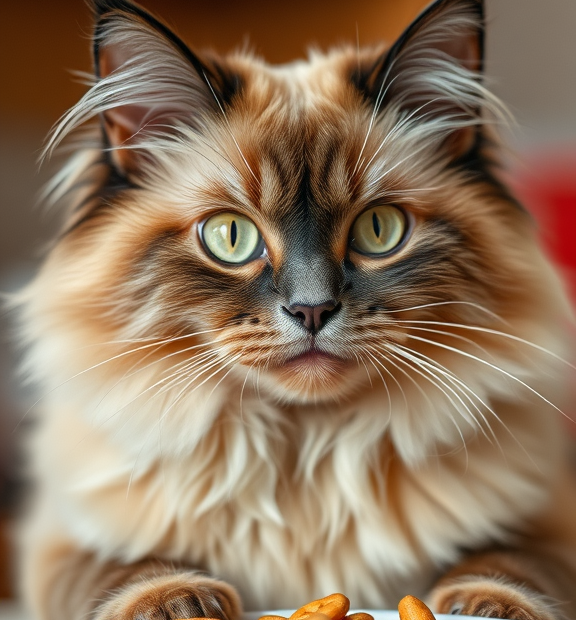
Ragdoll cats are known for their striking blue eyes, soft coats, and laid-back temperament. To keep these gentle giants in peak condition, focusing on the right food choices is essential. Unlike some other breeds, Ragdolls have unique nutritional requirements that support their muscular build, joint health, and overall well-being.
Since Ragdolls tend to be larger and less active than some other cat breeds, their diet should balance quality protein with controlled calories to avoid obesity. Feeding your Ragdoll an appropriate diet will help maintain a healthy weight, support strong muscles, and keep their coat looking lush and vibrant.
High-Quality Protein Is Key
Protein is the foundation of any cat’s diet, but it’s especially important for Ragdolls. These cats thrive on animal-based proteins, which provide essential amino acids that their bodies can’t produce on their own. Look for foods where the first ingredient is a named meat source such as chicken, turkey, or fish.
Opting for foods rich in protein helps preserve muscle mass and keeps your Ragdoll’s coat shiny. Avoid products that list vague ingredients like “meat by-products,” as these may lack the necessary nutrients.
Essential Fatty Acids for Coat and Skin Health
Ragdolls have long, silky fur that requires extra care to stay healthy. Including food rich in omega-3 and omega-6 fatty acids promotes a soft, glossy coat and prevents dry skin. Ingredients such as fish oil, flaxseed, and chicken fat are excellent sources of these beneficial fats.
These fatty acids also have anti-inflammatory properties, supporting joint health and mobility, which is important for this laid-back breed that might not get as much exercise as more active cats.
Balanced Vitamins and Minerals
Vitamins and minerals like taurine, vitamin E, zinc, and biotin are crucial for your Ragdoll’s health. Taurine, in particular, is an amino acid essential for heart function and vision, common health concerns in cats. Ensure your chosen cat food provides adequate levels of these micronutrients.
Supplements are generally unnecessary if you feed a well-balanced commercial cat food formulated for Ragdolls or similar breeds. However, always check ingredient labels to confirm the nutritional content meets your cat’s needs.
Wet Food, Dry Food, or a Mix?
Including wet food in your Ragdoll’s diet can be a great way to increase hydration because cats naturally tend to drink less water. Wet food provides moisture, which supports kidney health and prevents urinary tract issues, a common problem among cats.
Dry food can be convenient and helps with dental health by reducing plaque buildup, but it should not be the sole food source. Offering a mix of wet and dry food ensures a balanced intake of hydration and nutrition. If you prefer just one, prioritize high-quality wet food.
Recommended Ingredients for Ragdoll Food
- Real, named animal protein (chicken, turkey, salmon, etc.)
- Animal fats and oils for fatty acids
- Low carbohydrates to avoid weight gain
- Added taurine and essential vitamins like A, E, and B-complex
- Probiotics and fiber for digestive health
- No fillers such as corn, wheat, or soy
Foods and Ingredients to Avoid
When choosing the best food for your Ragdoll, it’s important to steer clear of harmful additives or ingredients that provide little nutritional value. Avoid foods containing:
- Artificial preservatives, colors, or flavors
- Excessive carbohydrates and fillers like corn or wheat
- By-products or unnamed meat meals
- Certain toxic human foods, including onions, garlic, and chocolate
By eliminating these, you reduce the risk of allergies, digestive upset, or long-term health problems in your furry friend.
Feeding Schedule and Portion Control
Due to their larger size and tendency to be less active, Ragdolls need careful portion control to prevent overweight issues. Most adult Ragdolls do well on two to three small meals per day, adjusted based on their activity level and metabolism.
Consult your veterinarian to tailor the amount of food based on your cat’s age, weight, and health condition. Avoid free feeding, or leaving food available all day, as this can encourage overeating.
Homemade Diets: When and How to Consider
If you prefer preparing homemade meals, focus on including a balance of lean meats, healthy fats, and necessary supplements such as taurine and calcium. This option requires more effort and knowledge but can be beneficial when done correctly.
Always check with a veterinary nutritionist before switching to a homemade diet to ensure all nutrient requirements are met and your Ragdoll stays healthy.
Keep an Eye on Your Ragdoll’s Health Through Diet
It’s important to monitor your Ragdoll’s weight, coat condition, and energy levels continuously. An appropriate diet will reflect positively in these areas and help your cat live a long, healthy life. If you notice sudden changes in appetite or weight loss, seek veterinary advice promptly.
Remember, the best food choices for Ragdoll cats combine high-quality proteins, balanced fats, vitamins, and minerals, with proper feeding habits. With the right care, you can enjoy your beautiful companion’s company for many years to come.
Common Dietary Mistakes to Avoid When Feeding Your Ragdoll Cat
Understanding Your Ragdoll Cat’s Unique Nutritional Needs
Ragdoll cats are known for their striking blue eyes, silky fur, and gentle temperament. However, feeding them correctly is essential to keep these beautiful cats healthy and full of energy. Many cat owners unintentionally make dietary mistakes that can affect the well-being of their Ragdolls. By recognizing and avoiding these common pitfalls, you’ll ensure your feline friend thrives for years to come.
Feeding the Right Amount: Avoid Overfeeding
One of the most frequent mistakes is overfeeding. Ragdolls tend to gain weight easily due to their calm nature and less active lifestyle. Feeding too much or giving excessive treats can lead to obesity, increasing the risks for diabetes, arthritis, or heart disease.
To keep your Ragdoll fit, measure the food portions carefully according to their weight, age, and activity level. Consult your vet for personalized feeding guidelines and avoid free feeding, which is leaving food out all day for your cat to nibble on whenever it wants.
Skipping on Protein Quality
Cats are obligate carnivores, which means high-quality animal protein is crucial for their health. Feeding a diet low in protein or relying heavily on plant-based ingredients can cause malnutrition and impact muscle maintenance. Many commercial cat foods contain fillers like corn and wheat, which don’t meet the protein demands of a Ragdoll cat.
Choose cat foods that list a high-quality protein source such as chicken, turkey, fish, or lamb as the first ingredient. Avoid products with vague terms like “meat by-product” or excessive grain content. Your Ragdoll’s coat, energy, and immune system all benefit from a protein-rich diet.
Inadequate Hydration and Wet Food Neglect
Cats naturally have a low thirst drive and are primarily designed to get water from their food. Feeding exclusively dry kibble can lead to dehydration, urinary tract issues, and kidney problems, which are more common in Ragdolls. Many owners forget to include wet or canned food in their cat’s diet.
wet food at least once a day helps increase your cat’s water intake, supporting urinary and kidney health. Additionally, always provide fresh water and change it regularly to encourage your Ragdoll to drink more.
Ignoring Special Dietary Needs and Health Conditions
Every Ragdoll cat is unique, and some may have food sensitivities or allergies. Common mistakes include not monitoring for signs such as itching, vomiting, or digestive upset when introducing new foods.
Some Ragdolls also suffer from health conditions like hypertrophic cardiomyopathy (HCM), which requires a special diet lower in sodium and fat. Avoid giving your cat over-the-counter pet supplements or human foods unless advised by your vet. Always tailor a diet that accommodates the specific health needs of your furry companion.
Feeding Human Food or Toxic Ingredients
Many cat owners want to share their meals, but feeding human food is a frequent mistake that can harm your Ragdoll. Foods like onions, garlic, chocolate, grapes, and anything with caffeine or alcohol can be toxic even in small amounts.
Additionally, fatty or spicy foods can upset your cat’s delicate stomach or lead to pancreatitis. Instead, stick to balanced commercial cat food or vet-approved homemade meals. Treats meant specifically for cats will keep your pet safe and healthy.
Not Adjusting Food as Your Ragdoll Ages
Nutritional needs change as your Ragdoll transitions from kitten to adult and later into senior years. A common oversight is feeding the same diet throughout their entire life. Kittens require food rich in calories and nutrients to support rapid growth. Adults benefit from formulas that maintain a healthy weight, and seniors need diets that support joint health and reduced calories.
Regularly review and adjust your cat’s diet with your veterinarian to provide optimal nutrition at every life stage.
Relying Solely on One Type of Food
Offering only dry kibble or only wet food may leave nutritional gaps. A balanced diet combining both types is often ideal. Kibble helps with dental health by reducing plaque buildup, while wet food boosts hydration and tends to be more palatable.
Variety also helps prevent picky eating habits and keeps mealtime exciting for your Ragdoll.
Tips to Improve Feeding Habits
- Consult your veterinarian for customized feeding plans based on your cat’s health and lifestyle.
- Read ingredient labels carefully to ensure high-quality protein and minimal fillers.
- Use portion control tools like measuring cups or a scale to avoid overfeeding.
- Introduce new foods gradually to monitor tolerance and reduce digestive upset.
- Offer fresh water in multiple bowls or a pet fountain to encourage hydration.
Feeding your Ragdoll cat correctly is essential to their overall health, happiness, and longevity. Avoiding these common dietary mistakes ensures your feline companion enjoys a nutritious, balanced diet tailored to their needs. When in doubt, turn to trusted professionals and prioritize your cat’s unique requirements for a happy and healthy life.
Conclusion
Choosing the best food for your Ragdoll cat is essential to keeping them healthy and happy. A balanced diet rich in high-quality proteins, essential fats, and necessary vitamins supports their unique needs. Feeding your Ragdoll foods made with real meat, and avoiding fillers like excessive grains or artificial additives, helps maintain their shiny coat, strong muscles, and overall well-being. You also want to consider appropriate portion sizes and moisture-rich options like wet food to keep them hydrated and prevent urinary problems.
At the same time, being aware of common dietary mistakes is crucial. Avoid overfeeding or giving too many treats, as Ragdolls can easily gain weight, leading to obesity and related health issues. Steer clear of feeding your Ragdoll harmful human foods such as onions, chocolate, or anything toxic to cats. Additionally, never rely on a single type of food; mixing wet and dry food can improve nutrition and encourage appetite. Always consult your veterinarian to tailor your cat’s diet based on their age, activity level, and health condition.
By making informed food choices and avoiding common pitfalls, you provide your Ragdoll cat the foundation to lead a vibrant life. Remember, their diet is one of the most effective ways to promote longevity, maintain energy, and keep them feeling their best every day. Your thoughtful attention to what goes into their bowl shows love and care that your feline friend will surely benefit from.