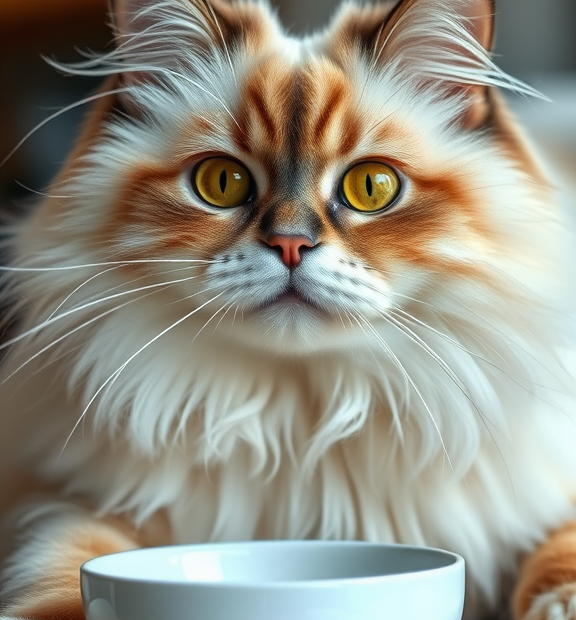
Effective Techniques to Encourage Your Ragdoll Cat to Eat More Without Stress
Encouraging your Ragdoll cat to eat more can sometimes feel like a tricky task, especially when you want to avoid causing any stress. Unlike many other cats, Ragdolls are known for their gentle nature and sometimes picky eating habits. Understanding how to support their appetite effectively requires patience, observation, and the right techniques to promote a happy mealtime. Below, you’ll find practical and stress-free strategies to help your Ragdoll enjoy their food more and maintain a healthy diet.
Understand Your Ragdoll’s Eating Preferences
Every Ragdoll cat has unique tastes and textures they prefer. Some may enjoy wet food over dry kibble, while others prefer certain flavors or consistencies. Observe what your cat naturally likes to help you choose the best options. Offering a variety of flavors such as chicken, turkey, or fish can keep mealtime interesting. Additionally, ensure the food is fresh and stored properly because stale or old food can quickly deter a picky eater.
Make Mealtime Comfortable and Inviting
Creating a calm and peaceful environment during feeding times is essential. Ragdolls thrive in relaxed settings and might refuse to eat if they’re feeling stressed or anxious. To foster a welcoming space, place their feeding dishes in a quiet area free from loud noises or foot traffic. Avoid moving their bowl around too much, as familiarity helps them feel secure. Sometimes using elevated bowls or wider dishes can assist cats that dislike whisker fatigue, promoting better eating habits.
Enhance Food Aroma and Appeal
The smell of food plays a big role in enticing your Ragdoll to eat more. Gently warming canned food to room temperature or slightly above can help release a stronger aroma without being too hot. Adding a small amount of warm water or low-sodium broth can also make the meal more enticing and easier to lap up. Some cats respond well to mixing wet food with a bit of their dry kibble to change the texture and create more variety.
Establish Consistent Feeding Routines
Ragdoll cats benefit from predictable schedules. Feeding them at the same times daily creates a routine that adds security and reduces mealtime stress. Consistency helps your cat anticipate food, often increasing their willingness to eat. Avoid leaving food out all day if your cat tends to graze; instead, offer set portions during specific meal times to encourage stronger appetite at those moments.
Encourage Activity Before Meals
Light play before mealtime can stimulate your Ragdoll’s hunger naturally. Engage them with toys or gentle games about 15 to 20 minutes before feeding. This not only encourages exercise but also triggers natural hunting instincts, which in turn can increase interest in food. Avoid overwhelming play, as over-exertion might have the opposite effect.
Consider Special Supplements or Appetite Enhancers
If your Ragdoll continues to eat less than ideal amounts, consult your veterinarian about safe appetite boosters or supplements. Some natural additives, like fish oil or certain vitamins, might improve their appetite and overall well-being. Remember not to add any supplements without vet approval, especially because Ragdolls can be sensitive to diet changes.
Avoid Stressful Feeding Habits
Forcing your Ragdoll to eat or punishing them for skipping meals will only increase anxiety and reduce their willingness to eat. Instead, practice patience and gentle encouragement. Avoid constant changes in diet or feeding environment, as this creates uncertainty. If your cat refuses to eat for more than 24 hours or shows other signs of illness, seek veterinary advice promptly rather than attempting home remedies.
Tips for Feeding Elderly or Ill Ragdolls
Older or sick Ragdolls might need extra care with feeding. Soft, easily digestible foods are ideal in these cases. Hand-feeding or feeding smaller, more frequent meals can make eating less overwhelming. Additionally, maintaining their hydration is crucial, so including wet foods or supplementary water sources is beneficial. Pay close attention to changes in eating habits to catch any health issues early.
Keep Mealtime Positive and Loving
Your attitude during feeding makes a big difference. Use a calm voice, gentle petting, and positive reinforcement when your Ragdoll eats well. Avoid showing frustration if they are slow to eat or skip meals occasionally. This positive association reduces stress and makes mealtime a pleasant experience for your cat.
Summary of Techniques to Increase Appetite Without Stress
- Observe and respect your cat’s food preferences and avoid sudden diet changes.
- Choose a quiet, comfortable feeding space away from distractions.
- Warm food slightly to enhance aroma and appeal.
- Maintain consistent, scheduled feeding times.
- Engage your Ragdoll in light play before feeding to stimulate hunger.
- Use vet-approved supplements or appetite enhancers if needed.
- Never force-feed or punish your cat for not eating.
- Adapt feeding methods for elderly or ill cats with softer, smaller meals.
- Keep a calm and positive atmosphere during meals.
Creating a supportive and stress-free feeding environment helps your Ragdoll cat develop healthy eating habits. With attentiveness and gentle encouragement, you can boost their appetite naturally while ensuring mealtime remains an enjoyable and bonding experience. Remember, patience is key—each Ragdoll is unique and may require a little time to adjust to new techniques.
Understanding Ragdoll Cats’ Eating Habits and How to Create a Stress-Free Feeding Environment
How Ragdoll Cats’ Unique Eating Patterns Affect Their Appetite
Ragdoll cats are known for their gentle, laid-back nature, which influences how they approach feeding. Unlike some more aggressive or high-energy breeds, Ragdolls display a calm demeanor around their food. This calmness can sometimes be misinterpreted as picky eating, but it’s often a reflection of their relaxed personality. Understanding their natural eating habits is the first step to ensuring they eat well without stress.
One key aspect of Ragdolls’ eating habits is their tendency to graze rather than eat large meals all at once. They prefer nibbling throughout the day over binge eating, which aligns with their slow-paced lifestyle. Recognizing this behavior will help you tailor their feeding schedule and avoid forcing large meals that may cause reluctance or stress.
The Importance of a Calm and Consistent Feeding Routine
Creating a feeding environment that minimizes stress is crucial for encouraging your Ragdoll to eat more willingly. Cats, including Ragdolls, thrive on routine and familiar surroundings. Here are a few key elements to keep in mind to foster a calm feeding routine:
- Set regular feeding times: Consistency helps your cat anticipate mealtime and feel secure.
- Quiet space: Choose a quiet, low-traffic area for feeding to prevent distractions or anxiety.
- Comfortable feeding station: Use shallow dishes to make eating physically comfortable, especially since Ragdolls have delicate whiskers that can get irritated by deep or crowded bowls.
- Limit interactions during mealtime: Too much attention or handling while they eat may stress some Ragdolls.
Providing a predictable and peaceful feeding environment allows your Ragdoll to focus on eating without feeling threatened or hurried.
Enhancing Appetite Without Adding Stress
Sometimes, Ragdolls might lose interest in their food due to boredom, mild illness, or stress from environmental changes. To encourage your cat to eat more without creating tension, consider these strategies:
Warm the food slightly: Heating wet food to just below body temperature enhances aroma and flavor, making it more enticing.
Offer a variety of textures and flavors: Ragdolls can be finicky. Rotating between pate, chunks in gravy, and shredded options keeps their palate interested.
Use feeding puzzles or interactive feeders: These not only stimulate your cat mentally but can also slow down fast eaters, making mealtime a fun activity instead of a chore.
Maintain a stress-free home environment: Minimize loud noises and sudden changes around feeding areas.
Each of these tactics helps in gently motivating your Ragdoll to eat more without introducing pressure that can cause a negative association with mealtime.
Recognizing and Addressing Common Feeding Challenges
It’s essential to keep an eye out for signs that your Ragdoll isn’t eating enough or might be experiencing discomfort around food:
- Reluctance to approach the food bowl.
- Eating less than usual over several days.
- Excessive drooling or pawing at the mouth.
- Weight loss or lethargy accompanying appetite changes.
If you notice any of these signs, a visit to the vet is warranted to rule out underlying health problems. Oral issues, digestive troubles, or even stress-related conditions can impact eating habits significantly.
Taking quick action not only ensures your cat’s health but helps prevent the feeding routine from becoming a source of stress for both you and your pet.
Feeding Your Ragdoll: Tips for Long-Term Success
Consistency and observation are your best tools. Here are some quick tips to keep in mind for helping your Ragdoll maintain healthy eating habits over the long term:
- Provide fresh water alongside food at all times to support digestion and hydration.
- Keep feeding areas clean to avoid odors or residue that might deter your cat.
- Monitor weight regularly to detect any shifts that could indicate dietary issues.
- Involve other household members in feeding so the cat experiences stable mealtime routines.
- Be patient—changes in appetite can be slow to resolve but usually improve with a calm, positive approach.
By fostering a low-stress, enjoyable feeding experience, you encourage your Ragdoll not only to eat more but to thrive overall.
Conclusion
Helping your Ragdoll cat eat more without causing stress is all about understanding their unique habits and creating a calm, inviting feeding space. By using gentle techniques like establishing a regular feeding routine, offering variety in their diet, and paying attention to meal presentation, you can encourage your furry friend to eat comfortably and happily. Remember, Ragdolls are sensitive and thrive best when they feel safe and relaxed during mealtime. Keeping their feeding area quiet, free from distractions, and at the right temperature can make a big difference in their appetite. When you tune into your cat’s preferences and needs, feeding time becomes a positive experience for both of you. These small but thoughtful changes not only boost your cat’s nutrition but also strengthen the bond you share. Ultimately, a stress-free feeding environment helps your Ragdoll maintain good health and a joyful spirit, making mealtimes something to look forward to every day.