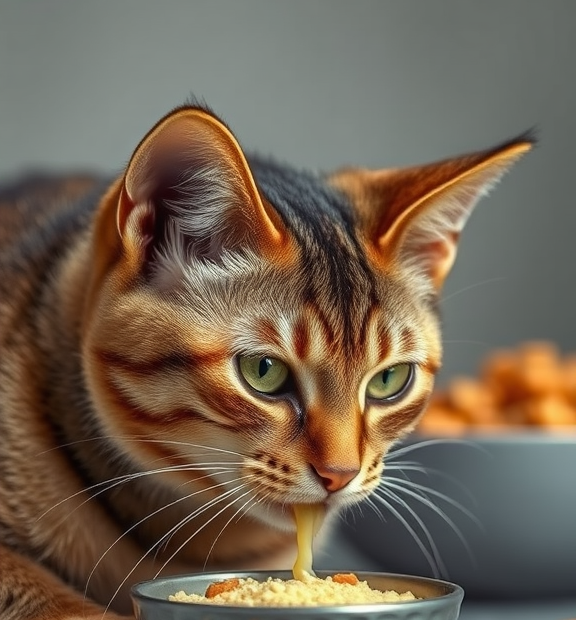
Tackling Feeding Challenges in Abyssinian Cats: Practical Tips and Nutritional Needs
Understanding the Unique Dietary Needs of Abyssinian Cats
Abyssinian cats are known for their active nature and sleek appearance, which means their diet plays a critical role in maintaining their health and energy. These cats have higher metabolic rates compared to some other breeds, so they require nutrient-rich food that supports their lively lifestyle. Providing the right balance of proteins, fats, vitamins, and minerals is essential to keep them in peak condition.
Because Abyssinians tend to be playful and energetic, they burn calories faster. A diet that is too low in calories or lacks essential nutrients can lead to lethargy, weight loss, or even poor coat quality. Therefore, you should look for food specially formulated for active cats or high-quality commercial cat food that lists meat as the first ingredient. Avoid fillers like corn and soy, which provide limited nutrition.
Common Feeding Challenges with Abyssinian Cats
Owners of Abyssinian cats often report certain feeding challenges, including picky eating habits, food allergies, and sensitivity to diet changes. These cats may suddenly refuse to eat unfamiliar foods or become bored with repetitive meals. Being smart, curious, and somewhat independent, Abyssinians can develop strong preferences making mealtime tricky at times.
Food allergies or intolerances also pop up frequently, showing symptoms such as itching, digestive upset, or hair loss. Identifying the allergen—often certain proteins or grains—can be tough but necessary for managing these issues.
Sudden changes in diet might cause stress or refusal to eat. Abyssinians thrive on routine, so introducing new foods gradually is key to avoiding upset stomachs or feeding aversion.
Strategies to Encourage Healthy Eating Habits
1. Gradual Dietary Changes
When switching foods, always mix the new diet with the old one over 7 to 10 days. Start with a small amount of new food and gradually increase while decreasing the old food. This helps your Abyssinian’s digestive system adjust and reduces the risk of rejection.
2. Offer High-Quality Protein
Ensure the diet contains high-quality animal proteins such as chicken, turkey, or fish. These sources support muscle maintenance and overall health. You might consider wet cat food to provide additional moisture, which also appeals more to picky eaters.
3. Create a Consistent Feeding Schedule
Feed your Abyssinian at the same times daily to build routine. Consistency can reduce anxiety or confusion around mealtimes, which often leads to better eating habits.
4. Enhance Food Palatability
If your Abyssinian is reluctant to eat, warming up wet food slightly or adding a small bit of tuna juice (unsalted) can make meals more enticing. Just avoid overfeeding treats, as this might lead to obesity or nutrient imbalance.
Identifying and Managing Food Allergies
If you notice skin issues, excessive grooming, vomiting, or diarrhea after feeding, consider food allergies as a possibility. A limited ingredient diet or hypoallergenic cat food may help.
Keep a food diary documenting what your cat eats and any symptoms that arise. Consult your veterinarian to rule out other health problems and get guidance on a proper elimination diet. This tailored approach ensures your Abyssinian gets the nutrients they need without triggering allergic reactions.
Addressing Feeding Challenges with Supplements and Treats
Sometimes regular cat food does not meet all the nutritional demands of Abyssinians. You might want to introduce supplements such as omega-3 fatty acids to support coat health and joint function. Be cautious with supplements and always follow veterinary advice to avoid overdosing or adverse effects.
When using treats, opt for natural, grain-free options that complement their meals rather than replace balanced nutrition. Treats are great for positive reinforcement during training or to encourage eating when your cat feels under the weather.
Tips to Encourage Hydration Alongside Feeding
Abyssinian cats may not drink enough water, especially if fed mostly dry food. Ensure fresh water is always accessible, and consider supplementing with wet food to increase moisture intake. Proper hydration supports digestion and overall health, helping to prevent urinary and kidney issues, which are common concerns for this breed.
Monitoring Weight and Adjusting Food Portions
Keeping an eye on your Abyssinian’s weight is important since both obesity and underweight conditions can affect their health severely. Use portion control and avoid free-feeding to regulate calorie intake effectively. If unsure how much to feed, consult with your vet based on your cat’s age, weight, and activity level.
By understanding and addressing the specific feeding challenges of Abyssinian cats, you can ensure your feline friend stays healthy, happy, and energized for years to come. Remember that patience and observation are key to overcoming these hurdles and offering the best nutrition tailored to your cat’s unique needs.
Creating a Balanced Diet Plan to Support the Health and Energy of Abyssinian Cats
Understanding the Nutritional Needs of Abyssinian Cats
Abyssinian cats are known for their lively personalities and high energy levels. Maintaining their health and stamina hinges significantly on offering a diet tailored to their unique requirements. This breed, with its lean yet muscular build, requires nutrition that supports muscle maintenance, vibrant coat health, and overall vitality.
Unlike some other cats, Abyssinians have a faster metabolism, meaning their diet should be nutrient-dense to keep up with their active lifestyle. Providing a balanced mix of proteins, fats, and essential vitamins and minerals is crucial. High-quality animal protein is particularly important since Abyssinians are obligate carnivores; they depend on meat to supply vital amino acids like taurine, which is essential for heart function, vision, and reproduction.
The Role of Macronutrients in Fueling Abyssinian Cats
Proteins, fats, and carbohydrates make up the macronutrients of any feline diet. For Abyssinians, protein is the foundation. Lean meats such as chicken, turkey, and fish offer excellent sources that support muscle repair and growth.
- Proteins: Aim for a diet where animal-based protein accounts for at least 40-50% of the cat’s daily caloric intake. This helps sustain their energy and keeps their coats glossy.
- Fats: Healthy fats are vital, supplying energy and aiding in vitamin absorption. Omega-3 and Omega-6 fatty acids found in fish oils help maintain smooth fur and reduce inflammation.
- Carbohydrates: While cats don’t rely heavily on carbs, a small amount from sources like sweet potatoes or rice can provide fiber to support digestion.
Choosing the Right Feeding Approach
There are different feeding strategies, including commercial dry and wet food options or homemade diets. Each has pros and cons, but for Abyssinians, freshness and quality are key.
- High-quality Commercial Foods: Look for brands that highlight real meat as the first ingredient with limited fillers or artificial additives. Grain-free formulas can be beneficial since many Abyssinians show sensitivity to grains.
- Raw or Homemade Diets: These are popular among owners wanting full control over ingredients. Be sure to consult a veterinarian or pet nutritionist to create balanced meals that avoid nutrient deficiencies or excesses.
Vitamins and Minerals for Optimal Health
Micronutrients play an integral role in supporting immune function, bone health, and overall well-being. Key vitamins and minerals to focus on include:
- Taurine: Essential for heart and eye health; found naturally in meats.
- Vitamin E and C: Antioxidants that support skin and coat condition.
- Calcium and Phosphorus: Important for strong teeth and bones, especially for kittens and aging cats.
- Vitamin A: Supports vision and immune system strength.
Most commercial diets formulated for cats already include these nutrients, but homemade diets may require supplementation to prevent deficiencies.
Feeding Schedule and Portion Control
Abyssinian cats usually thrive when fed multiple small meals throughout the day rather than one or two large ones. This approach keeps their energy levels steady and reduces the risk of overeating. Depending on your cat’s age and activity level, feeding three to four times daily can be effective.
It’s important to measure portions carefully to maintain a healthy weight. Overfeeding can lead to obesity, which may diminish mobility and increase the risk of health issues. Monitor your cat’s body condition score regularly and adjust food quantity accordingly.
Hydration: An Often Overlooked Aspect of Diet
Water intake is just as crucial as solid nutrition for Abyssinian cats. Encourage hydration through wet food or by offering fresh water in clean bowls throughout the day. Some cats enjoy pet fountains, which can promote more frequent drinking.
Proper hydration helps support kidney function, digestion, and overall energy levels. Watch for signs of dehydration such as sunken eyes or lethargy, especially if your cat primarily eats dry food.
Addressing Common Feeding Challenges
Even with the best intentions, feeding Abyssinian cats can present certain hurdles. Common issues include picky eating, sudden changes in appetite, or food sensitivities.
- Picky Eating: If your Abyssinian refuses its food, try introducing new flavors gradually or warming wet food to enhance aroma. Sometimes, mixing a small amount of tuna or cooked chicken can entice a finicky eater.
- Digestive Sensitivities: Should your cat show signs of stomach upset, like vomiting or diarrhea, consider switching to limited ingredient diets or those formulated for sensitive digestion.
- Maintaining Consistency: Changes in diet should be made slowly over a week or more to avoid gastrointestinal distress.
Consulting Professionals for Personalized Dietary Plans
Each Abyssinian cat is unique and may require specific adjustments in their diet to cater to health conditions or lifestyle changes. Regular checkups with a veterinarian can help ensure dietary plans meet evolving needs. A pet nutritionist can also assist in creating custom meal plans, especially for cats with special requirements or allergies.
By focusing on balanced nutrition, portion control, and attentive feeding habits, you will help sustain your Abyssinian cat’s energy, promote their health, and enjoy many active years together.
Conclusion
Feeding Abyssinian cats can sometimes feel like a puzzle, but with the right approach, you can overcome common challenges and ensure your feline friend thrives. Understanding their unique nutritional needs is the first step to tackling feeding difficulties. Abyssinians are active, playful cats that require a diet rich in high-quality protein and balanced nutrients to support their energetic lifestyle. Paying close attention to their preferences and any food sensitivities helps avoid mealtime frustrations and picky eating habits.
Designing a balanced diet plan tailored specifically for your Abyssinian can make a big difference in maintaining their health and vigor. Incorporate a mix of wet and dry food options that provide essential vitamins, minerals, and amino acids. Regularly rotating flavors and textures can keep feeding time exciting for your cat while preventing boredom. Don’t forget to consult your veterinarian to customize a diet that addresses any specific health concerns or age-related changes.
By focusing on these practical tips, you help your Abyssinian cat enjoy every meal while receiving the nutrition needed to support their dynamic nature. Your commitment to understanding and meeting their feeding needs will promote a happier and healthier companion for years to come. Patience, observation, and a bit of creativity are key components in turning feeding challenges into successful daily routines.