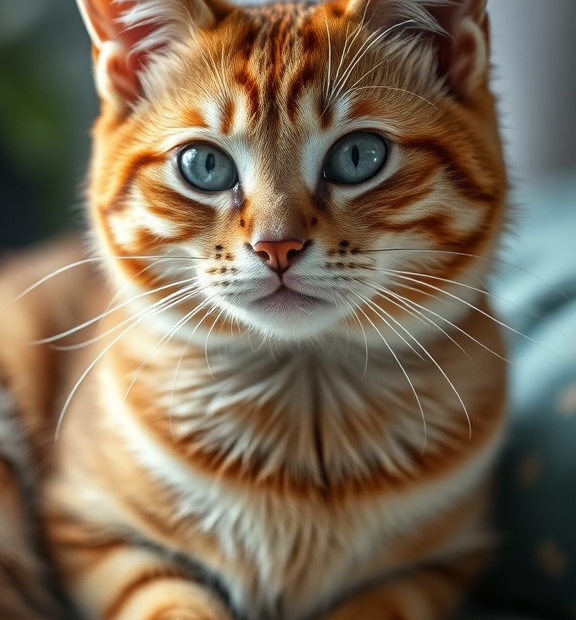
Effective Strategies for Managing Anti-Anxiety for Cats
Managing anxiety in cats can be challenging, but with the right strategies, you can help your feline friend feel more at ease. Anxiety in cats can manifest in various ways, from hiding and over-grooming to destructive behavior. It’s essential to understand your cat’s unique needs and apply effective anti-anxiety techniques tailored for them.
Start by identifying the triggers that cause your cat’s anxiety. Common culprits include loud noises, unfamiliar environments, or even changes in routine. Observing your cat’s behavior closely can help you pinpoint what stressors to address. Here are some practical strategies to manage anxiety in your cat:
Provide Safe Spaces
Cats thrive in environments where they feel safe. Create cozy hideaways that your cat can retreat to during stressful moments. You can use:
- Cardboard boxes
- Cat trees
- Caves or covered beds
Ensure these spaces are quiet, away from commotion, and filled with familiar scents to provide comfort.
Maintain a Routine
Cats are creatures of habit. Keeping a consistent schedule for feeding, playtime, and grooming can help them feel more secure. By establishing a daily routine, you provide your cat with structure, which can reduce anxiety. Stick to regular feeding times and limit significant changes that could disrupt their normal patterns.
Introduce Calming Products
There are many products available designed to help calm anxious cats. Some of these include:
- Feliway Diffusers: These release calming synthetic pheromones that mimic the natural ones cats produce.
- Calming Collars: These collars can contain ingredients that help reduce stress.
- Herbal Remedies: Natural remedies like valerian root or chamomile can promote relaxation.
Before trying any new product, it’s wise to consult with your veterinarian to ensure safety and effectiveness.
Encourage Play and Stimulation
Keeping your cat mentally and physically stimulated can help reduce anxiety levels. Engage your cat in interactive play sessions using:
- Fishing pole toys
- Laser pointers
- Interactive puzzles
Playing helps redirect your cat’s energy and reduces stress, allowing them to release pent-up emotions in a positive way.
Utilize Training Techniques
Training your cat can help instill confidence. Use positive reinforcement methods to teach your cat basic commands or tricks. Rewards can be in the form of treats or praise. Over time, this training can enhance your cat’s confidence and lessen anxiety.
Provide Environmental Enrichment
Enhancing your cat’s environment can also reduce anxiety. Consider adding:
- Vertical spaces like shelves or cat trees
- Window perches for bird-watching
- Interactive feeders to stimulate their hunting instincts
An enriched environment allows your cat to express natural behaviors, which can soothe their nerves.
Consult with a Veterinarian
If your cat’s anxiety does not improve with these strategies, it may be time to consult a veterinarian. They can assess your cat for underlying health issues that may contribute to anxiety. In some cases, a vet may recommend medications or therapy specifically designed for feline anxiety.
Kenneling a cat may also be necessary in certain situations, such as moving or traveling. It’s essential to introduce the carrier positively and gradually, using treats, toys, or comfort items to make it a safe space.
Whenever changes occur, such as a new pet or renovations, monitor your cat closely. Promptly addressing any anxiety symptoms can prevent escalation. Remember, every cat is different, so what works for one may not work for another.
By observing your cat’s behavior and implementing these strategies, you can significantly reduce their anxiety. The goal is to create a nurturing environment where your pet can feel secure and relaxed. With patience and love, you’ll lead your cat towards a more tranquil life.
Understanding Feline Anxiety: Symptoms and Solutions
Feline anxiety can be a concerning issue for cat owners. Just like humans, cats can experience stress and anxiety, which may negatively affect their behavior and overall happiness. Understanding what feline anxiety looks like, as well as effective solutions, can help you improve your cat’s well-being.
Identifying Common Symptoms of Feline Anxiety
Recognizing anxiety in your cat is crucial to providing the right support. Some common symptoms of feline anxiety include:
- Excessive meowing: Cats may vocalize more than usual when they are stressed.
- Avoidance behavior: If your cat is hiding or avoiding interaction, it may be a sign of anxiety.
- Destructive behavior: Scratch marks, knocked-over items, and torn furniture can indicate a stressed cat.
- Changes in eating habits: A decrease or increase in appetite can also suggest that your cat is feeling anxious.
- Litter box issues: If your cat starts urinating outside the litter box, this might be a stress response.
- Over-grooming: Excessive grooming or loss of fur can be a sign of anxiety.
Understanding the Causes of Feline Anxiety
There are many factors that can lead to anxiety in cats. Understanding these causes can help you address the problem effectively:
- Environmental changes: Moving to a new home or introducing new pets can be particularly stressful for cats.
- Loud noises: Thunderstorms, fireworks, and construction sounds can frighten a cat.
- Changes in routine: Cats are creatures of habit, and significant disruptions in their daily schedules can cause stress.
- Separation anxiety: Cats may become anxious when left alone for extended periods.
Practical Solutions to Alleviate Feline Anxiety
If your cat is showing signs of anxiety, there are several strategies you can implement to help ease their stress:
- Provide a safe space: Create a special area in your home where your cat can retreat. This could include a cozy bed, hiding spots, or cat trees.
- Use calming products: There are various anti-anxiety products specifically designed for cats, such as pheromone diffusers and calming collars that can help lower stress levels.
- Engage in play: Regular playtime can help distract your cat and reduce anxiety. Interactive toys or laser pointers can be exciting and engaging.
- Maintain a consistent routine: Keeping a regular schedule for feeding and playtime can help your cat feel more secure.
- Consider natural remedies: Some owners find that herbal solutions like valerian root or chamomile can be calming. Always consult your veterinarian before starting any new treatment.
- Training and socialization: Gradually expose your cat to new experiences to help reduce their anxiety. Use positive reinforcement to encourage calm behavior.
When to Seek Professional Help
Not all cases of feline anxiety can be managed at home. If your cat’s anxiety severely affects their daily life, or if their behaviors become destructive or dangerous, it might be time to consult a veterinarian. They can assess your cat’s situation and may recommend behavioral therapy or medication designed to alleviate anxiety.
Addressing feline anxiety is not only about managing behavior but also about enhancing the overall quality of life for your pet. By recognizing the symptoms and implementing effective strategies, you can significantly reduce your cat’s anxiety and create a calmer, happier environment. Always remember that a calm cat leads to a more peaceful household.
Conclusion
Managing anxiety in cats is crucial for their overall well-being and happiness. Recognizing the symptoms of feline anxiety, such as excessive meowing, hiding, or changes in appetite, is the first step toward effective solutions. By understanding the triggers of your cat’s anxiety—whether they stem from environmental changes, social interactions, or medical issues—you can better tailor your approach to help them feel secure.
Implementing effective strategies is equally important. Creating a calm environment, providing safe spaces, and incorporating relaxing activities can make a significant difference. Consider using anti-anxiety products designed for cats, such as pheromone diffusers, calming collars, or natural supplements. Consult with your veterinarian to explore other options, including behavioral therapy or medication if needed.
Ultimately, addressing anxiety in your feline friend requires patience and a personalized approach. Each cat is unique, so what works for one might not work for another. Regularly monitoring your cat’s behavior and adjusting your strategies accordingly can lead to a more relaxed and confident pet.
By prioritizing your cat’s mental health and well-being, you can foster a loving and peace-filled environment. With the right tools and knowledge, you can help them navigate their anxieties, allowing for a happier, healthier life together. Remember, the journey to managing anxiety in cats is a partnership built on love, understanding, and a commitment to their happiness.