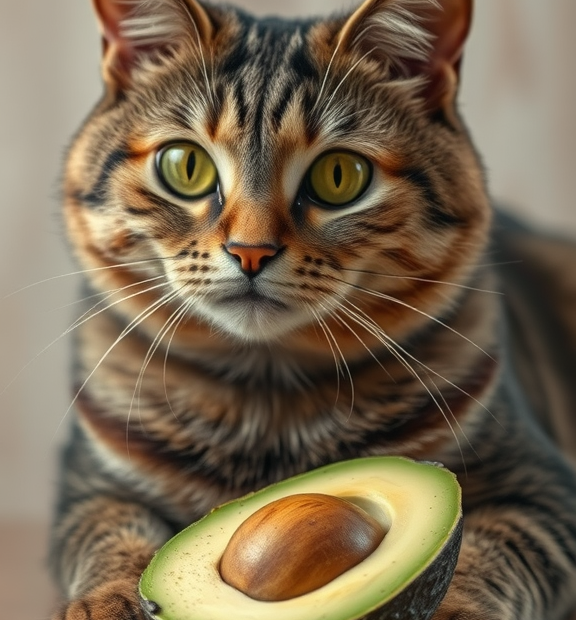
The Benefits and Risks of Using Avocado in Cat Food
When it comes to feeding your feline friends, the topic of ingredients can become a hot debate. One ingredient that has gained attention lately is avocado. As a pet owner, you may be wondering about the benefits and risks of using avocado in cat food. Let’s explore this green fruit more closely.
Understanding Avocado
Avocado is not just delicious and packed with nutrients for humans; it has started appearing in various pet food products. This creamy fruit is rich in healthy fats and contains several vitamins that could be beneficial. However, it’s important to understand the effects it may have on your cat.
Benefits of Avocado in Cat Food
Including avocado in your cat’s diet can offer some notable advantages:
- Nutritional Value: Avocado is a source of healthy monounsaturated fats. These fats can be beneficial for maintaining a shiny coat and healthy skin.
- Vitamins and Antioxidants: Avocados contain vitamins such as E, K, and C, along with antioxidants that can help boost your cat’s immune system.
- Weight Management: The healthy fats found in avocado may help your cat feel fuller longer, which can assist in weight management if fed appropriately.
- Heart Health: The presence of omega-3 fatty acids can promote heart health and support overall well-being.
Risks Associated with Avocado Consumption
While avocado has its perks, it’s crucial to be aware of certain risks:
- Persin: Avocado contains a compound called persin, which can be toxic to some animals. While cats are less sensitive to it than other pets like dogs and birds, large amounts can still cause digestive upset.
- Caloric Density: due to its high-fat content, it’s easy for avocado to add extra calories to your cat’s diet. This can be problematic, especially for less active cats prone to weight gain.
- Allergic Reactions: Some cats may exhibit allergies or sensitivities. If you notice unusual symptoms like itching, vomiting, or diarrhea, stop feeding avocado immediately.
How to Safely Include Avocado in Your Cat’s Diet
If you decide to introduce avocado into your cat’s food, moderation is key. Here are some tips to ensure it’s safe:
- Start Small: Begin with a tiny piece to see how your cat reacts. Monitor for any adverse effects.
- Hold the Pit and Skin: Only use the flesh of the avocado. The pit and skin contain higher levels of persin and can pose a choking hazard.
- Mix it Up: Consider blending a small amount of avocado with other cat-safe ingredients in homemade cat food to balance the flavor.
Choosing the Right Avocado Products
Not all avocado products are created equal. If you’re looking for commercially prepared cat food that contains avocado, check the ingredient list. Opt for high-quality brands that prioritize natural ingredients and minimal processing. Avoid products with added sugars or preservatives, as these can negatively impact your cat’s health.
Consult with Your Veterinarian
Before making significant changes to your cat’s diet, especially introducing a new ingredient like avocado, it’s wise to consult with your veterinarian. They can provide personalized guidance based on your cat’s health, age, and dietary needs. This step is crucial to ensure that your furry companion receives the right nutrition and stays healthy.
Avocado can offer some benefits if included thoughtfully in your cat’s diet. However, be cautious of the risks and always prioritize your pet’s health and safety. Enjoy your journey into the world of unique cat food ingredients, but always remember to do it with care!
Understanding Cat Nutrition: What Ingredients Matter Most?
Caring for your feline friend goes beyond just providing a bowl of kibble. Understanding what goes into their food is crucial for their health and happiness. When choosing cat food, consider the ingredients that matter most.
One of the primary ingredients to look for in cat food is quality protein. Cats are obligate carnivores, which means they thrive on meat. High-quality animal proteins, such as chicken, turkey, or fish, should be at the top of the ingredient list. They provide essential amino acids that your cat needs for muscle development and overall health.
Next on the list is fats, which are essential for energy and the absorption of certain vitamins. Look for good sources of fat like chicken fat or fish oil. These not only add flavor but also support skin and coat health, keeping your cat looking and feeling great.
Carbohydrates are another important component, but they should be present in moderation. Unlike dogs, cats have a limited ability to digest carbs. Choose brands that contain easily digestible carbohydrates such as sweet potatoes or brown rice. These help provide energy without overwhelming your cat’s digestive system.
Vitamins and minerals are crucial too. Essential nutrients like taurine, vitamins A and E, and several B vitamins contribute to your cat’s overall well-being. Taurine, in particular, plays a vital role in heart health and proper vision, and it’s not naturally produced by cats. Make sure the cat food you select has these nutrients included.
Furthermore, it’s beneficial to include fiber in your cat’s diet. Ingredients like pumpkin or psyllium can aid digestion and help prevent hairballs. Fiber also keeps your cat feeling full, which is particularly helpful for those who may be prone to overeating.
When assessing cat food, look out for the following:
- Real Meat: The first ingredient should be a named meat source.
- Healthy Fats: Chicken fat or fish oil are excellent sources.
- Low Carbs: Avoid foods with excessive fillers like corn or wheat.
- Adequate Fiber: Include fiber sources like pumpkin or brown rice.
- Vitamins and Minerals: Check for essential nutrients like taurine and vitamin E.
Moreover, wet food can be an excellent addition to your cat’s diet. It usually contains higher water content, which helps keep them hydrated. Many cats prefer the taste and texture of wet food, making it an enjoyable meal choice. Plus, it can be particularly helpful for cats that are prone to urinary tract issues.
Not all cats have the same dietary needs. Some may require specific diets due to health issues such as kidney disease or diabetes. If your cat has special conditions, consult your veterinarian to determine the best type of food. They can recommend specific brands or formulas tailored to your cat’s situation.
Moreover, it’s essential to keep an eye on your cat’s weight. Overfeeding can lead to obesity, which is a problem for many indoor cats. Make sure you follow feeding guidelines based on your cat’s weight and lifestyle. Adjust portions as necessary to maintain a healthy weight.
In addition to ingredients, it’s crucial to choose high-quality brands backed by good reputations. Always check for recalls and reviews. Look for brands that invest in research and quality control, as they often provide the best nutrition for your furry friend.
Always introduce new foods gradually. Sudden changes can upset your cat’s stomach. Mix the new food with their current diet over several days to make the switch easier.
Understanding cat nutrition is a vital part of being a responsible pet owner. By focusing on quality ingredients such as protein, healthy fats, and essential vitamins, you can ensure that your cat not only survives but thrives. Take the time to read labels, consult your vet, and make informed choices about your cat’s diet for a healthier, happier life.
Conclusion
As pet owners, it’s crucial to prioritize the health and well-being of our feline friends. The inclusion of avocado in cat food can present both benefits and risks. On the one hand, avocados can provide healthy fats, vitamins, and antioxidants that may boost a cat’s overall health. On the other hand, it’s important to understand that parts of the avocado, particularly the pit and skin, contain substances that can be harmful to cats. Therefore, if you opt for cat food that includes avocado, it’s essential to ensure it is specifically formulated for feline consumption and to consult your veterinarian for advice.
Understanding cat nutrition goes beyond just focusing on a single ingredient. Cats are obligate carnivores, meaning their primary dietary needs revolve around proteins and essential nutrients derived from animal sources. When examining cat food, consider important ingredients such as high-quality meats, amino acids, and necessary vitamins. These nutrients support not just energy levels but also skin and coat health and proper digestion.
While innovative ingredients like avocado can intrigue pet owners looking for premium options, it’s vital to evaluate them within the context of your cat’s entire diet. Always choose products from reputable brands that carefully balance ingredients to meet a cat’s nutritional needs. By being informed about both the benefits and hazards of various ingredients, you can make better choices that will keep your cat happy and healthy. Prioritize your furry friend’s health, and choose wisely when selecting cat food that is both nutritious and safe.