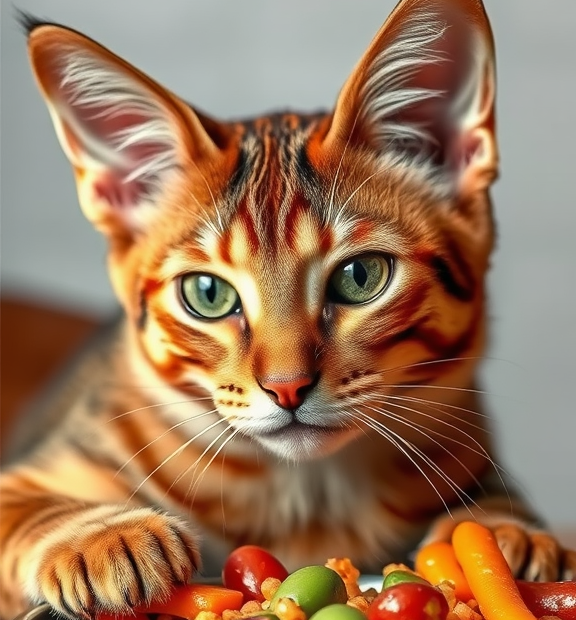
Avoid Overfeeding Your Abyssinian: Tips for Proper Portion Sizes
Caring for an Abyssinian cat means paying close attention to its diet, especially when it comes to portion sizes. Overfeeding can easily become an issue, leading to unwanted weight gain and health problems. Unlike some other breeds, Abyssinians are active and agile, so providing the right amount of food supports their energy needs without causing excess weight.
One of the biggest challenges pet owners face with Abyssinians is recognizing how much to feed. It’s not uncommon to think that a more substantial meal will keep them happier or healthier, but overfeeding can do more harm than good. Portion control is crucial to maintaining their slender, muscular build and ensuring they stay lively and healthy.
Why Proper Portioning Matters for Abyssinians
Abyssinians have a fast metabolism but also very active lifestyles. Overfeeding, especially with high-calorie cat food, can cause rapid weight gain that stresses their joints and organs. Excess weight increases the risk of diabetes, heart disease, and joint problems. Additionally, overfed Abyssinians may lose their natural agility and enthusiasm, impacting their quality of life.
By controlling portions, you provide enough nutrition without excess calories. This balance supports their energy for play and exercise, keeps their coat shiny, and maintains overall health.
How to Determine the Right Serving Size
Choosing the correct portion size is a straightforward process, but it requires attention to your individual cat’s needs. Here’s how you can determine the right amount:
- Check the cat food packaging: Most commercial cat foods provide feeding guidelines based on your pet’s weight. Start there, but remember these are general pieces of advice, not strict rules.
- Consider your Abyssinian’s weight: Use a scale to weigh your cat regularly. If your cat gains or loses too much weight, adjust portion sizes accordingly.
- Account for activity level: A very active Abyssinian will burn more calories and need a slightly larger portion. Sedentary cats require less food.
- Consult your veterinarian: Your vet can provide personalized recommendations based on your cat’s health status and lifestyle.
Tips to Avoid Overfeeding at Mealtime
Sticking to recommended portion sizes can be easier with a few practical strategies:
- Measure meals carefully: Use a measuring cup or digital scale instead of guessing. This consistency ensures there are no hidden extras.
- Feed multiple small meals: Instead of one or two large meals, divide the food into three or four smaller servings throughout the day. This mimics natural feeding habits and prevents begging behaviors.
- Use puzzle feeders or slow feeders: These feeding tools encourage slow eating and mental stimulation, which helps prevent overeating:
- Set a feeding schedule: Avoid free feeding or leaving food out all day. Scheduled meals help regulate intake and prevent nibbling between meals.
Recognizing Signs of Overfeeding
Even with the best intentions, overfeeding can sneak up on you. Here are some signs your Abyssinian might be eating too much:
- Weight gain: Noticeable increase in body fat or difficulty feeling their ribs.
- Lethargy: Less willingness to play or move compared to their usual activity level.
- Frequent begging: While cats may be vocal about hunger, constant begging despite having been fed on schedule could indicate you’re giving treats or extra food outside meals.
- Digestive issues: Vomiting or diarrhea can sometimes be tied to overeating or poor food quality.
Balancing Treats and Daily Calorie Intake
Treats are a wonderful way to bond with your Abyssinian, but they can add up quickly in calories. If treats make up a significant portion of your cat’s daily calorie intake, reduce the main meal accordingly. Opt for low-calorie treats or healthy alternatives like small pieces of cooked chicken or commercial cat treats with minimal fillers.
Monitoring Progress and Adjusting Portions
Keep a journal or use an app to track your cat’s weight, meal sizes, and any behavior changes. Overfeeding sometimes happens unintentionally through frequent handouts or overestimating meal amounts. By regularly reviewing this information, you can fine-tune meal sizes to suit your Abyssinian’s evolving needs.
Remember, every Abyssinian is unique. Factors such as age, metabolism, activity level, and health conditions influence how much food is appropriate. Taking the time to learn these details and responding accordingly will help your beloved cat thrive.
Providing proper portion sizes and avoiding overfeeding isn’t just about weight control — it’s about ensuring that your Abyssinian leads a happy, energetic, and healthy life. With a balanced diet tailored to your pet’s needs, you’ll enjoy more playful moments and a closer bond with your graceful feline friend.
Recognizing and Managing Common Signs of Overfeeding in Abyssinian Cats
Identifying the Early Warning Signs of Overfeeding in Your Abyssinian Cat
Overfeeding your Abyssinian cat can lead to several health problems, and recognizing the early signs is crucial to maintaining their well-being. Abyssinians are naturally energetic and athletic, but excessive feeding can cause them to gain unhealthy weight. One of the most obvious signs is gradual weight gain, which often begins subtly. You might notice your cat’s waistline filling out or difficulty in feeling their ribs under the fur.
Another common indicator is a decrease in activity levels. If your Abyssinian seems less playful or reluctant to jump and climb as much as usual, overfeeding could be the culprit. Excess calories can lead to lethargy, making your cat less inclined to engage in its natural behaviors.
Watch for changes in appetite and water consumption as well. Overfed Abyssinians sometimes show increased thirst without the corresponding energy expenditure, which can signal other health concerns developing from excessive food intake.
How Overfeeding Affects an Abyssinian’s Health
Feeding your Abyssinian more than they need can cause serious health issues like obesity, diabetes, and joint problems. These cats require a balanced diet tailored to their high activity levels, but too many calories disrupt this balance. Obesity places extra strain on the heart and can lead to reduced lifespan.
Joint strain is another concern, as added weight presses on hips and knees, leading to discomfort and mobility difficulties. Furthermore, an imbalanced diet with too many treats or rich foods affects digestion, causing symptoms such as vomiting or diarrhea, which are red flags for overfeeding or dietary intolerance.
Adjusting Portion Sizes for Proper Feeding
To avoid the risks associated with overfeeding, controlling portion size is key. Begin by referencing the feeding guidelines provided on your cat’s food packaging but note that these are general recommendations. You should tailor portions to your Abyssinian’s age, weight, and activity level.
A practical way to manage portions is to measure your cat’s food using a standardized cup or scale. Instead of free-feeding all day, divide the daily allowance into two or three small meals. This method prevents overeating and helps regulate their metabolism.
Tips for Controlling Your Abyssinian’s Food Intake
- Use a Measuring Cup: Always measure dry or wet food rather than guessing quantities.
- Schedule Meal Times: Feed at consistent times daily to build a routine and prevent begging for snacks.
- Limit Treats: Treats should make up no more than 10% of your cat’s daily calorie intake.
- Observe Body Condition: Check your Abyssinian’s weight weekly to identify changes early.
- Consult Your Vet: Regular check-ups can help set ideal portion sizes based on your cat’s health status.
Managing Overfeeding Through Diet and Activity
If you suspect your Abyssinian is overfed, a controlled approach focused on diet and increased activity is essential. Gradually reduce food portions rather than cutting calories abruptly, which can cause stress and digestive upset.
Introducing more playtime and interactive toys stimulates physical exertion and helps burn excess calories. Encouraging climbing with cat trees or puzzle feeders can also keep your cat mentally and physically engaged, reducing boredom-related overeating.
Monitoring Changes Post-Adjustment
After modifying your Abyssinian’s food intake, keep a close eye on their body weight and behavior. You should see gradual weight normalization and a return to regular activity levels. Also, monitor their digestive health to ensure the new feeding regimen suits them.
If your cat continues to gain weight or shows signs of illness, revisit your veterinarian for an assessment. Persistent issues could indicate metabolic conditions like thyroid problems or other underlying diseases unrelated solely to overfeeding.
Creating a Balanced Feeding Plan That Works
Every Abyssinian has individual energy and nutritional requirements. Creating a feeding plan that supports a healthy weight involves selecting high-quality food formulated for active breeds. Foods rich in protein and low in fillers help maintain lean muscle mass without excess fat.
Involving your vet in developing this plan can provide personalized feeding recommendations. Keep a feeding diary to track the amount and type of food, any treats given, and your cat’s responses. This diary helps identify patterns and make timely tweaks to their diet.
By staying attentive to your Abyssinian’s nutritional needs and serving appropriate portion sizes, you support their vitality and prevent the common pitfalls associated with overfeeding. Maintaining this balance ensures your pet remains happy, healthy, and agile well into their golden years.
Conclusion
Proper portion sizes are key to keeping your Abyssinian healthy and vibrant. Overfeeding can lead to unwanted weight gain and health problems, but with careful attention to the amount and quality of food you provide, you can prevent these issues. It’s important to observe your cat’s body condition regularly and adjust meal sizes to meet their activity level and age. Remember, a well-portioned diet supports not only your cat’s physical health but also their energy and mood.
Recognizing the signs of overfeeding is equally crucial. If you notice your Abyssinian gaining excess weight, showing less activity, or having digestive troubles, these could be red flags. Acting early by managing food intake and consulting your vet can help reverse the effects and keep your cat in top shape.
By understanding portion control and staying alert to behavioral and physical changes, you become a more attentive pet owner. This not only prolongs your Abyssinian’s life but also ensures they enjoy each day with energy and happiness. Caring for your Abyssinian’s diet with the right portions is a simple yet powerful way to show your love and commitment.