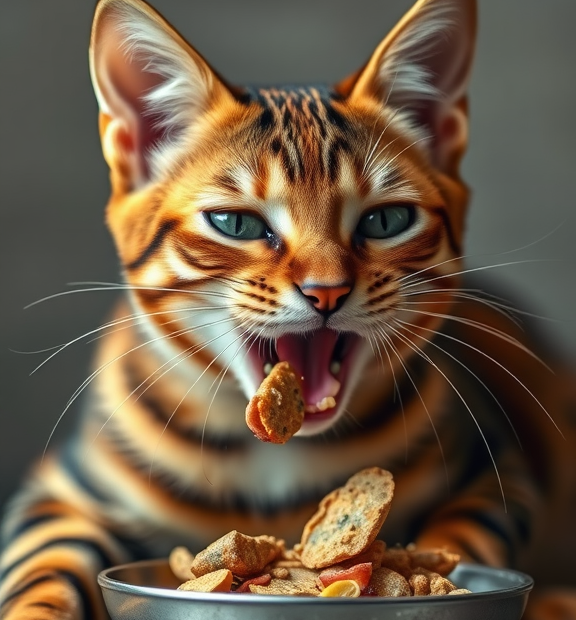
Bengal Cat Eat Problem Explained: Common Dietary Challenges and Solutions
Understanding the Eating Challenges Faced by Bengal Cats
Bengal cats are known for their striking appearance and energetic personality, but many owners notice their unique eating behavior can sometimes lead to problems. Understanding these dietary challenges helps you ensure your Bengal stays healthy and happy. Bengal cats have high energy levels and specific nutritional needs due to their active nature and muscular build. If these needs aren’t met properly, you might observe picky eating, digestion issues, or even weight concerns.
Why Do Bengal Cats Develop Eating Problems?
Several factors can affect the eating habits of Bengal cats, often creating confusion about what food truly works for them. Common causes include:
- Food Sensitivities and Allergies: Bengals can be sensitive to certain ingredients such as grains, artificial additives, or certain proteins, which may cause upset stomach or refusal to eat.
- Picky Eating Habits: Bengals are intelligent and often selective. They may refuse food if it doesn’t appeal to their taste or texture preferences, leading to inconsistent eating patterns.
- Stress and Environmental Changes: Bengal cats are sensitive to changes around them. Moving, new pets, or changes in feeding location can cause feeding disruptions.
- Health Issues: Oral pain, parasites, or digestive disorders can impact their willingness to eat and digest food properly.
Recognizing the cause behind your Bengal’s eating problem is the first step toward addressing it effectively.
Identifying the Right Food for Bengal Cats
Choosing the right diet is vital because it directly impacts your Bengal’s well-being. Here’s what food actually works best for Bengal cats:
- High Protein Content: Bengals thrive on diets rich in animal protein. Look for cat foods where real meat, poultry, or fish is the primary ingredient. High protein helps maintain their lean muscle mass and supports energy.
- Grain-Free Options: Many Bengals do better on grain-free diets due to sensitivities. Avoiding corn, wheat, and soy can reduce digestive upset and allergic reactions.
- Moisture-Rich Wet Food: Bengals often benefit from wet canned food, which provides hydration and is easier to digest. This option also mimics their natural diet, which includes fresh prey.
- Limited Ingredients: Foods with fewer, high-quality ingredients minimize the risk of allergies and help identify any offending components if problems arise.
Practical Solutions to Overcome Bengal Cat Eating Issues
Once you recognize the challenges and have chosen suitable food, applying these strategies will encourage your Bengal to eat better and maintain a balanced diet.
- Introduce New Foods Gradually: Bengals dislike sudden changes. Transition slowly over 7 to 10 days by mixing new food with their current one in increasing amounts.
- Feed Multiple Small Meals: Instead of one or two large meals, provide smaller portions multiple times daily. This helps keep their metabolism steady and often appeals to their natural feeding habits.
- Create a Calm Feeding Environment: Feed your Bengal in a quiet, safe space free from distractions or threats to reduce stress-related eating problems.
- Use Interactive Feeding Toys: Bengals are playful and intelligent, so using puzzle feeders or toys can stimulate their appetite and engage their hunting instincts.
- Consult Your Veterinarian: Persistent eating problems might require professional support. Your vet can rule out underlying medical issues and recommend specialized diets or supplements.
Monitoring Your Bengal’s Eating Habits and Health
Keeping track of your Bengal cat’s eating pattern and overall health is essential. Regularly note the quantity and frequency of meals, any food refusals, vomiting, or diarrhea episodes. Early detection of changes helps tackle problems before they worsen.
Pay attention to your cat’s weight and energy levels. If your Bengal cat shows signs of lethargy, weight loss, or a drop in appetite over several days, it’s important to seek veterinary advice without delay.
Choosing Commercial Versus Homemade Diets for Bengals
Deciding between commercial cat food or homemade meals depends on your resources and commitment. Quality commercial foods are formulated to meet all nutritional needs, but some Bengal owners prefer preparing homemade meals to control ingredients completely.
If you choose homemade diets, consult with a veterinary nutritionist to ensure balanced nutrients suitable for a Bengal’s active lifestyle. Homemade food must include proper protein, fats, vitamins, and minerals to avoid deficiencies or excesses that could lead to health problems.
Key Takeaways to Support Your Bengal Cat’s Healthy Eating
- Always provide high-protein, grain-free, and moisture-rich foods tailored to your Bengal’s preferences and needs.
- Introduce diet changes slowly to prevent rejection and digestive upset.
- Create a calm, stimulating feeding setting that respects your cat’s natural instincts.
- Monitor their eating habits regularly and consult with a vet if you spot any abnormalities.
- Consider professional guidance for homemade diets to ensure balanced nutrition.
By paying close attention to your Bengal cat’s unique eating style and offering the right foods and environment, you can resolve most dietary challenges effectively. Your thoughtful approach will help maintain their vitality, prevent health issues, and deepen the special bond you share with your Bengal cat.
Choosing the Right Food for Your Bengal Cat: What Actually Works and Why
Understanding the Unique Dietary Needs of Bengal Cats
Bengal cats are a stunning breed known for their lively energy and wild appearance. However, their diet demands more attention compared to typical domestic cats. These cats have a muscular build and high activity level, which means they burn energy quickly and need nutrient-dense food to maintain optimal health. It’s important to recognize that Bengal cats thrive on diets that cater to their carnivorous instincts, reflecting a natural eating pattern that differs somewhat from other breeds.
Unlike some cats that may tolerate a wider variety of foods, Bengals can develop eating problems if their diet isn’t aligned with their biological needs. They are particularly sensitive to fillers, artificial preservatives, and low-quality proteins commonly found in some commercial cat foods. Choosing the right food for your Bengal cat helps prevent common issues such as digestive upset, poor coat condition, and unwanted weight fluctuations.
Common Eating Problems Bengal Cats Face
Many Bengal cat owners report challenges with picky eating or digestive troubles. Some issues you might notice include:
- Refusal to eat certain commercial dry foods
- Vomiting or diarrhea after meals
- Excessive hunger or irregular eating patterns
- Allergic reactions manifesting as itching or hair loss
These problems often arise because beginners choose inappropriate diets without considering the Bengal’s specific nutritional profile. Understanding the root cause allows you to provide food that supports your cat’s health rather than compromising it.
Key Nutritional Components Bengal Cats Need
To solve eating problems in Bengal cats, it’s essential to know what their diet should include:
- High-quality Protein: Bengals require animal-based protein like chicken, turkey, or fish to support their muscle mass and energy. Protein is a primary fuel for their active lifestyle.
- Low Carbohydrates: Unlike some other pets, Bengals don’t efficiently digest carbohydrates. Foods low in grains and fillers reduce the risk of obesity and digestive issues.
- Taurine and Fatty Acids: Taurine is an amino acid crucial for heart and eye health, while omega-3 and omega-6 fatty acids promote a shiny coat and healthy skin. Make sure their diet includes these vital nutrients.
- Moisture Content: Bengals naturally get moisture from prey, so wet or raw food diets help maintain hydration, reducing urinary tract problems common in cats fed exclusively dry kibble.
Which Types of Food Work Best for Bengals?
When selecting food for your Bengal cat, consider these options that align closely with their natural feeding habits:
Raw or Freeze-Dried Diets
Raw and freeze-dried foods often mimic a cat’s natural prey diet. These options usually contain freshly sourced meat, organs, and bones with minimal processing or additives. Many Bengal owners report improved coat shine, energy levels, and digestion after switching to raw or raw-inspired freeze-dried diets. Be cautious to ensure the food is prepared safely to avoid contamination.
High-Protein Wet Foods
Wet food is a great alternative that combines rich protein sources with higher moisture. Look for brands that list meat as the first and main ingredients and avoid those that rely heavily on fillers like corn, soy, or wheat. Feeding wet food several times a day can help maintain your Bengal’s hydration and overall wellbeing.
Premium Dry Food Options
While dry food is convenient, it’s generally less ideal for Bengals. If you choose to feed dry kibble, select premium lines that focus on high protein, low carbohydrates, and no artificial ingredients. Some brands formulate specific diets for active or exotic breeds like Bengals, tailored to their metabolic needs.
Tips for Improving Your Bengal’s Eating Habits
Sometimes, feeding issues go beyond just the type of food. Here are some strategies to encourage better eating habits in your Bengal cat:
- Introduce New Foods Gradually: Sudden changes can cause digestive upset. Mix small amounts of the new food with the old and slowly increase over 7-10 days.
- Feed Multiple Small Meals: Bengals have fast metabolisms and often prefer eating several small portions rather than one large meal a day.
- Create a Calm Feeding Environment: Avoid noisy locations or stressful situations around meal times to reduce anxiety-related eating problems.
- Offer Variety: Rotate between different protein sources to provide a balanced nutrient intake and prevent boredom.
- Consult Your Veterinarian: If eating problems persist, a vet can check for medical causes like allergies or gastrointestinal issues.
Long-term Benefits of Choosing the Right Food
Investing time and care into selecting what your Bengal cat eats will pay off with strong health, a vibrant coat, and a joyful demeanor. Proper nutrition supports their immune system, helps maintain lean muscle, and promotes longevity. By understanding what food works and why, you can create a sustainable feeding plan that keeps your Bengal happy and thriving for years.
Remember, each Bengal cat is unique. Observing your cat’s response to different foods will help you tailor their diet perfectly. With the right knowledge and commitment, solving Bengal cat eating problems becomes a simple step toward enhanced feline wellness.
Conclusion
Understanding the eating challenges that Bengal cats face is key to keeping your furry friend healthy and happy. These energetic cats often experience dietary problems such as picky eating, digestive upset, or food sensitivities. By identifying the root causes—whether it’s the texture, ingredients, or feeding routine—you can address these issues effectively.
Choosing the right food for your Bengal is not just about picking a brand off the shelf. Bengals thrive on high-protein diets that mimic their natural carnivorous instincts. Foods rich in animal proteins, low in fillers, and free from artificial additives usually work best. wet food can help with hydration and entice even the pickiest eaters. Moreover, gradual changes to their diet and paying close attention to how they respond helps maintain their digestive balance and overall health.
Feeding your Bengal the proper food tailored to their unique needs reduces common eating problems and supports their vibrant energy levels and sleek physique. Remember, patience and observation are your best tools. With the right diet plan, you can transform mealtime from a struggle into a joyful bonding experience that nurtures your Bengal’s well-being for years to come. By focusing on quality ingredients and understanding your cat’s preferences, you’ll help your Bengal thrive inside and out.