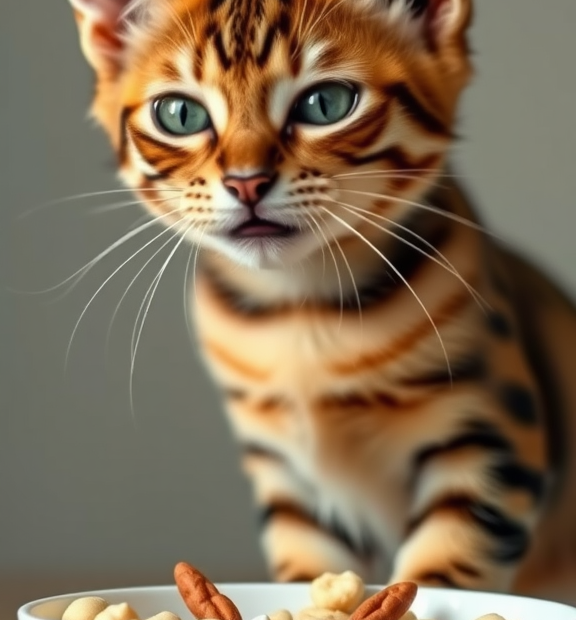
Understanding Why Your Bengal Cat Is Refusing Food and How to Respond
Why Is Your Bengal Cat Refusing Food?
Bengal cats are known for their energetic personalities and unique dietary preferences. When your Bengal suddenly refuses to eat, it can be worrying. Understanding the reasons behind their food refusal is essential to helping them regain their appetite and ensuring they stay healthy.
One common reason might be stress or environmental changes. Bengals are sensitive and thrive in a stable environment. Moving homes, new pets, or even changes in routine can cause anxiety, leading to loss of appetite. Additionally, medical issues like dental problems, infections, or gastrointestinal discomfort could make eating painful, prompting your cat to avoid food.
Sometimes the cause is as simple as a change in the food itself. Bengals are quite particular about taste and texture. Switching brands, introducing a new flavor abruptly, or offering food that has been left out too long might lead to refusal. Also, if your Bengal feels full due to eating too many treats, it could show less interest in regular meals.
Signs to Watch That Indicate a Problem
Not eating for a short period isn’t always an emergency, but persistent refusal is concerning. Watch for these signs:
- Continuous avoidance of all food for more than 24 hours.
- Weight loss or signs of dehydration like dry gums.
- Lethargy, hiding, or unusual aggression.
- Vomiting, diarrhea, or coughing.
- Drooling or pawing at the mouth, indicating dental pain.
If you notice any of these, a veterinary visit is necessary to rule out health issues.
What You Can Offer to Encourage Eating
Helping your Bengal regain appetite involves offering foods that appeal to their senses and are gentle on their digestion. Here are some options you can try:
- Warm up the food: Slightly warming canned cat food enhances aroma and flavor, making it more enticing.
- Offer variety: Try mixing wet food with a bit of cooked chicken, tuna, or shredded turkey. Ensure no seasoning or harmful additives.
- High-value treats: Freeze-dried or small pieces of special cat treats can tempt your Bengal to eat.
- Hydration boost: Add a small amount of water or low-sodium broth to wet food to encourage consumption and hydration.
- Prescription diets: If illness is a factor, vets may recommend specific foods designed to be palatable and easy to digest.
Behavioral and Environmental Tips to Improve Appetite
Easing your Bengal’s stress and encouraging a positive feeding environment can make a big difference:
- Maintain a routine: Feed your cat at the same times daily to build anticipation and comfort.
- Create a quiet feeding spot: Bengals prefer calm surroundings without loud noises or hectic activity.
- Limit treats: Too many snacks before mealtime can reduce hunger for regular meals.
- Engage in play: Regular exercise and play sessions can stimulate appetite through increased energy expenditure.
- Use scent stimulation: Gently rubbing a little food on your fingers and letting your cat lick it may trigger hunger.
When to Seek Veterinary Care
If your Bengal cat refuses food for more than 24-48 hours, immediate veterinary attention is critical. Cats are vulnerable to hepatic lipidosis, a serious liver condition that can develop rapidly in cats not eating enough. Your vet will perform examinations, may run blood tests, and could recommend supportive care such as fluid therapy or appetite stimulants.
Additionally, any signs of pain, vomiting, or behavioral changes warrant prompt evaluation. Sometimes refusal to eat can be an early warning of illness ranging from dental disease to kidney problems.
Additional Tips for Managing a Picky Bengal
Bengal cats are known to be selective eaters. Being proactive can help prevent food refusal:
- Introduce new foods gradually to avoid sudden rejection.
- Keep your cat’s feeding dish clean and fresh.
- Provide a variety of textures (pate, flaked, chunks in gravy) to keep mealtimes interesting.
- Use elevated feeders to promote comfort while eating.
Understanding your Bengal cat’s unique personality and needs is key. Paying close attention to any changes in their eating habits and responding thoughtfully can ensure your furry friend stays happy and healthy.
Best Foods and Feeding Tips to Encourage a Picky Bengal Cat to Eat
Understanding Your Bengal Cat’s Food Preferences
Bengal cats are known for their energetic personalities and unique tastes, which can make feeding a bit challenging at times. If your Bengal cat is refusing food, it’s essential to recognize that picky eating can stem from various factors. These include health issues, boredom with their current diet, or simply a preference for certain flavors and textures. By paying close attention to your cat’s eating habits and preferences, you can find the best foods to encourage them to eat and maintain a healthy diet.
Choosing the Best Foods for a Picky Bengal Cat
When a Bengal cat refuses its food, offering a variety of options tailored to their preferences is a good start. Bengals usually respond well to protein-rich diets since they are natural carnivores. Here are some food types to consider:
- High-quality wet food: Many Bengals prefer wet food because of its moist texture and stronger aroma. It feels more natural for them and can be easier to eat than dry kibble.
- Protein-rich dry kibble: Look for kibble with real meat as the first ingredient and avoid fillers like corn or soy. Some Bengals enjoy kibble for the crunch, so rotating brands may keep them interested.
- Raw food diet: Some Bengal owners find success feeding a raw food diet containing raw meat, organs, and bones. This diet mimics their ancestral eating habits and can reignite interest in meals.
- Homemade cooked meals: Preparing simple meals with boiled chicken, turkey, or fish can provide variety and entice your Bengal. Always consult with a vet to ensure the meals meet your cat’s nutritional needs.
Feeding Tips to Help Your Bengal Cat Eat Consistently
Besides choosing the right food, certain feeding strategies improve your Bengal cat’s eating behavior:
Serve Fresh Food at Room Temperature
Bengals are more likely to eat if their food is fresh and served at room temperature. Cold food straight from the fridge can be unappealing and deter their appetite. Warming up wet or cooked meals slightly enhances the aroma, making it more inviting.
Create a Calm, Quiet Feeding Environment
Stress or distractions during mealtime can cause Bengals to avoid eating. Place their food bowl in a quiet, low-traffic area where they feel safe and undisturbed. Consistent feeding times also help establish a routine, encouraging them to eat regularly.
Use Interactive Feeders to Stimulate Interest
Bengal cats are intelligent and active. Using interactive feeders or puzzle feeders can turn mealtime into a stimulating activity that triggers their hunting instincts, making them more eager to eat.
Try Mixing Wet and Dry Food
If your Bengal is hesitant to eat dry kibble alone, try mixing it with wet food. The moisture and flavor from wet food can make kibble more palatable. Gradually adjusting the ratio may help transition them to a diet you find convenient and nutritious.
Consider Health Factors That Could Affect Appetite
Before experimenting with new foods or feeding techniques, rule out health issues. Loss of appetite in Bengal cats can sometimes signal dental problems, digestive issues, or other illnesses. If your cat suddenly refuses food or shows other symptoms like lethargy, vomiting, or weight loss, consult your veterinarian promptly.
Additional Tips to Encourage Eating
- Limit treats: Excessive treats can fill them up and reduce their hunger for meals.
- Change food bowl types: Some Bengals prefer shallow or wide bowls that are gentle on their whiskers.
- Hand-feeding: Occasionally offering food by hand can build trust and encourage eating.
- Introduce new flavors slowly: Sudden changes to diet may be off-putting, so blend new food gradually over several days.
Recognizing Progress and When to Seek Help
Patience is key when dealing with a picky Bengal cat. Small improvements like finishing half their meal or showing interest at feeding time signal progress. Keep monitoring their weight and overall health to ensure they receive enough nutrition. Persistent refusal to eat deserves professional advice; a veterinarian can assess whether an underlying condition or dietary imbalance exists.
By combining nutritious, appealing foods with thoughtful feeding practices, you can encourage even the pickiest Bengal cat to enjoy their meals. Remember, understanding your cat’s unique needs and preferences makes all the difference in maintaining their health and happiness.
Conclusion
When your Bengal cat refuses food, it’s important to first understand the reasons behind their picky eating. Whether it’s due to stress, health issues, or simply a temporary change in preference, paying close attention to your cat’s behavior and environment helps you respond appropriately. If you notice prolonged refusal or other signs of illness, consulting a veterinarian is crucial to rule out any medical conditions.
To encourage a hesitant Bengal to eat, offering a variety of high-quality, nutrient-rich foods can make a big difference. Bengals often prefer fresh, protein-packed meals like wet cat food or even carefully prepared raw options tailored to feline needs. Warming the food slightly or adding a small amount of tasty broth can also entice their appetite. Remember, Bengals are active and intelligent cats who may get bored easily, so rotating their meals with different flavors and textures keeps mealtime interesting.
Being patient and consistent while observing your Bengal cat’s preferences will help build positive eating habits. By providing the right foods and creating a relaxed feeding routine, you support your cat’s health and well-being. If your Bengal cat continues to refuse food despite these efforts, seeking professional advice ensures you address any underlying problems quickly. Ultimately, knowing why your Bengal hesitates to eat and adapting your feeding approach will keep your feline friend happy, healthy, and energized.