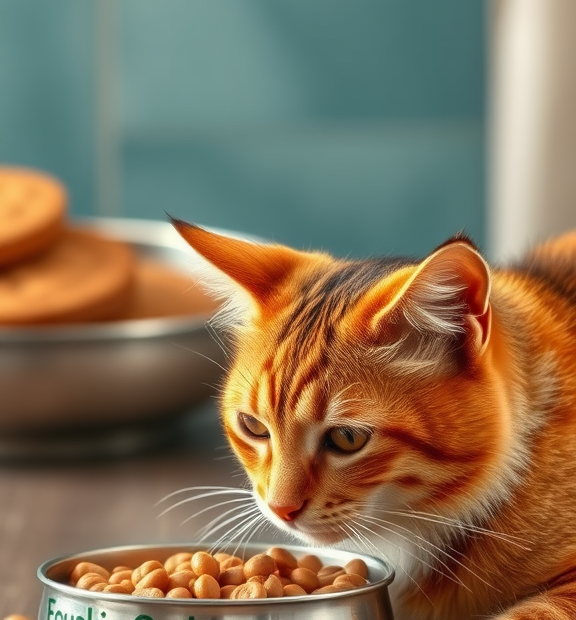
Choosing the Best Cat Food for Diarrhea: Key Ingredients to Look For
Understanding the Importance of Diet in Managing Cat Diarrhea
When your cat experiences diarrhea, it’s more than just an inconvenience; it’s a sign that their digestive system is upset. Choosing the right food plays a crucial role in helping restore balance and comfort. The best cat food for diarrhea isn’t just any bland meal—it’s one carefully formulated with ingredients that support digestion and soothe the gut.
Key Ingredients to Look for in Cat Food for Diarrhea
Picking the ideal food requires knowing what nutrients and components help ease diarrhea and promote healthy bowel movements. Here are the essential ingredients you should look for when selecting cat food designed to alleviate diarrhea:
1. Easily Digestible Proteins
Protein is fundamental in your cat’s diet, but during bouts of diarrhea, it’s important to choose proteins that are gentle on the stomach. Look for sources like:
- Chicken or turkey – lean poultry is low in fat and easy to digest.
- Fish – such as salmon or white fish, which provide high-quality protein without overloading the digestive system.
- Eggs – an excellent protein source with minimal allergens.
Avoid foods with heavy red meats or multiple protein sources that may irritate your cat’s sensitive stomach.
2. Highly Digestible Carbohydrates
Carbohydrates can be tricky for cats because their natural diet is low in carbs. However, during diarrhea, certain carbs help because they are gentle and provide energy without stressing digestion:
- Rice – white rice is often recommended due to its blandness and digestibility.
- Oatmeal – a good source of soluble fiber that can help regulate the gut.
- Pumpkin – rich in fiber and moisture, pumpkin can soothe and bulk stools.
3. Soluble and Insoluble Fiber
Fiber is a crucial element in managing diarrhea, but both types serve different purposes:
- Soluble fiber (found in ingredients like beet pulp or psyllium husk) absorbs water and slows down digestion, helping firm up loose stools.
- Insoluble fiber (like cellulose) adds bulk and encourages healthy bowel movements.
The right balance of fiber aids in normalizing stool consistency without causing further irritation.
4. Probiotics and Prebiotics
These beneficial bacteria and food for those bacteria play an important role in restoring gut health. Probiotics help replenish good bacteria that may have been lost during diarrhea, while prebiotics support their growth. Look for cat food that includes:
- Lactobacillus and Bifidobacterium strains.
- Fructooligosaccharides (FOS) or inulin as natural prebiotics.
These components can speed recovery, improve digestion, and boost your cat’s immune system.
5. Low Fat Content
Fat is important in a cat’s diet, but too much fat can worsen diarrhea by increasing intestinal motility and producing loose stools. During an episode, opt for foods with moderate to low fat content to ease the workload on your cat’s digestive tract.
6. Absence of Common Irritants and Allergens
Certain ingredients can trigger or worsen diarrhea in sensitive cats. Foods free from these components are preferable:
- Artificial colors, flavors, and preservatives – synthetic additives can irritate the gut.
- Grains like corn and wheat – some cats are allergic or intolerant to these.
- Dairy or soy products – often hard to digest for cats and may cause loose stools.
Additional Tips to Support Your Cat’s Recovery
Besides choosing the best food, a few practical steps can help with your cat’s diarrhea:
- Feed smaller, more frequent meals: This reduces stress on the digestive system and improves nutrient absorption.
- Transition gradually to new food: Sudden diet changes can cause additional upset; switch slowly over 7 to 10 days.
- Ensure plenty of fresh water: Diarrhea can lead to dehydration, so encourage your cat to drink often.
- Consult your veterinarian: If diarrhea persists longer than 24-48 hours, it’s essential to rule out underlying illnesses.
By focusing on cat foods that combine highly digestible proteins, gentle carbohydrates, balanced fiber, probiotics, and low fat, you can help your feline friend recover faster from diarrhea. Always read ingredient labels carefully and choose formulas specially designed for sensitive stomachs. Remember, providing supportive nutrition is one of the best medicines you can offer your pet during digestive distress.
How Dietary Changes Can Help Manage Your Cat’s Digestive Health
When your cat experiences digestive issues like diarrhea, making smart dietary changes is one of the most effective ways to support their gut health and comfort. Digestive problems can be stressful for both you and your feline friend. It’s important to understand how adjusting what your cat eats can ease symptoms, strengthen digestion, and promote overall well-being.
Why Food Matters in Cat Digestive Health
Your cat’s digestive system is sensitive and can react strongly to food that is hard to digest or causes irritation. Poor digestion often leads to diarrhea, which means your cat may lose essential nutrients and fluids, causing dehydration and weakness. Feeding the right kind of food plays a key role in calming the digestive tract and restoring balance.
There are a few main reasons why a change in diet can help manage diarrhea effectively:
- Reducing Irritants: Some ingredients, like certain grains or artificial additives, may trigger inflammation or allergic reactions.
- Improving Nutrient Absorption: Easily digestible foods allow nutrients to be absorbed better, helping your cat regain strength.
- Restoring Gut Flora: Foods rich in prebiotics and probiotics help rebuild healthy bacteria needed for proper digestion.
Selecting the Best Cat Food for Sensitive Stomachs
When choosing food for a cat with diarrhea, look for formulas designed to be gentle on the stomach and promote digestive health. Here’s what you should prioritize:
- Limited Ingredients: Foods with fewer ingredients reduce the risk of triggering allergies or sensitivities.
- High-Quality Protein: Select high-quality animal proteins like chicken, turkey, or fish that are easier to digest than by-products or fillers.
- Grain-Free or Low-Grain Options: Some cats are sensitive to grains; grain-free foods can help cut down irritation and inflammation.
- Prebiotics and Probiotics: Ingredients like chicory root, beet pulp, or live cultures aid in restoring a healthy gut environment.
- Moderate Fat Content: Excessive fat can worsen diarrhea, so balanced fat levels are essential.
How to Transition to a New Diet Without Causing More Digestive Upset
A sudden switch to a new cat food can sometimes worsen digestive issues. To avoid stress on your cat’s system, it’s best to introduce dietary changes gradually. Here’s a simple method to follow:
- Start Slow: Begin by mixing a small amount of the new food with your cat’s current diet—about 25% new food and 75% old.
- Increase Gradually: Over 7 to 10 days, slowly increase the proportion of the new food until you are feeding 100% new diet.
- Monitor Closely: Watch for any changes in stool consistency, energy levels, or appetite during the transition period.
Additional Dietary Considerations for Managing Diarrhea
Some specific nutritional strategies can further support your cat’s digestive health during bouts of diarrhea:
- Hydration is Key: Cats with diarrhea risk dehydration, so wet food or adding water to dry food can help maintain fluid balance.
- Fiber Balance: Adding a moderate amount of fiber, such as pumpkin or psyllium husk, can regulate bowel movements and ease diarrhea.
- Smaller, Frequent Meals: Feeding smaller portions multiple times a day reduces digestive workload and prevents irritation.
When to Consult a Veterinarian
While diet changes can significantly improve your cat’s digestive health, persistent or severe diarrhea should be evaluated by a vet. Your cat may need diagnostic tests or medication if the problem is caused by infections, parasites, or underlying illnesses. Always talk with your veterinarian before making major diet changes or starting supplements to ensure the approach fits your cat’s specific health needs.
By paying close attention to your cat’s diet and choosing the best cat food for diarrhea, you provide your furry companion with a gentle, healing approach to digestive care. Thoughtful nutritional adjustments combined with patience and care can make a noticeable difference in comfort and long-term digestive wellness.
Conclusion
Selecting the best cat food for diarrhea is a crucial step toward restoring your feline friend’s digestive health. By focusing on key ingredients like easily digestible proteins, fiber sources such as pumpkin or rice, and limited additives, you can support their sensitive stomach and promote regular bowel movements. These carefully chosen components help soothe irritation and reduce the frequency of diarrhea episodes.
Making thoughtful dietary changes plays a vital role in managing your cat’s digestive well-being. Gradually transitioning to a specialized diet rich in those gentle ingredients allows your cat’s gut to adjust without added stress. Consistency in feeding schedules and avoiding abrupt food switches also helps maintain a balanced digestive system. When combined, the right nutrients and steady dietary habits create an environment where your cat can heal and thrive.
Remember, every cat’s needs may vary, so monitoring their response to new foods is key. If diarrhea persists or worsens, consulting your veterinarian ensures that underlying issues are addressed promptly. By choosing the best cat food for diarrhea and embracing supportive dietary changes, you’re giving your pet the best chance to feel comfortable and healthy again. Your cat’s digestive health can improve significantly with the right nutrition and care, helping them enjoy each day with energy and wellness.