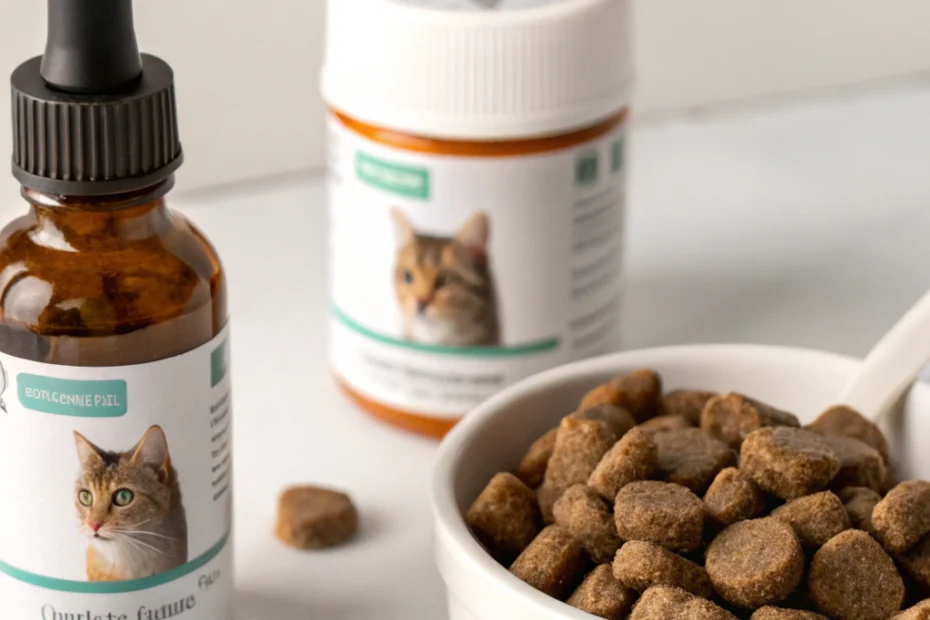
At-a-Glance
Hairballs are a common issue for many cats, especially those with long fur. While grooming is a natural behavior, excessive hair ingestion can lead to uncomfortable hairballs. Choosing the best cat food for hairballs may help manage this issue by supporting your cat’s digestive health. This guide will walk you through the essentials of selecting and using these specialized foods.
How to Choose
When selecting cat food to help with hairballs, consider several factors. First, look for formulas that are specifically labeled for hairball control. These products often contain higher fiber content, which can support your cat’s digestive system in moving hair through the gastrointestinal tract. Additionally, consider the nutritional balance of the food. Ensure it provides all necessary vitamins and minerals to maintain overall health.
Ingredients to Look For
Some ingredients are commonly used in hairball control formulas. Fiber sources like beet pulp or psyllium husk can aid digestion. Omega fatty acids from fish oil or flaxseed may also support skin and coat health, potentially reducing shedding.
Consult Your Veterinarian
Before making any changes to your cat’s diet, it’s wise to consult with your veterinarian. They can provide guidance based on your cat’s specific health needs and help you choose the most appropriate food.
Safety & Setup
Introducing new food to your cat’s diet should be done gradually. Start by mixing a small amount of the new food with your cat’s current diet, increasing the proportion over several days. Monitor your cat for any adverse reactions, such as vomiting or diarrhea, and consult your veterinarian if these occur.
Storage Tips
Proper storage of cat food is crucial to maintain its freshness and nutritional value. Keep dry food in a cool, dry place, and seal it tightly after each use. For wet food, refrigerate any unused portions and use them within a few days.
Core Pillars
Managing hairballs effectively involves more than just diet. Regular grooming is essential to reduce the amount of loose fur your cat ingests. Brushing your cat frequently can help minimize shedding and the formation of hairballs.
Hydration
Ensuring your cat stays hydrated is another key pillar. Adequate water intake can support digestion and help move hair through the digestive tract. Consider providing a water fountain to encourage your cat to drink more.
Placement & Environment Tips
The environment your cat lives in can also influence hairball formation. Keeping your home clean and free of excess dust and hair can reduce the amount your cat ingests. Regularly vacuuming and dusting can make a significant difference.
Stress Reduction
Stress can exacerbate grooming behaviors, leading to more hairballs. Create a calm and enriching environment for your cat with plenty of toys and opportunities for play and exploration.
Comparison with Alternatives
While specialized cat food for hairballs can be effective, there are other methods to consider. Regular grooming and the use of hairball remedies, such as gels or pastes, can complement dietary changes. These products are commonly used to lubricate the digestive tract, helping hair pass more easily.
Natural Remedies
Some cat owners explore natural remedies, such as adding a small amount of olive oil to their cat’s diet. However, it’s important to consult your veterinarian before trying any alternative methods.
FAQs
Q: How long does it take for hairball control food to work?
A: The time it takes for hairball control food to show results can vary. Some cats may experience improvements within a few weeks, while others may take longer. Consistency is key, and regular monitoring is important.
Q: Can all cats eat hairball control food?
A: While many cats can benefit from hairball control food, it’s not suitable for every cat. Cats with specific health conditions or dietary needs may require different formulations. Always consult your veterinarian before making dietary changes.
What to Do Next
Now that you have a better understanding of how the best cat food for hairballs can support your feline friend, consider discussing your options with your veterinarian. They can provide personalized recommendations based on your cat’s unique needs. Remember, managing hairballs is a multifaceted approach that includes diet, grooming, and environmental factors.
Disclaimer: Always consult your veterinarian for personalized advice regarding your cat’s health.