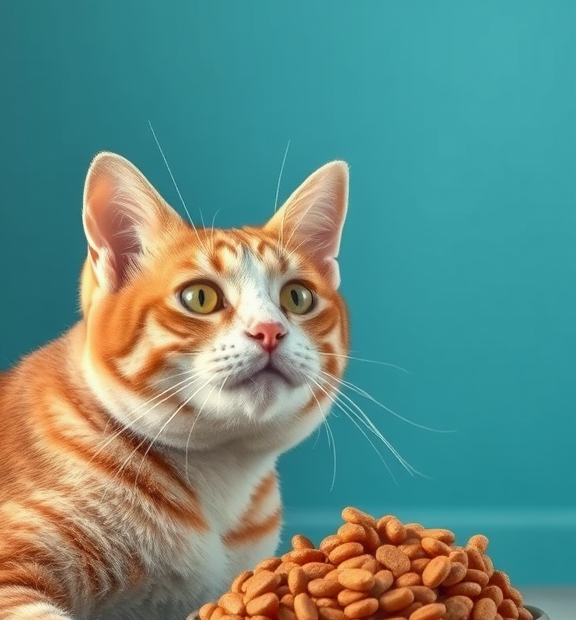
The Best Dry Cat Foods for Indoor Cats: Nutritional Needs and Top Recommendations
Indoor cats have specific dietary needs, and finding the best dry cat foods to meet these requirements is essential for their health and well-being. Unlike outdoor cats, indoor cats tend to have a more sedentary lifestyle, which can lead to weight gain and other health issues. Choosing the right dry cat food can help maintain their ideal weight while ensuring they receive necessary nutrients.
When selecting dry cat food, consider the following nutritional factors that are particularly important for indoor cats:
- Protein Content: Indoor cats need a diet rich in quality protein to support their muscle maintenance. Look for dry cat foods with real meat as the primary ingredient.
- Low Carbohydrates: Cats are obligate carnivores, meaning they thrive on animal-based proteins. Foods low in carbohydrates can help prevent obesity.
- Healthy Fats: Look for sources of healthy fats, such as omega-3 and omega-6 fatty acids, which contribute to a healthy coat and skin.
- Vitamins and Minerals: Ensure the food contains essential vitamins and minerals, such as taurine, vitamins A and E, and calcium for overall health.
- Fiber: Ingredients like beet pulp or other digestible fibers can help with digestion, which is crucial since indoor cats may have less physical activity.
Below are some of the best dry cat foods currently recommended for indoor cats, based on their nutritional profiles and positive reviews from pet owners:
- Hill’s Science Diet Adult Indoor Cat Food: This option is great for maintaining healthy weight. It has a balanced ratio of protein and fat, with chicken as the primary ingredient, and is fortified with vitamins and minerals.
- Royal Canin Indoor Adult Dry Cat Food: This formula is designed specifically for indoor cats. It includes a blend of fibers to promote digestion and elevate energy levels, helping keep your cat active.
- Purina Pro Plan Indoor Cat Food: Featuring real chicken as the first ingredient, this food provides a rich source of protein and supports healthy weight and digestion. It also has added probiotics for gut health.
- Blue Buffalo Indoor Health Cat Food: Made with deboned chicken and wholesome whole grains, this food contains a blend of antioxidants, vitamins, and minerals that help strengthen your cat’s immune system.
- Wellness CORE Grain-Free Indoor Cat Food: If you prefer a grain-free option, this dry food focuses on a high protein content from chicken and turkey, promoting muscle maintenance while being lower in calories.
It’s crucial to introduce any new diet gradually. Mixing the new food with your cat’s current food can help reduce digestive disturbances. Over a week, slowly increase the portion of the new food until it’s the primary diet.
Watch your cat’s response to the new food and consult your veterinarian if you notice any adverse reactions or if you have specific dietary concerns about your cat’s unique health conditions.
Along with diet, regular play and interaction are essential for indoor cats. Engaging your pet with toys, climbing structures, and interactive games will help ward off obesity and boredom while also enriching their environment.
Feeding your indoor cat the best dry cat food is a vital part of caring for their health. Ensure the food is appropriate for their age, weight, and health status. By choosing high-quality and nutritious dry food, you can help your indoor cat live a healthier and happier life.
Understanding the Importance of Hydration: How Dry Food Affects Indoor Cat Health
When it comes to keeping your indoor cat healthy, hydration is a critical aspect that cannot be overlooked. Many cat owners assume that their feline friends only need dry food to thrive, but understanding how dry cat food affects hydration is essential for maintaining their overall health and wellness.
Indoor cats tend to have different hydration needs compared to their outdoor counterparts. Cats are naturally predisposed to have a low thirst drive. In the wild, their diet mainly consists of moisture-rich prey. However, dry cat food largely lacks moisture, typically containing only about 10% water. This poses a challenge for indoor cats, whose primary food source may not provide adequate hydration. Here’s how dry food affects your indoor cat’s health:
1. Dehydration Risks
Regular consumption of dry cat food without adequate water intake can lead to dehydration. Symptoms of dehydration in cats can include:
- Dull coat
- Loss of appetite
- Dry gums
- Excessive thirst
- Reduced energy levels
If dehydration persists, it can lead to severe health issues such as kidney disease, urinary tract infections, or constipation. It’s crucial to monitor your cat’s water consumption and encourage them to drink more.
2. Importance of Water Intake
To ensure your indoor cat stays hydrated, offer fresh water daily. Cats may be more inclined to drink from a bowl that is cleaned regularly. Also, consider the placement of the water bowl; putting it away from the food and litter box can make it more inviting. Some cats prefer running water. Investing in a cat water fountain might encourage your cat to drink more, as moving water is often more appealing to them.
3. Wet Food
While dry food can be a convenient option for many cat owners, incorporating wet food into your cat’s diet can significantly increase their hydration level. Wet cat food contains about 75-80% moisture, providing a dual benefit of nutrition and water. Consider mixing wet food with dry food or offering it as a standalone meal. Be cautious about the total calorie intake to maintain a balanced diet for your cat.
4. Understanding Feline Nutrition
Not all dry cat foods are created equal. When selecting dry food for your indoor cat, look for options that not only focus on protein content but also include adequate moisture-boosting ingredients. A high-quality dry food should come from reputable brands that prioritize balanced nutrition. Pay attention to the label, making sure it meets AAFCO (Association of American Feed Control Officials) standards.
5. Health Monitoring
Regular veterinary check-ups are vital in monitoring your cat’s health, especially their hydration status. Your vet can recommend specific dietary changes to address any concerns, such as dehydration or urinary tract issues. Keeping an eye on your cat’s urine output can also provide insight into their hydration levels. A well-hydrated cat should urinate regularly and have light-colored urine.
6. Homemade Solutions
If you’re up for some extra work in the kitchen, making homemade cat treats can be a fun way to add moisture to your cat’s diet. You can prepare broth-based meals or freeze small pieces of wet food to create cat-approved ice cubes. These icy delights can be a refreshing treat that also helps with hydration, especially during hot weather!
Maintaining proper hydration is essential for your indoor cat’s health. You can help your feline friend by ensuring they have constant access to fresh water, incorporating wet food into their diet, and regularly monitoring their hydration status. By understanding the effects of dry cat food on your indoor cat’s health, you secure a happier, healthier life for your furry companion.
Conclusion
Choosing the best dry cat food for your indoor cat is crucial for their health and well-being. Indoor cats have unique nutritional needs that differ from their outdoor counterparts. They require a diet rich in protein to maintain muscle mass and support overall energy levels while also being mindful of calorie intake to prevent obesity. Brands that prioritize high-quality ingredients, such as real meat and wholesome grains, often stand out in offering balanced nutrition.
Hydration plays an equally vital role in maintaining your cat’s health. Since dry cat food contains minimal moisture, it’s important to provide plenty of fresh, clean water alongside their meals. This will help prevent urinary tract issues and promote optimal kidney function. wet food into your cat’s diet occasionally can also enhance hydration and add variety to their meals.
Selecting the right dry cat food isn’t just about satisfying your cat’s taste buds; it’s about supporting their long-term health. Be sure to consider the recommendations and insights presented to make an informed choice. Remember to consult your veterinarian for personalized advice that considers your indoor cat’s specific health needs and lifestyle. By prioritizing proper nutrition and hydration, you’re setting your feline friend up for a vibrant, happy life. Make thoughtful choices to contribute to their overall happiness and longevity as cherished members of your household.