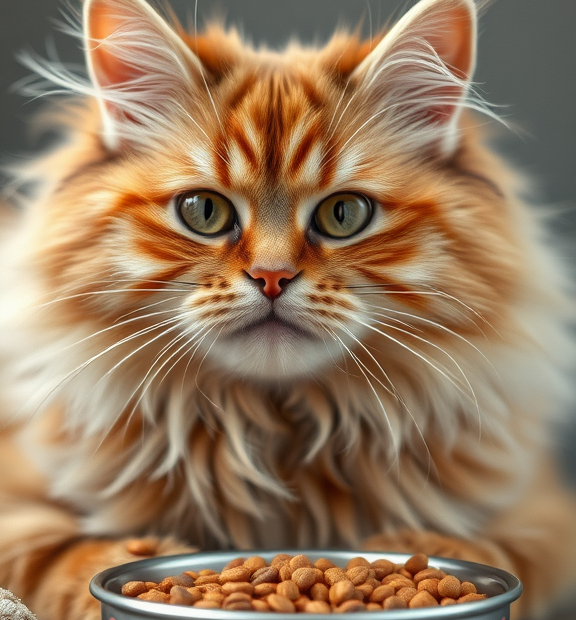
Best Hairball Control Cat Food: Understanding Ingredients for Optimal Health
If you’re a cat owner, you know that hairballs can be a significant issue. They not only represent an annoying byproduct of grooming but can also pose health risks for your furry friend. Finding the best hairball control cat food is essential for maintaining your cat’s well-being. When evaluating the right food, it’s crucial to understand the ingredients and their benefits.
Hairballs are formed when cats groom themselves and ingest loose hair. This hair can accumulate in their stomachs, leading to discomfort and even vomiting. One of the most effective ways to minimize this problem is through specialized cat food that includes ingredients designed to reduce hairball formation. Here are some key components you should look for in hairball control cat food.
Fiber Sources
Fiber plays a vital role in hairball control. It helps move hair through the digestive tract more efficiently. Good sources of fiber include:
- Beet pulp: This ingredient is a byproduct of sugar beets and is highly digestible while promoting healthy gut movement.
- Psyllium: Often found in fiber supplements, it can aid in the movement of hair through the system.
- Brown rice: A wholesome grain that offers a moderate amount of fiber and supports digestive health.
Omega Fatty Acids
Ensuring your cat’s coat is healthy can minimize shedding, thus reducing hairball issues. Omega-3 and Omega-6 fatty acids are essential for maintaining a shiny, smooth coat. They can be sourced from:
- Fish oil: Rich in both Omega-3 and Omega-6, it promotes skin health and reduces shedding.
- Flaxseed: This plant-based source is another great addition for healthy fur and skin.
Quality Protein
Cats are obligate carnivores, so their food must contain high-quality protein sources. Protein helps maintain a strong and healthy body that can manage shedding. Look for foods with:
- Poultry, like chicken or turkey
- Fish, such as salmon or tuna
- Real meat meal, which is concentrated protein that supports muscle maintenance
Moisture Content
Hydration plays a crucial role in your cat’s digestive health. Dry food can lead to dehydration, making hairballs more likely. High-moisture options, like wet food, not only nourish your cat but also ensure they stay hydrated, which can help manage hairballs.
Probiotics and Prebiotics
Probiotics are beneficial bacteria that support gut health, while prebiotics serve as food for these good bacteria. Including these in your cat’s diet can improve digestion, making it easier for them to handle swallowed hair. Look for cat food that lists probiotics or prebiotics in the ingredients.
Gradual Mixing Strategies for Acceptance
When you decide to introduce a new cat food into your kitty’s diet, it’s important to do it gradually. Sudden changes can upset their stomach. Here’s a simple strategy:
- Start with a mix of 75% old food and 25% new food for the first few days.
- Observe for any signs of discomfort, like vomiting or lethargy.
- Gradually increase the new food to 50% and old food to 50% over a week.
- Continue to adjust the ratio until your cat is eating 100% of the new hairball control food.
Choosing the best hairball control cat food requires careful consideration of the ingredients. Prioritizing fiber sources, omega fatty acids, and quality proteins will create a balanced diet that supports your cat’s health while lowering the likelihood of hairball formation. By incorporating gradual mixing strategies, you can ensure your cat smoothly transitions to their new food, leading to happier, healthier days ahead.
Don’t forget, regular grooming including brushing helps significantly in controlling hairballs. Pairing good dietary practices with grooming will create the best environment for your feline friend to thrive without the discomfort of hairballs!
Gradual Mixing Strategies: How to Transition Your Cat to New Food Effectively
Switching your cat’s food, especially to a new brand or formula, can be intimidating. Cats can be picky eaters, and sudden changes in their diet might lead to digestive upset or rejection of the new food. Gradual mixing strategies make this process smoother and helps ensure a successful transition. Let’s delve into how to effectively transition your cat to new food.
Understanding the Importance of Gradual Transition
When you introduce a new food to your cat, doing it gradually reduces the risk of gastrointestinal issues. A sudden shift can upset your cat’s stomach, resulting in vomiting or diarrhea. By slowly mixing the new food with the current one, you allow your cat’s digestive system to adjust more comfortably, making them more likely to accept the new flavor and texture.
Effective Strategies for Gradual Mixing
Following these simple steps will help you transition your cat to new food successfully:
- Start Slow: Begin by mixing a small amount of the new food with their current diet. A good starting point is 75% old food and 25% new food.
- Monitoring Behavior: Pay attention to your cat’s reaction. If they seem to enjoy it and have no digestive issues, you can gradually increase the new food.
- Adjusting Ratios: Over a week, slowly change the ratio to 50% old food and 50% new food. Continue to observe your cat’s response during this period.
- Final Steps: By the end of two weeks, you should aim for a 25% old food and 75% new food ratio, leading to full acceptance of the new diet.
Key Considerations for Successful Transition
While you’re transitioning your cat’s food, keep these important factors in mind:
- Type of New Food: Take into account the nutritional needs of your cat. For instance, if you are switching to best hairball control cat food, ensure it is appropriate for your cat’s age, weight, and health condition.
- Choose the Right Time: Avoid making the switch during stressful periods, like moving or having guests. Choose a calm time to help your cat adapt better.
- Consistency: Keep feeding times and amounts consistent to give your cat a sense of routine during this transition phase.
New Flavors
Sometimes, new foods can have different flavors and textures that a cat may not recognize or like right away. To encourage acceptance:
- Mix with Treats: Sometimes adding a small amount of a favorite treat can help make the new food more appealing.
- Warm It Up: Serving the food at room temperature or slightly warmed can enhance the aroma, making it more inviting.
- Stay Patient: Transition times can vary. Some cats adapt quickly, while others may take several weeks. Patience is essential.
When to Consult the Veterinarian
Although experiencing some resistance during the transition is normal, there are times when you may need to consult your veterinarian. If your cat continues to refuse the new food for more than a couple of weeks, exhibits signs of severe digestive upset, or displays changes in behavior, seeking professional advice is crucial. Your vet can provide guidance on nutritional needs or determine if a different food might be more suitable.
Transitioning your cat to new food doesn’t have to be a daunting task. With careful planning and gradual mixing strategies, you can help your furry friend adapt smoothly. Always prioritize monitoring their health throughout this process. Remember, the goal is not only to introduce them to a new food but to ensure they thrive on it as well.
By following these practical tips, you can make the change easier for both you and your cat. With patience and care, you can help them discover delicious new meals that meet their nutritional needs.
Conclusion
Finding the best hairball control cat food is essential for ensuring your feline friend stays healthy and comfortable. By understanding key ingredients that promote optimal health, you can make informed choices when selecting food that addresses hairball issues effectively. Look for high-quality proteins, fiber-rich components, and added moisture to enhance digestion and minimize hairballs.
Transitioning to a new food doesn’t have to be a stressful experience for you or your cat. Gradual mixing strategies play a pivotal role in promoting a smooth acceptance of the new diet. Begin by incorporating a small amount of the new food mixed with the existing one, gradually increasing the ratio over several days. This slow approach not only helps prevent digestive upset but also allows your cat to adjust to the taste and texture of the new food.
By taking these steps, you can significantly improve your cat’s well-being and manage hairballs more effectively. Remember that each cat is unique, so observe your pet’s reactions and adjust accordingly. Patience is key during this transition, and soon enough, your cat will enjoy its new food without fuss. Prioritizing both ingredients and transition strategies will lead to a healthier, happier cat, free from the discomfort of hairballs. Now you’re equipped to make the right choices for your furry companion’s diet!